South Africa is a manageable destination for food-allergic travelers — but it requires active preparation. There is no restaurant allergen disclosure law. Kitchen awareness is low outside tourist venues. Your allergy card is not a backup plan here; it is your primary safety tool.
🍖 Food & Culture
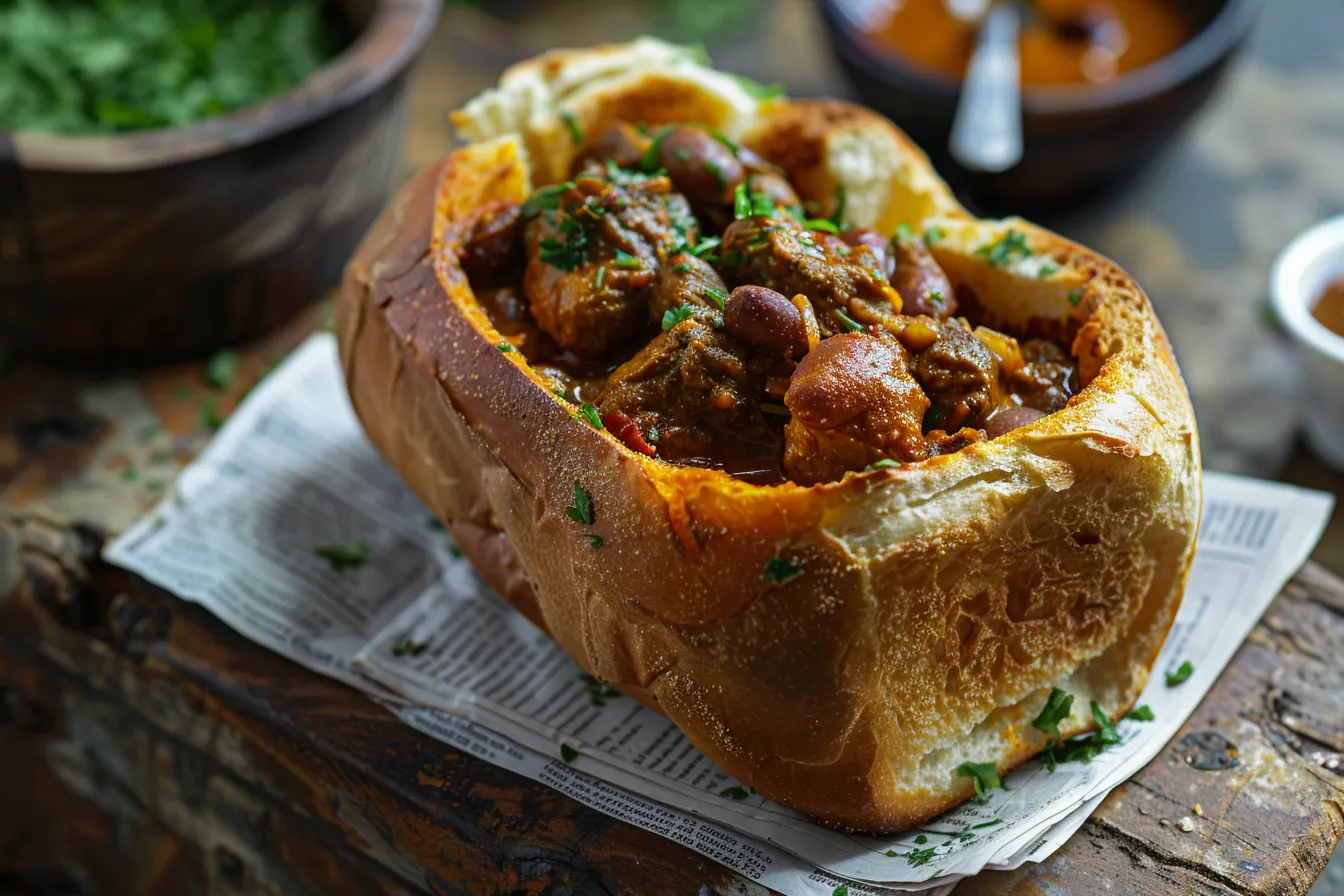
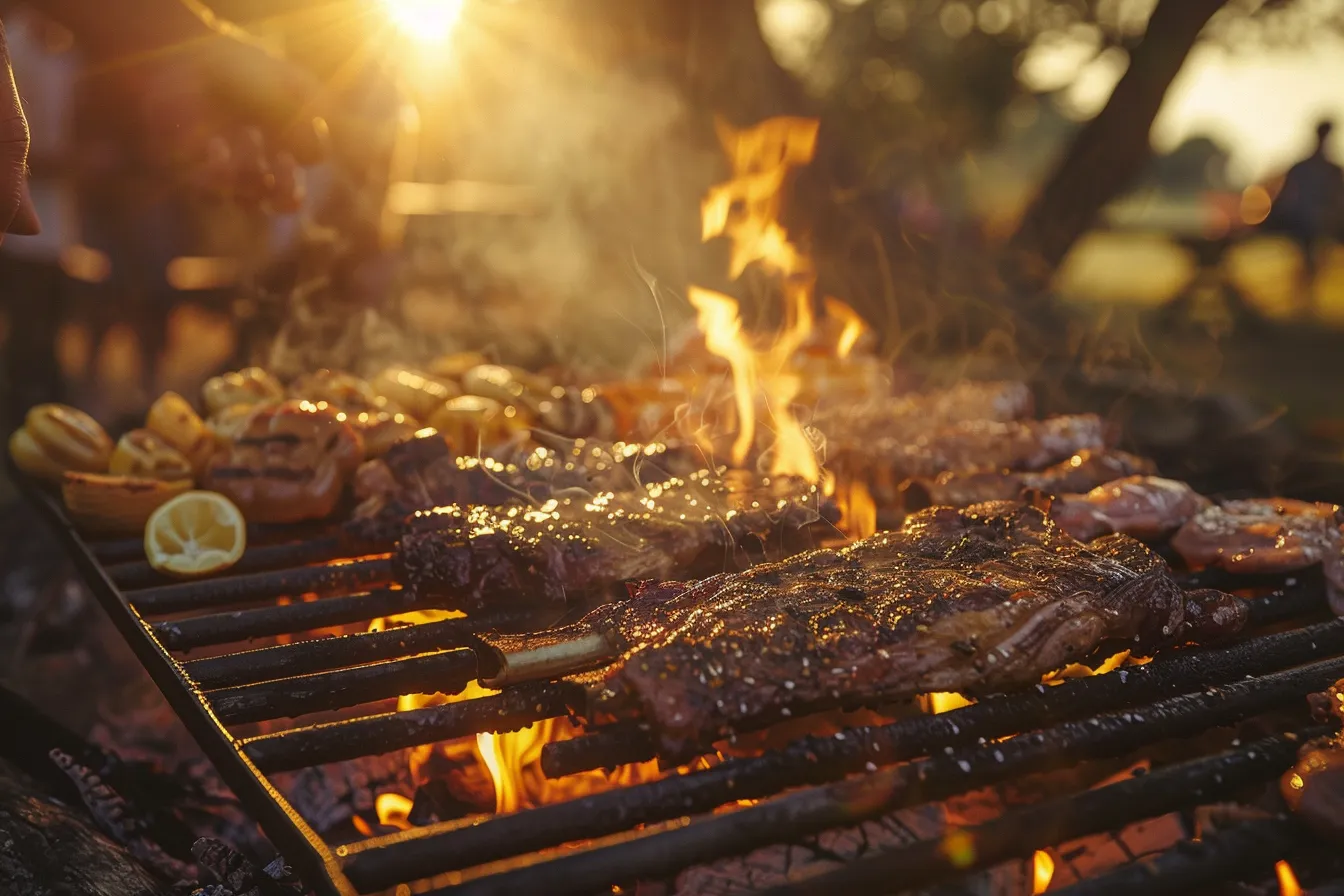
In South Africa, the braai is not a barbecue — it is a social institution. It crosses every cultural, racial, and economic line in a country that doesn’t have many of those. To be invited to a braai is to be welcomed. The Cape Malay food story in Cape Town’s Bo-Kaap is one of the most beautiful culinary histories on the continent — spice routes, colonial kitchens, and a community that kept its flavours alive. Durban’s bunny chow was born from apartheid-era food restrictions and became a city’s identity. Understanding what you’re eating here isn’t just about safety. It’s about being present in a place that takes food seriously. Ubuntu — I am because we are — extends to the table.
Core Safety Metrics — hover each for full explanation
Overall Allergy Travel Difficulty
6/10
Moderate — very doable with active preparation
South Africa is in the moderate tier. The cuisine isn’t especially allergen-dense for most travelers, but the absence of any restaurant labeling law and low kitchen awareness at informal venues means your card and verbal communication are your primary tools. Luxury hotels and tourist-corridor restaurants are substantially safer. Remote areas add medical access risk that the overall score understates.
Allergen Labeling Law Strength
5/10
Retail packaged goods only — restaurants have zero legal obligation
R146 of 2010 mandates 9 allergens on packaged retail foods: milk, egg, wheat, soy, fish, peanuts, tree nuts, shellfish, sulphites. Restaurants are completely exempt. Sesame is absent from the mandatory list entirely — a significant gap given its presence in Cape Malay cooking and imported products. Woolworths Food has the most reliable allergen labeling of any major SA retailer.2
Kitchen Allergen Awareness
4/10
Low — the Allergy Foundation SA’s own direct assessment
The Allergy Foundation of South Africa states awareness is “low, especially at restaurants and stores with deli counters.”3 This isn’t an attitude problem — South African hospitality is genuinely warm. It’s a training and regulatory gap. A kitchen that doesn’t know your allergen is in the sauce cannot avoid it. Your card bridges that gap.
Cultural Modification Flexibility
5/10
High willingness — capability varies sharply by venue type
South African service culture genuinely wants to accommodate you. The limitation is knowledge, not attitude. At a luxury hotel, kitchen modifications are handled systematically. At a local mid-range restaurant, the chef may not know what’s in a pre-prepared sauce or marinade. Score reflects the gap between willingness and execution capability.
Emergency Medical Reliability
6/10
World-class private sector — public hospitals significantly under-resourced
South Africa’s private hospital network (Netcare, Mediclinic, Life Healthcare) provides anaphylaxis care comparable to Western Europe.4 Government hospitals are under-resourced with long waits. Travel insurance with private hospital evacuation coverage is not optional. In remote areas (Kruger, rural Eastern Cape), distance to any hospital is the primary risk factor.
Difficulty in context — how South Africa compares globally6 / 10 Moderate
🇩🇰 Denmark 2🇦🇺 Australia 3🇿🇦 South Africa 6🇯🇵 Japan 7🇮🇳 India 9
🎯
On the Ground
South Africa’s legal framework offers less protection than most English-speaking destinations — no restaurant law, no mandatory disclosure, no regulatory backstop at any dining venue. What the law doesn’t provide, the formal sector increasingly does by choice: tourist-corridor restaurants and luxury hotels in Cape Town, Sandton, and the Garden Route have genuine allergy protocols. The gap between that tier and informal eating is wide. Prepare for both South Africas.
Ready to build your South Africa allergy card?
Available in EnglishGenerate card in English → Create now, ZuluGenerate card in Zulu → Create now, XhosaGenerate card in Xhosa → Create now, and AfrikaansGenerate card in Afrikaans → Create now. Phone, wallet, and letter formats with audio.
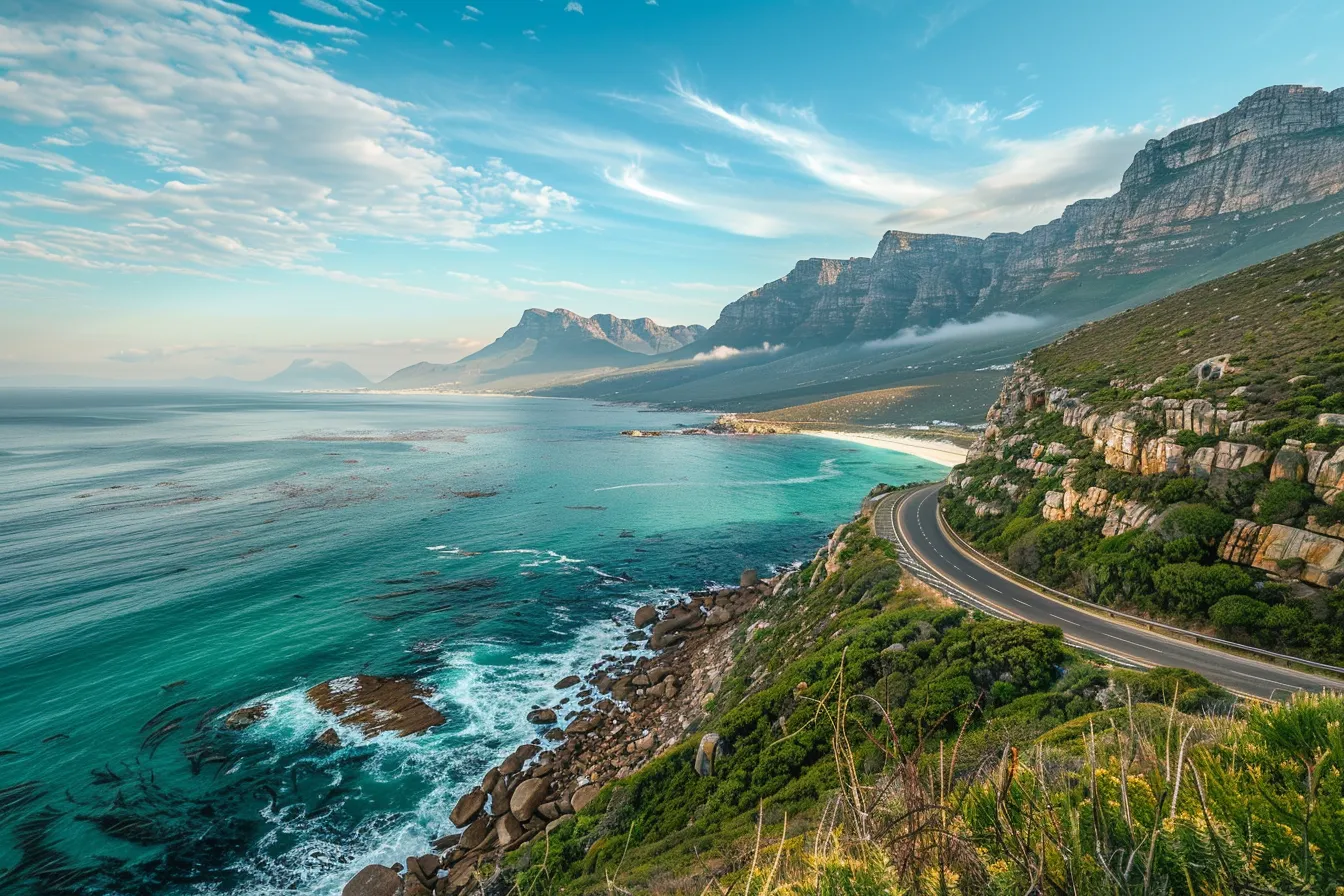
🌊 Cape Town Atlantic coast — tap to learn more🍞 Bunny chow, Durban — tap to see the allergen risk🔥 The braai — tap to understand the culture
Allergen Risk
Allergen Prevalence Index
This index scores both supply prevalence — how embedded an allergen is in South African cooking — and clinical prevalence — how common that allergy is in South Africa’s own population. Here, they largely align. Peanut and egg top both measures: peanut because groundnut is a structural ingredient in township and informal cooking traditions where it has been cultivated and consumed for generations; egg because it appears in the custard, batter, and sauce layer of many national dishes.1 Sesame scores lower on supply prevalence but carries disproportionate hidden risk because it is absent from the mandatory label list.2
Filter by your allergen to highlight relevant rows
Filter:
Allergen
Supply Prevalence
Hidden Risk
Cross-Contact
Street Food Risk
Peanut / Groundnut Amantongomane — deep dietary history in township and informal cooking; #1 food allergy nationally1
Sulphites Wine (bag-in-box house wine carries high loads), dried fruit, snoek apricot jam glaze
6
5
3
5
⚠ Sesame labeling gap: R146 of 2010 does not include sesame on the mandatory declaration list.2 Sesame appears in Cape Malay cooking and increasingly in imported products. Verbal verification is the only reliable check — ingredient labels alone cannot be trusted for sesame-allergic travelers.
Clinical note: Peanut and egg are South Africa’s most prevalent food allergens per peer-reviewed clinical research (Gray et al., 2014).1 Groundnut has a long history as a cooking staple in informal and township settings — its prevalence in the allergy population reflects how central it has been to the food culture. Egg similarly appears as a functional ingredient (binder, custard, batter) across the national cuisine at every venue tier.
Cuisine
Dish Allergen Map
South African cuisine is meat-forward and generally less allergen-dense than European cooking — but the national dish carries multi-allergen structural risk, and informal staples like vetkoek have high hidden peanut exposure. The key distinction on every row: some allergens are STRUCTURAL to a dish (they cannot be removed; ordering means accepting them) while others are INCIDENTAL (they appear via sauce, garnish, or variant and can be confirmed or omitted with kitchen communication).
STRUCTURAL — The egg-and-milk custard topping is the defining characteristic of bobotie; it cannot be omitted. Egg-allergic travelers must avoid entirely. INCIDENTAL — Almonds and apricot jam (sulphites) vary by recipe; ask whether nuts are in the specific preparation.
● HIGH
Pap en VleisMaize meal + grilled meat — braai staple, allergen-light base
CORN
Pap itself is allergen-light with no structural allergens for the common top-9. INCIDENTAL — Meat marinades may contain soy or wheat extenders; ask about the braai marinade specifically. One of South Africa’s most navigable dishes — safest base at a braai when marinade is confirmed.
● LOW
BoereworsSpiced sausage — braai essential, commercial or artisanal
WHEATSOY
STRUCTURAL (commercial) — In commercial boerewors, wheat gluten is the primary structural binder — not an incidental filler. Soy is also common as a structural extender. INCIDENTAL — Artisanal and butcher-made versions vary significantly; always ask about specific recipe and production.
● MODERATE
VetkoekDeep-fried dough — mince, jam, or peanut butter filled
WHEATEGGDAIRYPEANUT ⚠
STRUCTURAL — Wheat dough is the dish; cannot be removed. INCIDENTAL BUT HIGH RISK — Groundnut (peanut) butter is a common filling at informal vendors where it is frequently undisclosed. Assume peanut risk at any street or market vetkoek unless confirmed otherwise.
● HIGH
Cape Malay CurryWestern Cape — spiced, fruity, complex spice base
TREE NUTPEANUTFISH (some)
STRUCTURAL — The spice and fruit base (which may include almonds, coconut, dried fruit) is structural to Cape Malay cooking; the full ingredient list varies by cook and cannot be assumed from the dish name. INCIDENTAL — Fish paste in some regional versions; sesame may appear in spice blends (not on mandatory label list).
● HIGH
SnoekCape coast fish — braai’d with apricot jam glaze
FISH
STRUCTURAL — Snoek is the dish. Fish is non-removable; fish-allergic travelers must avoid entirely. INCIDENTAL — Apricot jam glaze contains sulphites and is incidental; confirm if sulphite-sensitive. Otherwise minimal hidden allergens — one of SA’s simpler allergen profiles for non-fish-allergic travelers.
● HIGH (fish)
BiltongDried cured meat — national snack, generally low-risk
SOY (some marinades)
INCIDENTAL — Soy sauce appears in some biltong marinades and is not structural to the curing process; plain-cured biltong is generally safe. Ask about the specific marinade at the producer or retailer. At Woolworths Food, biltong carries reliable allergen labeling. Generally one of SA’s lower-risk snacks when marinade is confirmed.
● LOW
GatsbyCape Town overstuffed long roll — polony, chips, sauce
WHEATEGG (sauces)SOY (polony)
STRUCTURAL — The long bread roll is wheat; cannot be changed. Polony filling contains soy and wheat as structural binders — a formulation component, not a trace. INCIDENTAL — Sauces (egg-based mayonnaise, Russian dressing) vary by vendor and can sometimes be omitted; request “no sauce” explicitly.
● HIGH
UmngqushoSamp and beans — Xhosa staple, allergen-light
LEGUME
Maize and cowpeas are the structural base — low allergen load for the common top-9. INCIDENTAL — Butter is sometimes added in preparation; confirm if dairy-allergic. One of South Africa’s most navigable traditional dishes for most allergen profiles — a genuine safe option in Xhosa-influenced settings.
● LOW
BraaibroodjieGrilled cheese and tomato sandwich cooked on the braai
WHEATDAIRY
STRUCTURAL — Bread (wheat) and cheese (dairy) are both structural to the dish; neither can be removed. INCIDENTAL — Tomato and onion filling components are allergen-free. Standard versions carry minimal hidden risk beyond the obvious wheat and dairy.
● MODERATE
Malva PuddingClassic dessert — sticky baked sponge with cream sauce
WHEATEGGDAIRY
STRUCTURAL ×3 — Wheat, egg, and dairy are all load-bearing to the sponge and cream sauce. None can be removed without fundamentally changing the dish. INCIDENTAL — Apricot jam glaze contains sulphites; confirm if sulphite-sensitive.
● HIGH
ChakalakaSpicy vegetable relish — braai and pap side dish
NONE typical
Homemade chakalaka is allergen-light in its traditional form — tomatoes, onion, carrots, chiles, and spices. INCIDENTAL — Canned commercial versions may contain soy as a stabiliser; always check the label at supermarkets. Ask: “Is this made fresh or from a tin?”
● LOW
Safe options for multi-allergen travelers: Pap en vleis with confirmed marinade, plain-cured biltong, umngqusho (samp and beans), and homemade chakalaka are South Africa’s safest anchors. At a braai, plain protein cooked in front of you with confirmed marinades is your lowest-risk approach. Ask: “Has this meat been marinated with groundnut or sesame?”
Geography
Regional Allergen Risk Map
Where you travel within South Africa changes your allergen exposure, dining options, and distance from emergency care significantly. Regional variance is HIGH — driven both by genuine cuisine tradition differences (KwaZulu-Natal vs Western Cape vs Xhosa heartland) and by the urban-rural-remote medical access gradient that affects the Kruger region and rural Eastern Cape in particular.
Loading map…
Hover a province for allergen detail · click to build your card
🌊 KwaZulu-Natal — Durban HIGH
Largest Indian population in Africa creates the most allergen-complex cuisine nationally. Bunny chow (wheat bread + curry) is iconic. Substantial groundnut use in Zulu cooking. Good hospitals in Durban; rural KZN very limited.
Most cosmopolitan food environment. Sandton/Rosebank: excellent awareness. Township areas: elevated groundnut and egg. Best emergency infrastructure nationally. Indian community adds sesame complexity.
↑ Peanut (townships) · Sesame (Indian community areas)
🏙️ Western Cape — Cape Town MODERATE
Most internationally oriented food scene. Cape Malay tradition (tree nuts, fish paste, sesame) adds complexity. Best allergen awareness and medical infrastructure outside Johannesburg.
↑ Tree nuts · Fish (snoek) · Shellfish · Sesame (Cape Malay)
🦁 Mpumalanga — Kruger ⚠ MEDICAL RISK
Food risk moderate — lodge kitchens accommodate well with advance notice. Critical concern is distance to emergency care. Mediclinic Nelspruit is 1–3 hrs from remote camps. Always carry 2 doses.
Xhosa heartland — maize and bean-based cooking, lower cuisine complexity but very low kitchen awareness. Rural Transkei has extremely limited emergency access. Carry two doses beyond major towns.
↑ Legumes · Low awareness · Remote Transkei medical gap
🌵 Northern Cape MODERATE
Most geographically remote province — Karoo and desert region with very limited emergency access throughout. Afrikaans farming community cooking is simple but kitchen awareness is low and distances to care are extreme.
South Africa’s agricultural heartland — straightforward Boer cooking. Lower allergen complexity. Reasonable hospital access in Bloemfontein.
↑ Dairy · Wheat (Boer cooking tradition)
🌿 Limpopo MODERATE
Northern bushveld — gateway to Kruger from the north. Straightforward local cuisine but limited medical access in rural areas and low kitchen awareness outside lodges. Communicate allergens at safari lodge booking.
Bushveld and mining communities — limited medical access outside Rustenburg and Sun City corridor. Low kitchen awareness at local venues. Resort areas at Pilanesberg have better allergen accommodation with advance notice.
South African hospitality is genuinely warm. The challenge isn’t attitude — it’s knowledge. A kitchen that doesn’t know your allergen is in the sauce cannot avoid it. Where you choose to eat changes your risk level dramatically.3
Higher Risk
Safer
🍢Township eateries, shebeens & street vendors
No ingredient documentation. Groundnut, egg, and wheat woven into traditional dishes at every level — kitchen staff often cannot confirm what is in a pre-made sauce, shared oil, or marinade. Peanut butter filling in vetkoek is frequently undisclosed at informal vendors.
⚠ Card is a requirement here, not a backup. If the kitchen cannot confirm an ingredient, eat elsewhere.
HIGH RISK
🍽️Mid-range local restaurants
Willingness is usually there; capability varies. Sauces and marinades are often pre-prepared off-site, so ingredient knowledge may stop at the printed menu. The kitchen can answer your question — but only if it knows what is in the pre-made base it received this morning.
→ Ask about sauce bases specifically. “Let me check with the chef” is the answer you want.
MODERATE
🌊Tourist-corridor restaurants — V&A Waterfront, Sandton, Camps Bay
International clientele normalises allergy requests. English-first service, better ingredient documentation, and management more likely to have formal kitchen protocols. Still show your card — but most staff at these venues will have handled allergy requests before and have a process for following through.
→ Reasonable confidence. Still show your card. Most will have handled this request before.
LOWER RISK
🦁Safari lodge & game reserve dining
A safari lodge operates differently from any other venue on this ladder. The kitchen serves a small captive group, the chef knows who is at every table, and communal meals are cooked directly in front of guests. With 30-day advance notice and direct chef communication, allergen accommodation at a premium lodge can exceed anything available in a city restaurant. The variable is preparation — see the Safari & Wilderness Dining section.
✓ Notify at booking — not arrival. 30 days advance notice transforms the kitchen’s capability.
LOWER RISK
🏨International & luxury hotel restaurants
Pre-meal allergy declaration is standard practice. Kitchens track allergens systematically — the kitchen has a process, not just goodwill. Front-of-house staff are trained to escalate allergy requests to the kitchen. Ingredient sourcing documentation is available at this tier.
✓ Best base for severe allergies. Notify at reservation and again on arrival — in writing both times.
LOWEST RISK
🛒Supermarkets — Woolworths Food, Checkers, Pick n Pay
R146 of 2010 mandates allergen declaration on all packaged retail foods. Woolworths Food has the most consistent allergen labeling of any major SA retailer — dedicated free-from product lines and clear labeling hierarchy. Note: sesame is NOT on the mandatory list and may be absent even where present.2
✓ Best self-catering option. Locate the nearest Woolworths Food on arrival if severely allergic.
MOST RELIABLE
🍷 Western Cape wine route — sulfite note: Sulfites are a mandatory declared allergen under R146, but bag-in-box and supermarket wines typically carry substantially higher sulfite loads than estate-bottled wines from Stellenbosch, Franschhoek, or Swartland. If you are sulfite-sensitive, stick to single-estate bottled wines and ask your host or sommelier — most estate staff are well-informed.
Safari lodges — a separate category: Lodge kitchens operate on weekly supply trucks and serve a small captive group. With 30-day advance notice, premium lodge allergen accommodation can exceed anything available in a city restaurant. See the Safari & Wilderness Dining section for the complete protocol.
Dining Etiquette
Communication & Etiquette for Allergic Travelers
How you communicate your allergy matters as much as what you say. South Africa’s service culture responds to warmth and directness. Ubuntu — the philosophy of collective humanity — means that asking for help is always culturally appropriate here. These habits improve both your safety outcomes and your experience.
💰
Tipping Culture
Tipping 10–15% is standard and expected in South Africa — service staff often earn very low base wages and rely on gratuities. If a waiter goes out of their way to check with the kitchen, confirm ingredients, or advocate for you with the chef, tip meaningfully and say why. “Thank you for taking extra care with my allergy” — and a 20% tip — creates a positive feedback loop in that restaurant’s culture.
🤝
How to Open the Conversation
Lead with warmth, not documents. In South Africa specifically, “I love the food here — I just need your help with something” opens a very different conversation than presenting a card coldly. Build the relationship with your waiter first. The card is the leave-behind and the kitchen reference — the human connection comes first.
⏰
Timing Your Visit
A kitchen in the middle of a Saturday night rush handles allergy requests worse than one with space to think. If possible, arrive early, book for off-peak times, or call ahead the day before to communicate your allergy. This advance notice is particularly valuable at mid-range local restaurants across South Africa.
🗣️
Reading the Response
Learn to distinguish genuine accommodation from polite uncertainty. “Let me check with the chef” is gold. “It should be fine” without checking is a red flag. If a restaurant cannot give you a confident answer about a sauce or marinade, order something simple and unambiguous — or leave. Trust specific answers over reassuring ones.
Ubuntu at the table: Ubuntu — I am because we are — is a lived philosophy in South Africa, not a marketing slogan. Explaining your allergy genuinely and asking for help is culturally respected, not seen as imposition. You are not being demanding by asking a kitchen to take care of you — you are inviting them into a relationship of mutual care. That framing almost always produces the best outcome.
Languages
Languages Spoken
EnglishGenerate card in English → Create now covers all formal dining and tourist-facing hospitality in South Africa.
ZuluGenerate card in Zulu → Create now,
XhosaGenerate card in Xhosa → Create now, and
AfrikaansGenerate card in Afrikaans → Create now add real safety margin in specific regional and venue-type contexts — particularly where kitchen staff may not be fluent in English.7
Card strategy: English alone covers all formal dining. Add Zulu for KwaZulu-Natal or Johannesburg township settings. Add Xhosa for the Eastern Cape or Cape Town’s Khayelitsha. Add Afrikaans for rural Western Cape. A bilingual English + Zulu card covers the majority of national scenarios. English reaches the waiter at most venues; Zulu, Xhosa, and Afrikaans reach the cook.
Phonetic confidence: Medium. Zulu and Xhosa include click consonants (dental, alveolar, palatal, and lateral) that cannot be accurately rendered in English phonetics.5 A printed card lets kitchen staff read native script directly — always the preferred approach.
Communication
Essential Safety Phrases
EnglishGenerate card in English → Create now works in every formal dining setting.
ZuluGenerate card in Zulu → Create now and
XhosaGenerate card in Xhosa → Create now add real safety margins in township and informal settings. A printed card — where kitchen staff read native script directly — is always more reliable than attempting click consonants from a phonetic guide.
Scenario 01
Declaring Your Allergy
ENAll regions
I am allergic to [allergen]. This can be life-threatening.
Use directly in all formal venues — English is universal in SA hospitality. Present your card alongside this statement.
“Does this dish have groundnut? Does this vetkoek have peanut butter?”
AFWestern Cape · Northern Cape
Het hierdie gereg grondboontjie? Het hierdie vetkoek grondboontjie-botter?
Het heer-dee kheh-rekh khront-boon-chee? Het heer-dee fet-kook khront-boon-chee BOT-ter?
“Does this dish have peanut? Does this vetkoek have peanut butter?”
Scenario 03
Confirming Sesame — Unlabeled Risk
ENAll venues — especially Cape Malay
Does this dish contain sesame or sesame oil? Is sesame in the spice mix or curry base?
Ask this specifically in Cape Malay restaurants and any venue serving Cape-influenced or Middle Eastern cuisine. Sesame is NOT on the mandatory SA label list — verbal verification is the only reliable check.
AFWestern Cape · Cape Malay venues
Het hierdie kos sesam? Is sesam in die kerriepasta?
Het heer-dee kos seh-sahm? Is seh-sahm in dee KEHR-ee-pah-stah?
“Does this food contain sesame? Is sesame in the curry paste?”
Emergency
Call for Help
ENAll regions
Call 10177 — I am having a severe allergic reaction. I need epinephrine immediately.
Private (faster): Netcare 911 → 082 911 · ER24 air ambulance → 084 124 · Mobile universal → 112
“Call an ambulance — I have a reaction killing me. I need my medicine.” Show your EpiPen to responders immediately.
Pronunciation Reference
Allergen Phonetic Glossary
How to say each allergen name in Zulu, Xhosa, and Afrikaans — use with the phrases above. Always prefer a printed card so kitchen staff can read native script directly.
Allergen
Zulu (isiZulu)
Xhosa (isiXhosa)
Afrikaans
Peanut / Groundnut
Amantongomane
ah-man-tong-oh-mah-neh
Amantongomane
ah-man-tong-oh-mah-neh
Grondboontjie
khront-boon-chee
Egg
Iqanda
ee-kwahn-dah
Iqanda
ee-kwahn-dah
Eier
ay-er
Milk / Dairy
Ubisi
oo-bee-see
Ubisi
oo-bee-see
Melk
melk
Wheat
Ukolweni / Ufulawa
oo-kol-weh-nee
Ingqolowa
[click]-o-lo-wah
Koring
koh-ring
Fish
Inhlanzi
een-hlahn-zee
Intlanzi
een-[click]-lahn-zee
Vis
fis
Tree Nuts
Izithelo zomuthi
ee-zee-teh-lo zo-moo-tee
Iziqhamo
ee-zee-[click]-ah-mo
Boomneute
bohm-nuh-teh
Sesame
Usesami
oo-seh-sah-mee
Usesami
oo-seh-sah-mee
Sesam
seh-sahm
Soy
Ubhontshisi wesoya
oo-bont-shee-see weh-so-yah
Isoya
ee-so-yah
Soja
so-yah
Phonetic confidence: Medium. Zulu and Xhosa include click consonants (marked [click] above) that cannot be accurately rendered in English phonetics.5 A printed card lets kitchen staff read native script directly — always the preferred approach.
Pre-Trip Preparation
Allergy-Specific Packing List for South Africa
Not a generic travel checklist — everything here is chosen specifically for a food-allergic traveler heading to South Africa’s particular conditions: no restaurant labeling law, a safari component likely, wide variance between urban and rural medical access, and four languages to consider. Then go. South Africa is worth every bit of this preparation.
💊 Medical Essentials
✓
Two epinephrine auto-injectors — minimum. Remote safari areas are 1–3 hrs from hospitals. One dose is not enough in this country.
✓
Antihistamines (cetirizine or loratadine) for mild reactions
✓
Oral corticosteroids if prescribed by your allergist
✓
Doctor’s letter confirming your allergy and medications — in English, on letterhead. Keep a photo in your phone.
✓
Copy of your allergy action plan saved in phone photos — accessible offline without cell coverage
✓
Travel insurance card with private hospital coverage — Netcare 911: 082 911. Government hospitals are significantly under-resourced.
🪪 Communication Tools
✓
Prepared Travel allergy card — phone format for showing, wallet format for leaving with kitchens. Both formats together.
✓
Cards in English + Zulu as a minimum — this pair covers the majority of South African kitchen scenarios.
✓
Add Xhosa for Eastern Cape or CT townships; add Afrikaans for rural Western Cape.
Nearest private hospital address saved offline — cellular coverage unreliable in game reserves
✓
If on safari: lodge manager’s WhatsApp saved — fastest emergency communication in the bush
🧳 Smart Habits to Pack
✓
Communicate your allergy at safari lodge booking — not on arrival. 30 days is the operational minimum for the supply chain to respond.
✓
Identify the nearest Woolworths Food on arrival — your most reliable self-catering option.
✓
Assume groundnut (peanut) is present in any vetkoek from an informal vendor unless confirmed otherwise.
✓
Sesame: always verify verbally — it is not on the mandatory label list. Ingredient labels alone cannot be trusted.
✓
Book restaurants during off-peak hours when possible — a kitchen with space to think handles allergy requests better.
✓
Tip generously when a waiter goes out of their way — name the reason. This changes restaurant culture one interaction at a time.
Contextual Intelligence
Safari & Wilderness Dining
Safari changes every variable in the standard allergy travel playbook. Remote kitchens, weekly supply trucks, no nearby hospital, and a food ritual at the heart of the experience. This section is for anyone spending at least one night in a game reserve — which is most travelers who come to South Africa.
🦁
The golden hour is compressed in the bush
You may be 45 minutes from the lodge, the lodge may be 90 minutes from a private hospital, and that hospital may require a helicopter transfer for anything serious. Distance is the primary risk factor in a safari setting — not the food itself. Plan accordingly before you arrive, not after.
🚛
The Supply Chain Reality
Lodge kitchens run on weekly supply trucks from the nearest town — Nelspruit for Kruger, Hoedspruit for Timbavati, Hazyview for Sabi Sands. Once the truck leaves, the chef works with what arrived. If you have a severe or multi-allergen profile, this is the most important operational fact about safari dining.
The fix is timing. Contact the lodge 30 days before arrival — not as a courtesy, but as a supply chain intervention. Email the reservations consultant and executive chef together, name your allergens specifically, and ask them to confirm it has been passed to the kitchen team. “We’ll take care of you when you arrive” is not sufficient.
What to ask in your pre-arrival email Can you confirm this has been shared with the executive chef? Will the sundowner snack basket on game drives be allergen-safe or kept separate? What oil does the kitchen use for braai and grilling? Does any marinade contain groundnut or sesame?
📻
The Game Drive Protocol
On a morning or evening game drive, you are typically 45+ minutes from camp across unpaved roads with no fixed route. This is the highest-risk window of a safari — not because you’re eating, but because you’re furthest from help.
Two non-negotiable habits: carry both EpiPens on your person, not in the lodge safe or camera bag. And tell your ranger on the first drive — not if something happens, but before anything does. Safari vehicles have VHF radios. A ranger who knows your allergy can call a medical alert to camp while driving, initiating evacuation before you reach the lodge.
The radio rule If you feel the start of a reaction on a game drive, say so immediately. Your ranger can radio the lodge and begin helicopter dispatch while the vehicle is still moving. Every minute of lead time matters at this distance.
🏨
The Lodge Arrival Conversation
When you arrive, ask for five minutes with the executive chef and your assigned ranger before your first meal. This is standard practice at any good lodge and will not be treated as unusual. Three things to confirm: the evacuation protocol and nearest helipad location, that the chef has seen your briefing and not just filed it, and the specific oil and sauce situation for that evening’s menu.
At the dinner table, build a relationship with the head waiter. In many lodges the person serving you is your strongest advocate during a busy kitchen service. A waiter who understands your allergy and knows where the chef is during the meal is more valuable than any printed card.
Insurance note Confirm your travel insurance explicitly covers air evacuation in South Africa. A private helicopter evacuation to Nelspruit or Johannesburg can cost $5,000–$10,000 USD without coverage.
🔥
The Braai — Do It
The communal bush braai — often on the evening of arrival, around a fire under the stars — is one of the great food experiences in South Africa. Don’t skip it out of caution. A lodge braai is one of the more navigable settings: the chef controls the full menu, cooks in front of you, and is not managing multiple tables simultaneously.
What to ask: confirm the marinade bases (groundnut and sesame are the two to check specifically), ask whether the braai grid is cleaned between proteins if cross-contact is a concern, and request a plain protein option if the marinated versions are uncertain. Most lodge chefs will prepare something safe without making it a production.
Ubuntu at the fire Explaining your allergy warmly — “I’d love to join, I just need to check a couple of things with the chef” — lands very differently than declining entirely. South African hospitality responds to engagement, not avoidance.
Emergency
Emergency Infrastructure
South Africa’s private hospital network is world-class. The government system is significantly under-resourced. For tourists, the difference in response quality is large — travel insurance with private hospital coverage is not optional.4
10177
National Ambulance — Government
Response ~15 min in major cities; significantly longer in townships and rural areas. Private is consistently faster and better equipped for anaphylaxis.
Netcare 911 (private — recommended for all tourists): 082 911
Police: 10111 · All emergencies (cellular / international SIM): 112 · ER24 air ambulance: 084 124
Public vs private divide: Government hospitals are under-resourced with significant wait times. Private hospitals (Netcare, Mediclinic, Life Healthcare) provide anaphylaxis care comparable to Western Europe.4 Travel insurance with private hospital evacuation coverage determines which system you access in an emergency.
Netcare Christiaan Barnard Memorial
181 Longmarket St, Cape Town CBD, 8001
Private — full emergency and ICU. Closest to V&A Waterfront and City Bowl tourist corridor.
Cape Town · Private
Groote Schuur Hospital
Main Rd, Observatory, Cape Town, 7925
Public academic — full emergency capability; longer wait times than private options.
Cape Town · Public Academic
Netcare Milpark Hospital
9 Guild Rd, Parktown West, Johannesburg, 2193
Private — among SA’s top emergency facilities. Recommended first choice for tourists in Johannesburg.
Johannesburg · Private
Morningside Mediclinic
Rivonia Rd, Sandton, Johannesburg, 2196
Private — central for Sandton and Rosebank tourist corridor. Full emergency and ICU.
Sandton / JHB · Private
Inkosi Albert Luthuli Central Hospital
800 Vusi Mzimela Rd, Cato Manor, Durban, 4091
Public academic — Durban’s premier public facility. Good capability; wait times likely.
Durban · Public Academic
Mediclinic Nelspruit
Cnr Henshall & Ferreira St, Mbombela, 1200
Private — nearest private hospital to Kruger. 1–3 hrs from remote camps. Helicopter via ER24: 084 124.
Kruger / Mpumalanga · Private
EpiPen availability: Available at Clicks and Dischem pharmacies by prescription in major cities. Rural and township access is very limited. Foreign prescriptions are generally not accepted. Bring your full supply from home. Always carry a minimum of two doses.
Preparation
Bringing Your EpiPen to South Africa
Epinephrine auto-injectors are legal and unproblematic to bring into South Africa. Documentation is not legally required but strongly recommended as a practical precaution.6
✓ Permitted: Epinephrine auto-injectors are legal for personal import into South Africa — not a controlled substance under the Medicines and Related Substances Act 101 of 1965.
01
Doctor’s letter confirming personal medical use is strongly recommended — not legally required but eliminates customs uncertainty
02
Keep auto-injectors in original pharmacy packaging with your name on the label
03
Two auto-injectors is entirely unproblematic for import — carry both. Do not pack EpiPens in checked luggage.
04
Declare medication at customs if asked and show documentation readily.
05
In-country replacement: Available at Clicks and Dischem with a valid local prescription — foreign prescriptions may not be accepted. Bring full supply from home.
Confidence: Medium. Verify current import rules with SAHPRA at sahpra.org.za before travel.6 Regulations can change.
Regulation
Allergen Labeling Law
South Africa regulates packaged food allergen labeling reasonably well under R146 of 2010. It regulates restaurant allergen disclosure not at all. That gap is the central challenge for food-allergic travelers — and within the packaged food system, sesame’s absence from the mandatory list is the most significant practical gap.2
Legislation: Foodstuffs, Cosmetics and Disinfectants Act, Regulation R146 of 2010 (amended).2 Covers packaged retail foods only — does not extend to restaurants, informal food stalls, or catered events. Mandates declaration of 9 allergens: milk, egg, wheat, soy, fish, peanuts, tree nuts, shellfish, sulphites. Sesame is absent from this list — a significant gap given its presence in Cape Malay cooking and imported products.
Packaged goods — retail
Mandatory declaration of 9 allergens. Generally reliable at major retailers. Woolworths Food leads on labeling consistency and has dedicated free-from product lines. Note: sesame is absent from the mandatory list.
Restaurants & cafes
No legal requirement whatsoever. Entirely at venue discretion. Your card and verbal confirmation are your only tools — there is no regulatory backstop at any food service venue.
Street food & markets
No requirement. Ingredient knowledge minimal. Elevated groundnut cross-contact risk. Not recommended for travelers with severe peanut allergy without explicit verbal confirmation.
Safari & lodge catering
Premium properties declare allergens voluntarily and accommodate well with advance notice. Budget camps highly variable. Communicate at booking — not on arrival.
⚠ Wine sulfite loads — bag-in-box vs estate-bottled: Bag-in-box South African wines carry substantially higher added sulfite loads than estate-bottled equivalents from Stellenbosch, Franschhoek, or Swartland. At informal venues and most restaurants, house wine by the glass is almost always bag-in-box. Stick to single-estate bottled wines if sulfite-sensitive, and ask your host or sommelier.
⚠ Cape Malay spice blends — sesame undeclared: Cape Malay cooking uses a complex spice base that may include sesame in some household and restaurant recipes. Sesame is not on the South Africa mandatory allergen list and will not appear on any restaurant disclosure. In Cape Malay restaurants, verbal verification is the only reliable check — ask specifically about sesame or sesame oil in the curry paste.
Community Reports
Traveler Voices
Real experiences from food-allergic travelers who’ve been to South Africa. This section grows with every report submitted — your experience matters to the next person planning this trip.
The lodge staff in Sabi Sands were extraordinary. I emailed my allergies three weeks before arrival and they had a laminated card at every meal station. Never felt safer at a restaurant anywhere in the world.
Sarah M. · Peanut + tree nut · Mpumalanga, 2025
Cape Town was fantastic — the V&A Waterfront restaurants were very switched on. Venture into local neighbourhoods and you really do need your card. Two completely different worlds within the same city.
James K. · Sesame · Cape Town, 2024
Durban was the most challenging. The bunny chow culture is incredible but as a peanut and legume-allergic traveler I had to be extremely careful. Luxury hotels in Durban were brilliant. Street food was simply off the table for me.
Priya S. · Peanut + legume · Durban, 2025
Traveled to South Africa with food allergies?
Your experience helps the next traveler plan safely. Submit a report and we’ll add it to this page.
Every claim marked with a superscript number is sourced below. Safety-critical information deserves honest attribution and epistemic labeling.
View source citations
▼
1
Gray CL, Levin ME, Zar HJ, et al. “Food allergy in South African children with atopic dermatitis.” Pediatric Allergy and Immunology, 2014. Peanut and egg identified as most prevalent food allergens in South Africa’s clinical population. Available via PubMed.
2
Republic of South Africa, Department of Health. Foodstuffs, Cosmetics and Disinfectants Act — Regulation R146 of 2010. Government Gazette No. 33101. Mandates allergen labeling on packaged retail foods for 9 allergens. Sesame not included in mandatory declaration list. gov.za
3
Allergy Foundation of South Africa (AFSA). Food Allergy Awareness in Food Service Environments — Position Statement. Assessment: awareness is “low, especially at restaurants and stores with deli counters.” allergyfoundation.co.za
4
Commonwealth Fund International Health Policy Survey; WHO African Regional Office (AFRO) health system assessments; Netcare, Mediclinic, and Life Healthcare network documentation. South Africa’s private hospital sector rated comparable to Western Europe for acute emergency care. who.int/afro
5
Ladefoged P. A Course in Phonetics, 7th Ed. Click consonant documentation for Xhosa (isiXhosa) and Zulu (isiZulu). Dental, alveolar, palatal, and lateral click phonemes cannot be represented in standard English phonetic transcription.
6
South African Health Products Regulatory Authority (SAHPRA). Medicines and Related Substances Act 101 of 1965 — personal import regulations. Verify current rules before travel at sahpra.org.za.
7
Statistics South Africa. Census 2022: Language — Statistical Release. Official language prevalence across South Africa’s 11 official languages. statssa.gov.za
8
World Allergy Organization (WAO). WAO White Book on Allergy 2013: Update 2013. Editors: Pawankar R, Canonica GW, Holgate ST, Lockey RF, Blaiss M. Provides global clinical prevalence frameworks for IgE-mediated food allergy including peanut and egg, used as regional benchmarking context. worldallergy.org
Data confidence ratings
▼
Section
Confidence
Source / Notes
Allergen labeling law (R146)
● HIGH
Primary legislation; Allergy Foundation SA; peer-reviewed PMC studies
Healthcare infrastructure
● HIGH
WHO AFRO; Commonwealth Fund; hospital network documentation
Language statistics
● HIGH
Statistics South Africa Census 2022
Clinical allergen prevalence (peanut, egg)
● HIGH
Gray et al. (PubMed, 2014); dietary/cultural framing applied at editorial layer
EpiPen import rules
● MEDIUM
SAHPRA framework confirmed — verify before travel, rules can change
EpiPen in-country availability
● MEDIUM
Clicks/Dischem presence confirmed — live stock and foreign prescription acceptance not verified
AFSA awareness assessment + traveler reports — assessed, not audited
Regional risk ratings
● MEDIUM
Cuisine and demographic research; medical access data from public records
Zulu / Xhosa phonetics
● LOW–MED
Click consonants cannot be rendered in English phonetics — native-speaker review strongly recommended
Traveler voice quotes
● MEDIUM
Community-submitted; represent individual experiences and may not generalise
Global allergen prevalence benchmarks
● HIGH
WAO White Book on Allergy 2013 — used as global clinical context only, not SA-specific
This page is a living document. Labeling laws change, hospitals change ownership, and allergy awareness in kitchens improves over time. Last verified March 2026.
You’ve done the research. Now build the tool.
The braai is waiting. Go prepared.
Generate your South Africa allergy card in EnglishGenerate card in English → Create now, ZuluGenerate card in Zulu → Create now, XhosaGenerate card in Xhosa → Create now, or AfrikaansGenerate card in Afrikaans → Create now — phone, wallet, and letter formats, with audio.