Australia presents a paradox that is the inverse of most difficult destinations: the labeling is strong, the kitchen language is English, and the food culture openly acknowledges allergies. That is exactly the problem. English and FSANZ compliance give allergic travelers a false sense of security that causes them to drop the active vigilance that protects them. The actual risk is not in exotic ingredients with unfamiliar names — it is in dukkah on every café table, tahini in every grain bowl dressing, and peanut satay treated as a condiment. Australia does not require you to overcome a language barrier. It requires you to resist the temptation to stop asking the question.
☕ Food & Culture
Australian food culture is a genuinely original cuisine built on immigration, proximity to Asia, and a climate that produces extraordinary produce year-round. The flat white was invented here. Melbourne’s café culture is one of the most sophisticated in the world — single-origin coffee, house-fermented sourdough, locally sourced grain bowls with housemade tahini dressing, dukkah pressed to the table before the menu arrives. Sydney’s dining scene brings together the finest seafood in the Southern Hemisphere with a Thai-Vietnamese-Chinese restaurant density that rivals any city in Asia. Australia feeds people magnificently. What it does not always do is remember to ask the question.
Core Safety Metrics — hover each for full explanation
Overall Allergy Travel Difficulty
3/10
Low-moderate — English kitchens, strong labeling, genuine urban awareness; compliance theater is the primary risk
Australia scores low on structural risk: English is the kitchen language, FSANZ mandates allergen labeling on packaged goods, and urban fine dining has genuinely high awareness. The score does not capture how dangerous Australia becomes when travelers stop asking questions. Dukkah, tahini, and peanut satay are pervasive and routinely under-disclosed because everyone assumes you already know. The traveler who relaxes vigilance in an English-speaking kitchen is the one most at risk. For travelers visiting remote NT or rural Queensland, the medical infrastructure gap introduces a severity factor the overall score understates.1
Allergen Labeling Law Strength
7/10
Strong for packaged food — no restaurant mandate, May-Contain reform in progress
FSANZ Standard 1.2.3 mandates declaration of 11 allergens on all packaged food: peanut, tree nuts, milk, egg, wheat, soy, sesame, fish, shellfish (crustacea), lupin, and sulphites above 10 mg/kg. A precautionary allergen labeling reform under Proposal P1044 is standardising voluntary “may contain” language. Restaurants are not covered by any federal allergen disclosure requirement.2
Kitchen Allergen Awareness
6/10
High in urban cafés and fine dining; variable at Asian-Australian venues and regional areas
Australian café and fine dining culture has genuine allergy awareness. The gap is structural: awareness in front-of-house does not always translate to the kitchen. In Australian-Asian restaurant corridors, kitchen staff frequently operate in Mandarin, Cantonese, or Vietnamese, and an English allergen request may not reach the cook. In regional and remote venues, allergy awareness drops significantly and cross-contact from shared fryers is endemic.
Cultural Modification Flexibility
7/10
High willingness in urban venues — Australian dining culture treats allergy requests as normal
Australian dining culture is among the most modification-friendly in the world. Allergy requests and ingredient substitutions are routine at urban cafés and fine dining restaurants. The challenge is that “can we make that without nuts?” asked front-of-house does not guarantee kitchen-level cross-contact management. High willingness to accommodate does not equal high competence to accommodate. Ask specifically about shared fryers and prep surfaces.
Emergency Medical Reliability
6/10
World-class in Sydney and Melbourne; significant response time risk in NT and remote Queensland
Australia’s urban emergency system is among the best in the world — 000 response is fast in cities, epinephrine is universally available, and major hospitals have strong anaphylaxis protocols. The score reflects a significant geographic disparity: in the Northern Territory and remote Queensland, the nearest hospital can be 60 minutes to 4+ hours away. Uluru is approximately 450km from Alice Springs Hospital. The Royal Flying Doctor Service provides air retrieval but response is measured in hours, not minutes.3
Difficulty in context — how Australia compares globally3 / 10 Low-Moderate
Australia’s low score is real — this is a genuinely accessible destination for most allergic travelers in its cities. What the score cannot capture is the mechanism by which things go wrong here: not ignorance, not hostile kitchens, not exotic ingredients. Complacency. The traveler who stops asking because “this is Australia, they know about allergies” is the traveler most at risk. Ask every time. Confirm cross-contact specifically. Do not assume that a kitchen that knows the word “anaphylaxis” has the systems to prevent it.
Dukkah is on the table before you order. Is your card in your wallet?
Generate your Australian allergy card in EnglishGenerate card in English → Create now with dukkah, tahini, and satay sauce named specifically. Add MandarinGenerate card in Mandarin → Create now, CantoneseGenerate card in Cantonese → Create now, or VietnameseGenerate card in Vietnamese → Create now for Asian kitchen corridors.
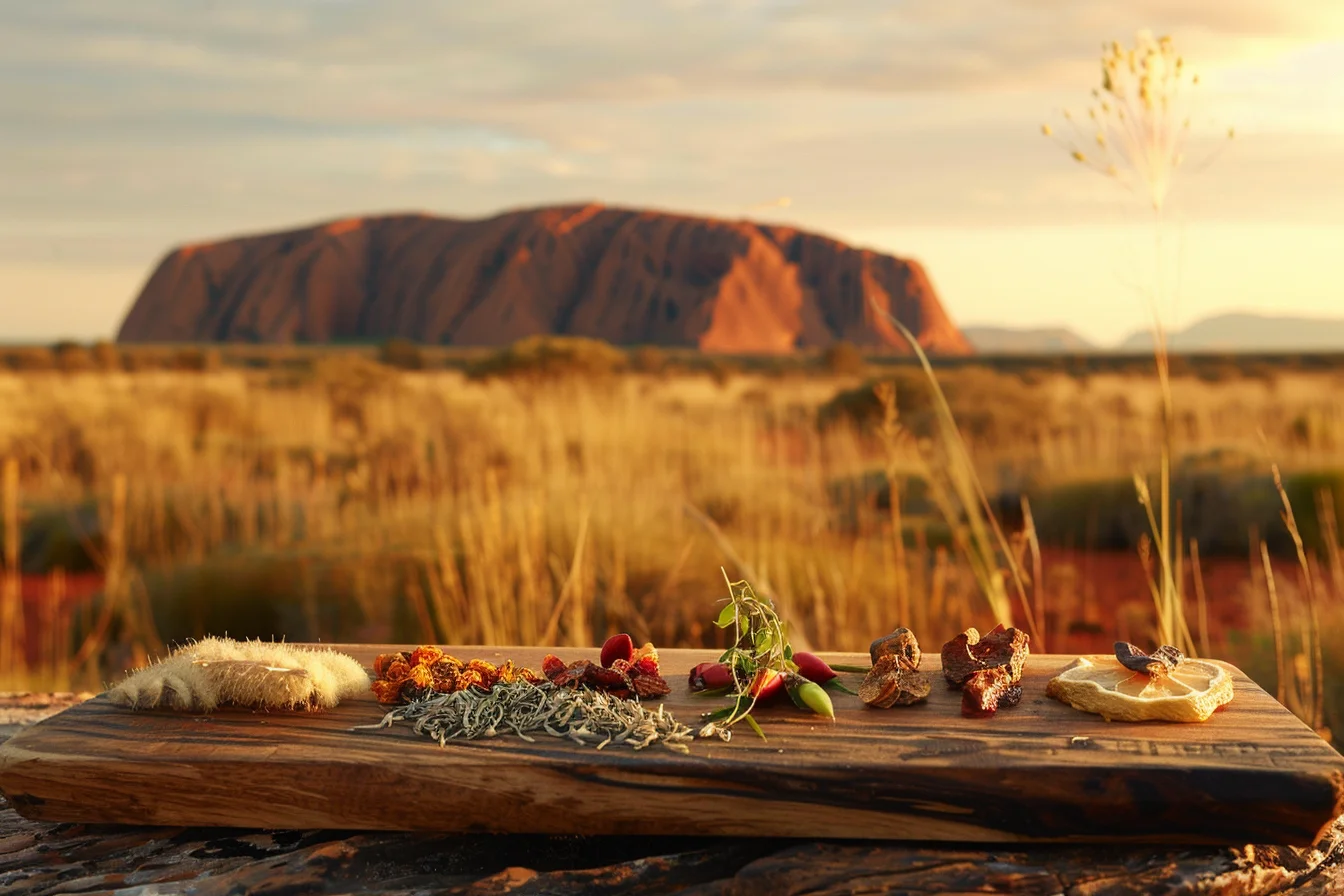
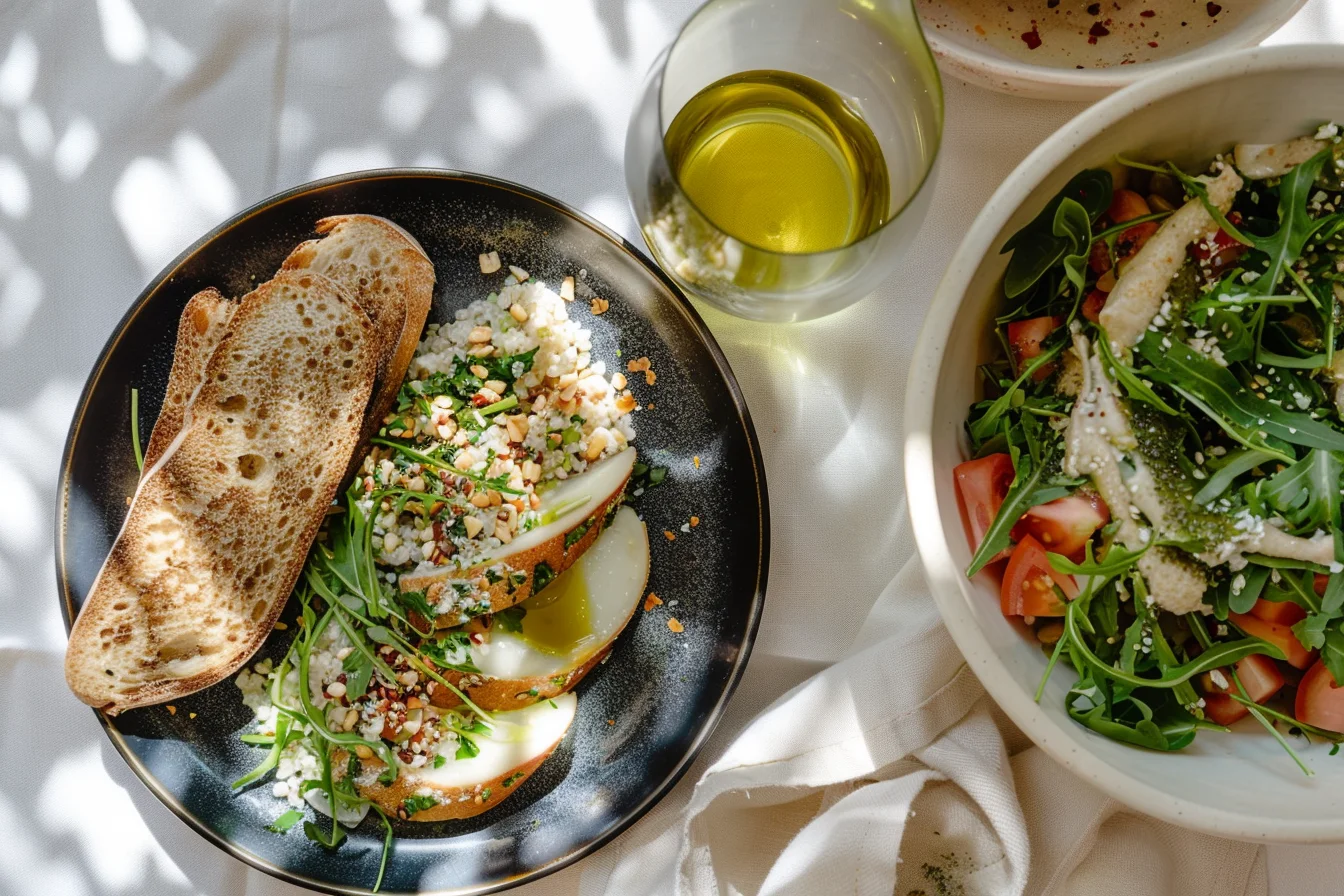
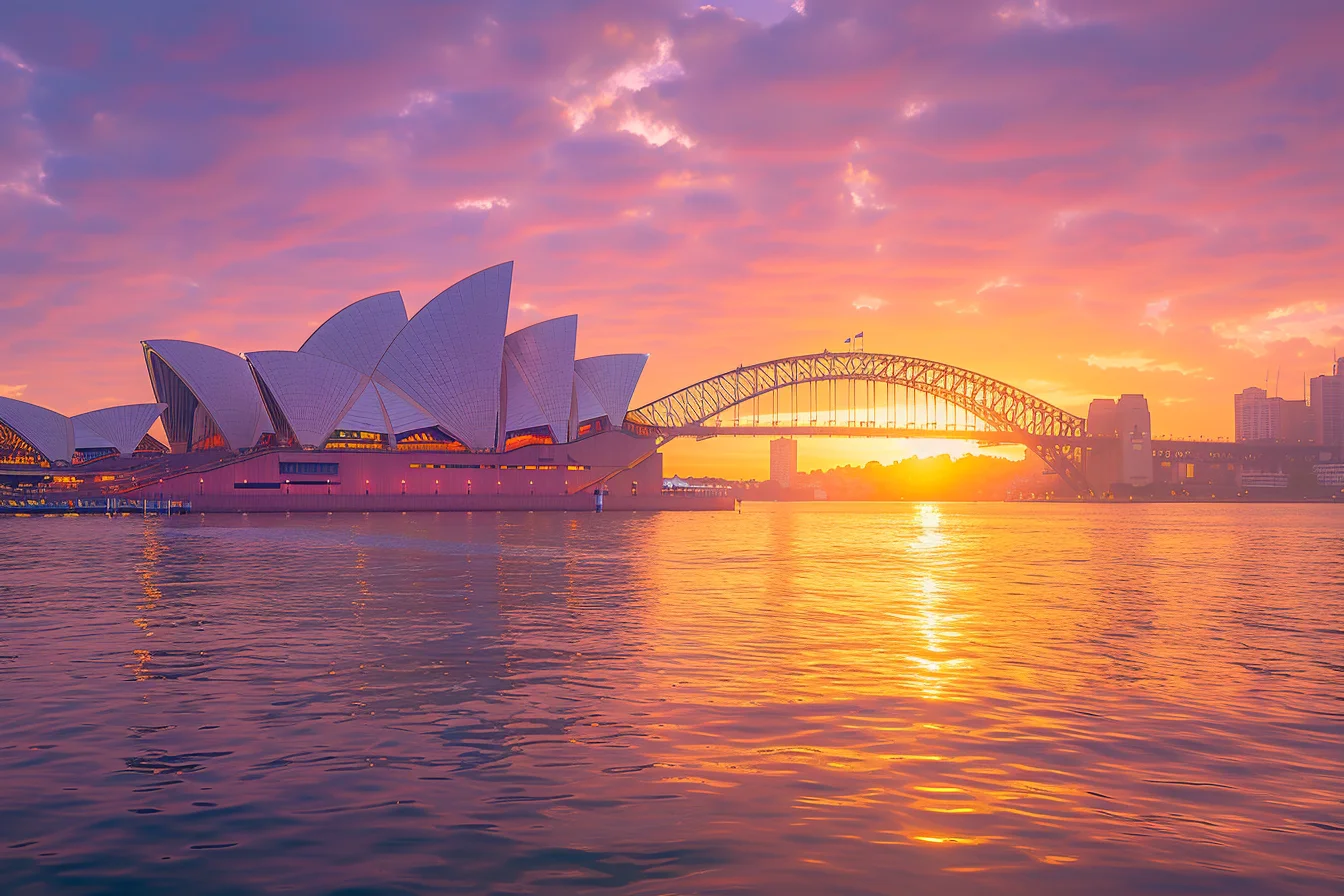
🪨 Uluru & bush tucker — tap to see the full picture☕ Café culture & dukkah — tap to understand the risk🌊 Sydney Harbour — tap to see where you're going
Allergen Risk
Allergen Prevalence Index
This index scores two separate dimensions: supply prevalence (how embedded an allergen is in the cuisine) and hidden risk (how likely it is to appear without disclosure). Australia has among the highest rates of peanut and tree nut allergy in the developed world — the HealthNuts study documents peanut allergy in approximately 3% of Australian infants.1 The defining editorial fact: the three highest-hidden-risk allergens (dukkah, tahini, satay sauce) all arrive at the table or in dishes before any allergy conversation has occurred.
Filter by your allergen to highlight relevant rows
⚠ Dukkah compliance theater alert:Dukkah — a coarse blend of mixed nuts, sesame, and spices — arrives at the table with sourdough and olive oil before any food order is taken at most modern Australian cafés. It always contains tree nuts (typically hazelnut and/or almond) and sesame. Every café uses a different recipe without standardised disclosure. Travelers with any tree nut allergy must flag their allergy before being seated, not after the bread arrives.
Sesame / TahiniDukkah (structural), tahini in hummus and grain bowl dressings, açaí bowl toppings
9
8!
7
7
Tahini in bulk:Tahini is a structural ingredient in hummus at virtually every modern Australian café and in the dressings of grain-based health bowls. Dressings are prepared from bulk kitchen containers — the staff member who assembled your bowl may not know every ingredient. Ask to see original packaging when a staff member cannot name every ingredient in a housemade dressing.
Peanut / Satay SauceSatay sauce as default condiment, pad Thai, gado gado, laksa variants
9
8!
9!
8
⚠ Satay sauce cross-contact:Satay sauce is peanut-based by definition and functions as a default condiment at Australian-Asian venues. At night markets and laneway food courts it circulates as a shared condiment bowl that reaches every other dish at the table. Australia has among the highest pediatric peanut allergy rates globally — a clinical fact that coexists with satay sauce being a near-universal presence at Asian cuisine venues.
Dairy / MilkFlat white steamer wand, ricotta on toast, haloumi, hollandaise, cream sauces
8
5
7
5
Alternative milk tree nut trap: When you ask for “dairy-free milk” at an Australian café, the barista may offer almond milk or macadamia milk as the default. Both are tree nut products. Specify oat or soy milk explicitly if you have a tree nut allergy. Steamer wands are shared between all milk types at most venues — residual dairy proteins can remain if wands are not purged between uses.
Shellfish / CrustaceaPrawns, Moreton Bay bug, yabby, shrimp paste in laksa and Asian dishes
8
7!
8
7
Moreton Bay bug alert: The Moreton Bay bug (Thenus australiensis) is a flat-headed lobster species — a crustacean — widely celebrated as premium Queensland seafood. Travelers with crustacea shellfish allergy who do not recognise the name may inadvertently order it. It carries full crustacean allergen risk identical to lobster, prawn, and crab.
FishFish sauce (structural in Vietnamese and Thai kitchens), Worcestershire sauce, caesar dressing
7
6
7
6
LupinLupin flour in gluten-free products — FSANZ mandatory; cross-reactive with peanut
5
6!
4
4
Lupin & peanut cross-reactivity: Lupin is a mandatory allergen under FSANZ Standard 1.2.3 — one of the few non-EU countries to mandate this. Lupin flour appears in some gluten-free baking products as a wheat substitute. Travelers with peanut allergy are at elevated cross-reactive risk from lupin due to documented cross-reactivity between the two legumes.
Barossa Valley wine note: Barossa Valley shiraz and other concentrated Australian red wine styles carry higher total sulfite loads than lighter European equivalents. Late-harvest and botrytis wines — Clare Valley Riesling, Hunter Valley Sémillon — concentrate natural sulfites through the drying process. Australian fortified wines (muscat, tawny port) carry the highest sulfite concentrations in the domestic market.6
Cuisine
Dish Allergen Map
Australian brunch and café culture is where the highest density of hidden allergen risk concentrates. The standard modern Australian café menu — smashed avocado, grain bowls, açaí bowls, eggs benedict, shared board formats — creates multiple simultaneous allergen exposures from dukkah, tahini, and nut-based milks before any specific dish has been addressed. The Asian-Australian restaurant sector brings a second dense allergen layer through peanut satay, fish sauce, and soy-based sauces.
Dish
Allergens
Hidden Risk Notes
Risk
Smashed Avocado with DukkahThe defining dish of Australian café brunch culture
TREE NUTS (dukkah)SESAME (dukkah)WHEAT (sourdough)
STRUCTURAL — Dukkah is applied in the kitchen before service; it does not arrive at the table separately. The dish is described on menus as “smashed avo on sourdough” without dukkah listed. The cook may not remember to omit it without a specific allergy flag on the ticket. The prep board may have contacted dukkah during preparation of other dishes.
● HIGH
Grain Bowl / Nourish BowlMultiple simultaneous allergen exposures in a single format
STRUCTURAL — Tahini dressing prepared in bulk from a large kitchen container. Staff may not know every ingredient. INCIDENTAL — Dukkah garnish can be omitted. Ask: “Does the dressing contain tahini or sesame? Can I see the original packaging?”
● HIGH
Açaí BowlHighest cross-contact risk brunch format in Australian dining
TREE NUTS (granola)SESAME (tahini drizzle)PEANUT (some granola)
STRUCTURAL (toppings) — Granola contains tree nuts with variable composition; tahini drizzle applied from a shared squeeze bottle. Açaí base itself is allergen-free. SAFE PATH — Request plain base with fresh fruit only: no granola, no tahini drizzle. CROSS-CONTACT — Shared bulk containers for all toppings.
● HIGH
Chicken Satay / Satay SkewersStructural peanut vehicle — the sauce is the dish
PEANUT (satay sauce)SOYSESAME
STRUCTURAL — Satay sauce is peanut-based and is the point of the dish. At Australian-Asian venues it frequently appears as a shared condiment bowl that remains on the table throughout the meal, circulating peanut protein to every other dish. No safe path for peanut-allergic travelers. Request that no satay sauce come to the table — not merely that it be withheld from your order.
● HIGH
Pad ThaiMost-ordered dish at Australian Thai restaurants
PEANUT (cooking + garnish)FISH (fish sauce)EGGSOY
STRUCTURAL — Crushed peanuts are incorporated during cooking and applied as tableside garnish. Fish sauce is structural to the flavour. No safe path for peanut or fish-allergic travelers at traditional preparations. CROSS-CONTACT — Shared wok retains peanut protein between orders even when individual modifications are made.
STRUCTURAL — Shrimp paste is structural to the laksa base and cannot be isolated. Even “vegetarian laksa” options may use commercial laksa paste containing shrimp paste. No safe path for shellfish-allergic travelers without verifying the paste ingredients specifically. Ask: “Does your laksa paste contain shrimp paste or any shellfish?”
STRUCTURAL — Egg is the dish. Hollandaise contains egg and butter. The English muffin is wheat. INCIDENTAL — Wheat can sometimes be addressed with a GF muffin substitute. Hollandaise at high-volume venues may be made with a commercial base containing additional allergens — confirm housemade vs. premixed.
● MODERATE
PavlovaMeringue, cream, and fresh fruit — Australia’s national dessert
EGG (meringue)DAIRY (cream)
STRUCTURAL — Egg white is the structural element of meringue. Cream topping is dairy. No safe path for egg-allergic travelers. Vegan aquafaba alternatives exist at some contemporary venues — worth asking. Fresh fruit topping is allergen-free.
● MODERATE
Barramundi / Snapper (Grilled)Australia’s two signature white fish — safe path for non-fish-allergic travelers
FISH (structural)
STRUCTURAL (fish) — The fish is the allergen. For non-fish-allergic travelers: one of the safest dishes in Australia. Order “plain grilled with lemon and olive oil” and confirm the grill is not shared with shellfish. NOTE: At pub bistros, both may be beer-battered (wheat) unless you specify grilled. FLAKE ALERT: “Flake” is the default fish in Australian fish and chip shops — it is Gummy shark (Mustelus antarcticus), an elasmobranch (cartilaginous fish) rather than a bony teleost. Cross-reactivity between shark and common bony fish allergens is documented but unpredictable. Fish-allergic travelers should avoid Flake regardless of cross-reactivity expectations from their home-country fish allergy testing.
● LOW (non-fish)
Regional Intelligence
Regional Allergen Risk Map
Australia’s allergen risk varies less by regional cuisine tradition than by the urban-rural-remote spectrum. Sydney and Melbourne concentrate the highest allergen density with the best medical infrastructure. As you move into regional and remote areas — rural Queensland, the Northern Territory, the outback — venue sophistication drops and medical response times can reach 60-120 minutes or more. Queensland and the NT carry an additional dimension no other Australian state shares: genuine medical emergency risk from remote geography.
Loading map…
Hover a state for allergen detail · click to build your card
🏙️ NSW & ACT MODERATE
Sydney is Australia’s most allergen-dense dining city. Café brunch concentrates dukkah and tahini risk. Dense Asian corridors (Cabramatta, Chinatown, Burwood) bring peanut satay and fish sauce. Hunter Valley wine introduces sulphite exposure. World-class hospital infrastructure.
Melbourne has the highest per-capita dukkah exposure nationally. Richmond and Footscray Vietnamese corridor and Box Hill Chinese community create a multilingual kitchen landscape. Tasmanian seafood and artisan dairy relevant for shellfish and dairy-allergic travelers.
Brisbane has strong urban infrastructure; Gold Coast has high-volume tourist venues with variable awareness. Cape York, the Gulf Country, and outback Queensland have remote roadhouses where the nearest hospital may be 2-4+ hours by road. Moreton Bay bug is a lobster-equivalent crustacean frequently unrecognised.
↑ Shellfish (Moreton Bay bug, prawns) · Peanut · Macadamia ⚠ Cape York: 4hr+ from hospital
🍷 Western Australia MODERATE
Perth’s café and Asian dining corridor brings the same dukkah and satay risk as Melbourne and Sydney. Margaret River is a world-class wine region. The Kimberley — Broome, Kununurra, remote gorge country — is among the most geographically isolated tourism destinations in the world.
↑ Tree nuts (Perth café) · Sulphites (Margaret River wine) · Shellfish (WA rock lobster) ⚠ Kimberley: RFDS primary resource
⚠ SA & Northern Territory HIGH
Adelaide has a sophisticated food scene with good hospital infrastructure. Barossa Valley and McLaren Vale carry the highest sulfite load in the national wine supply. Uluru is approximately 450km from Alice Springs Hospital — 4-5 hours by road. The NT is Australia’s primary medical gap destination.
↑ Sulphites (Barossa wine) · Peanut (Darwin Asian corridor) ⚠ Uluru: 4-5hr from hospital; RFDS emergency resource
Where to Eat
Venue Safety Profile
The Australian venue landscape spans from world-class fine dining with full written allergen protocols to remote roadhouses with no allergy training and a shared fryer. Urban cafés — the dominant venue format for most travelers — sit in the middle: genuine allergen awareness in their culture, but a compliance theater gap where verbal confirmation is skipped because staff assume a safe outcome.
🍽️Fine Dining Restaurant
Australia’s fine dining scene — Sydney (Quay, Bennelong) and Melbourne (Attica, Cutler & Co) — typically maintains written allergen records, has trained front-of-house staff, and will genuinely modify menus for allergic guests with advance notice. The tasting menu format requires advance communication at booking, not an arrival request. 24-48 hours advance notice enables the kitchen to plan cross-contact management rather than improvise.
→ Advance notice at booking required — contact the restaurant, not the reservation system
LOWEST RISK
☕Modern Australian Café
The modern Australian café is the highest compliance theater risk venue tier. Awareness is high, willingness is high, but the mechanics of the café service format work against reliable allergen management: dukkah arrives at the table before the allergy conversation; shared prep surfaces are the rule; bulk grain bowl toppings come from the same containers for every order. The café team genuinely wants to help — the risk is that they are often not equipped to prevent cross-contact even when they intend to. Flag your allergy at the counter before being seated. Ask specifically about dukkah, the dressing, and shared prep surfaces.
→ Dukkah arrives before you order — flag allergy at the counter before sitting down
Australia’s Asian restaurant sector represents the highest allergen complexity in Australian dining. Kitchen staff frequently operate in Mandarin, Cantonese, Vietnamese, or Thai. Peanut satay sauce, fish sauce, and shrimp paste are structural invisible allergens across multiple cuisine types. The shared wok kitchen means cross-contact is endemic even when individual orders are modified. For peanut, shellfish, and fish-allergic travelers, a card in the relevant kitchen language is the most reliable tool.
→ English may not reach the cook — request a card in the kitchen language and ask that it be taken to the person cooking your meal
HIGH RISK
🍺Australian Pub / Bistro
The Australian pub bistro typically runs beer-battered fish and chips, chicken parma (parmesan schnitzel), pub steaks, and burgers. The beer batter is a wheat vehicle that catches travelers who expect grilled fish. Shared fryers between fish, chips, and crumbed items mean cross-contact is endemic. In regional and rural venues, kitchen staff may have no allergy training whatsoever.
→ Beer batter on fish is wheat — ask for grilled, not battered; ask about shared fryer
MODERATE
🦞Seafood Restaurant / Fish Market
Australian seafood culture is extraordinary — Queensland prawns, Moreton Bay bugs, WA rock lobster, Tasmanian Atlantic salmon. For shellfish-allergic travelers, a seafood-specialist restaurant is the highest cross-contact risk venue: shared display cases, shared preparation boards, and the cultural norm of ordering the daily catch make cross-contact management extremely difficult. For non-shellfish allergies, these venues are among the lower-risk options.
→ Shellfish cross-contact is total — Moreton Bay bugs are lobster-equivalent and may not be recognised as shellfish
HIGH RISK (shellfish)
🏮Night Market / Laneway Food Court
Melbourne’s laneway night markets, Sydney’s Paddy’s Markets, Brisbane’s South Bank markets represent the highest cross-contact risk in Australian dining. Peanut satay sauce circulates as a universal condiment. Shared serving surfaces between adjacent stalls. High-volume service reduces individual order attention. Multiple kitchen languages simultaneously. For travelers with multiple allergies or severe reactions, this format requires careful personal assessment.
→ Peanut satay circulates freely as a shared condiment — cross-contact is endemic in this format
HIGH RISK
🛣️Roadhouse / Remote Petrol Station
The Australian roadhouse is the only food option on thousands of kilometres of national highway. In the NT, outback Queensland, and remote WA, roadhouses serve as the sole food and fuel stop for vast regions. Kitchen sophistication is low: shared fryers for everything, bulk frozen products, staff with no allergy training. The critical compounding factor: you are typically 60-120 minutes or more from the nearest hospital. In remote areas, FSANZ-labeled packaged food from the roadhouse shop is a legitimate risk management choice over hot kitchen food.
→ Identify the nearest hospital before stopping — you may be 2 hours from care
HIGH RISK
🛒Supermarket (Woolworths, Coles, IGA)
Australian supermarkets operate under FSANZ Standard 1.2.3 mandatory allergen labeling. All 11 mandatory allergens are declared on packaged products. “May contain” language is currently voluntary (P1044 reform in progress) — read labels carefully for both declared and advisory allergen statements. The supermarket is the safest self-catering option in Australia — far more reliable than any restaurant tier.
→ FSANZ mandatory labeling applies — the supermarket is your most transparent food source in Australia
MOST RELIABLE
⚠ Alternative milk in cafés — almond and macadamia are tree nuts: When you ask for “dairy-free milk” at an Australian café, the barista may offer almond milk or macadamia milk as the default. Both are tree nut products. Specify oat milk or soy milk explicitly if you have a tree nut allergy. Steamer wands at most cafés are shared between all milk types — residual dairy proteins can remain if wands are not purged between uses. For severe milk allergy, ask whether a dedicated non-dairy steamer wand is available.
The plainly grilled format is your safe harbour: Across all Australian venue tiers, a plainly grilled protein — barramundi, chicken breast, a steak — with a simple dressed salad and no sauce is the lowest-risk order in Australian dining. Ask for protein “plain grilled with lemon and olive oil” and “dressing on the side” and you have a manageable meal at almost any venue in Australia outside the night market format.
Dining Etiquette
Communication & Etiquette for Allergic Travelers
Australian dining culture is among the most open to dietary requests in the world. The cultural nuance that works against allergic travelers is the same openness: because allergy is so commonly mentioned, it has become culturally diluted. “Allergy,” “intolerance,” and “preference” have merged in the Australian restaurant vocabulary. Travelers with genuine IgE-mediated allergies must communicate their severity clearly and specifically.
🏥
Distinguish Allergy from Intolerance
In Australian dining culture, “I have a food allergy” is heard dozens of times a day and is often interpreted to mean “I prefer not to eat that.” The phrase “I have an anaphylactic allergy — I may need my EpiPen” is the clearest signal of medical severity and produces a markedly different response. Use the words “anaphylactic” or “medical requirement” explicitly.
⏱️
Timing Your Allergy Communication
The most critical timing insight in Australian dining: communicate your allergy before you sit down at a café, not after you have been seated and handed a menu. In the café service format, the dukkah bowl and bread basket go to the table as part of the seating ritual — before any order is taken. If you are seated before flagging your allergy, you may already have an allergen on the table.
📦
Ask to See Original Packaging
It is entirely appropriate in Australia to ask to see the original packaging of a housemade sauce, dressing, or topping when a staff member cannot name every ingredient. Australian food culture supports ingredient transparency. “Can I see the tahini container you use in the dressing?” is a reasonable request most well-run cafés will honour. It is not rude — it is the correct escalation when you cannot get a complete ingredient answer.
🥢
Language Gap at Asian Cuisine Venues
At Asian cuisine restaurants, do not assume that English spoken at front-of-house reaches the kitchen. Hand your allergy card (in the appropriate kitchen language — Mandarin, Cantonese, or Vietnamese) directly to the front-of-house manager and ask explicitly that it be shown to the cook: “My card is in [language] — can you take it to the kitchen and show it to the person who will be cooking my meal?”
🏮
Night Markets and Street Food
At Melbourne laneway markets, Sydney night markets, and similar street food events, rigorous allergen management is extremely difficult. The pace is fast, equipment is shared, kitchen language is variable. If you have a severe peanut, tree nut, shellfish, or sesame allergy: assess honestly whether this format is the right choice for your specific risk profile. If you do attend, choose stalls with a visually simple menu and have a direct face-to-face conversation with the stall operator before ordering anything.
🛣️
In Remote and Rural Areas
In the NT, outback Queensland, and remote WA, the critical shift is risk calculus — a severe reaction at a remote roadhouse places you 60-120 minutes from hospital care before medical management begins. In remote areas, defaulting to FSANZ-labeled packaged food from the roadhouse shop rather than hot kitchen food is a legitimate and prudent risk management choice.
Languages
Languages Spoken
EnglishGenerate card in English → Create now is the official and kitchen language of Australia. The compliance theater risk is that English availability leads travelers to assume their allergen request has been heard and acted upon through the entire kitchen chain — a chain that in many Australian-Asian restaurants operates in a different language entirely. The right question is not “do they speak English?” but “does the person making my food operate in English?”
All states and territories — primary kitchen language at Anglo-Australian venues
Complete penetration in modern Australian cafés, fine dining, pubs, and mainstream venues. Front-of-house at Asian cuisine restaurants operates in English; back-of-house kitchen staff frequently do not.
Sydney (Chinatown, Chatswood, Hurstville, Burwood), Melbourne (Box Hill, Glen Waverley), Brisbane (Sunnybank), Perth (Northbridge)
HIGH — primary back-of-house kitchen language across the Chinese restaurant sector in major cities. Most important immigrant kitchen language in Australia by volume. An English allergen request at a Chinese restaurant front desk may not reach the cook.
Melbourne (Richmond, Footscray), Sydney (Cabramatta), Brisbane (Inala)
HIGH — Melbourne’s Richmond and Footscray Vietnamese restaurant strips operate entirely in Vietnamese back-of-house. Cabramatta is the largest Vietnamese community in Australia — restaurants operate entirely in Vietnamese. English-only card will not reliably reach the cook.
Sydney (Chinatown, Eastwood), Melbourne (Box Hill older establishments), Brisbane (Fortitude Valley)
HIGH in Cantonese-origin kitchens — yum cha and dim sum venues, traditional Cantonese seafood restaurants. Do not assume Mandarin reaches the kitchen at yum cha restaurants — Cantonese is the more reliable channel at these specific venues.
Melbourne (Oakleigh Greek precinct, South Yarra), Sydney (Marrickville, Newtown)
MODERATE — Melbourne’s Oakleigh precinct maintains authentic Greek restaurants where kitchen staff may operate in Greek. Sesame via tahini-heavy dips, filo wheat, and tree nuts in Greek pastry are the primary allergen concerns at these venues.
1.2%
Communication
Essential Safety Phrases
Unlike destinations with language barriers, Australia’s phrase guide focuses on precise English formulations that cut through compliance theater. The goal is not translation — it is specificity. Vague allergen requests produce vague kitchen responses. These phrases are optimised for Australian food service culture where “allergy” without further context is frequently interpreted as “preference.”
Allergen Declaration
Declaring a severe allergy on arrival
English
I have a severe food allergy to [allergen]. I may need to use an EpiPen if I am exposed. This is a medical requirement, not a dietary preference.
The phrase “medical requirement, not a dietary preference” is specifically effective in Australian dining culture where “allergy” and “intolerance” have become conflated. It signals severity without ambiguity.
Asking About Dukkah
Asking about dukkah before being seated
English
Before I sit down — I have a tree nut and sesame allergy. Does dukkah come to the table automatically? I need to make sure there’s no dukkah at my table before anything arrives.
The most important phrase in the Australian context. It names dukkah specifically, requests action before food arrives, and frames the timing correctly. Most Australian café staff know exactly what dukkah is and will act on this request immediately.
Grain Bowl Dressing
Asking about grain bowl dressing
English
Does the dressing contain tahini or sesame? I have a sesame allergy. If the tahini is added from a bulk container, can I see the original packaging or ingredient list?
Asking to see original packaging is a legitimate and well-received request in Australia. Most well-run cafés will comply without any sign of affront.
Shared Fryer Risk
Asking about shared fryers
English
I have a [fish / shellfish / wheat] allergy. Do you use a shared fryer? If the fryer is also used for fish or crumbed items, I need to order something that doesn’t go through the fryer.
Shared fryer cross-contact is almost never volunteered in Australian kitchens. This question must be asked explicitly and produces a direct yes/no answer in most cases.
Asian Restaurant
Requesting kitchen-language card be taken to the cook
English
I have a serious food allergy. My allergy card is written in [Mandarin / Cantonese / Vietnamese]. Can you please take this card to the kitchen and show it to the person cooking my food?
The specific request to take the card to the person cooking — not the manager — is the operative phrase. Most front-of-house staff at Asian cuisine venues will comply with a polite, direct request of this kind.
Peanut Allergy
Ordering at a café with peanut allergy
English
I have a severe peanut allergy. Before I order — is there any peanut sauce or satay sauce in this kitchen? I also need to make sure my plate and utensils have not been in contact with any peanut products.
At any venue serving Asian-influenced dishes, peanut satay sauce in the kitchen is a cross-contact risk for every dish in service. This question is especially important at cafés with an Asian fusion offering alongside standard brunch items.
Safe Path Request
Requesting plain grilled at any venue
English
Can I have the [fish / chicken / steak] grilled plain — no sauce, no marinade, no butter — with lemon and olive oil on the side? Can you confirm it won’t share a grill or pan with any shellfish or other allergen from my list?
The “plain grilled” request is a reliable safe path across all Australian venue tiers for most allergen profiles. Specifying “no marinade” is important — many Australian kitchens pre-marinate proteins in soy sauce or garlic oil by default.
Emergency
Emergency — calling for help
000112 mobile
Help! I am having an allergic reaction. Please call 000 now and tell them I need an ambulance for anaphylaxis. My EpiPen is in my bag — I may need help administering it.
000 is the emergency number for all services in Australia. 112 works from mobile phones. The word “anaphylaxis” is understood by 000 dispatchers — use it explicitly to trigger the highest-priority ambulance response.
Pre-Trip Preparation
Allergy-Specific Packing List for Australia
Australia is a well-supplied destination for medical essentials — EpiPens are available by prescription, antihistamines are on pharmacy shelves nationwide, and English-language communication removes the documentation burden of other destinations. The packing list emphasis is on the remote and rural context: communication tools and the self-reliance posture required when emergency response is measured in hours.
💊 Medical Essentials
✓
Two epinephrine auto-injectors (EpiPen or equivalent) — Carry two. In remote NT and QLD, emergency response may be multi-hour — a second device is not redundancy, it is the plan. Keep one on your person at all times.
✓
Insulated EpiPen carry case — Critical for Australian summer travel (October–April). Temperatures in a parked car can exceed 70°C. Epinephrine degrades above sustained 25°C. Never leave your EpiPen in a vehicle.
✓
Antihistamines (cetirizine or loratadine) — Available OTC at all Australian pharmacies — Chemist Warehouse, Priceline, Woolworths Pharmacy. Zyrtec (cetirizine) and Clarityne (loratadine) are the standard Australian brands.
✓
Doctor’s letter and prescription for EpiPen — Required for TGA personal import declaration. Keep a digital copy as backup.
✓
Written anaphylaxis emergency action plan — Include EpiPen instruction and 000 call instruction. Share with travel companions before departure. ASCIA provides a standard Australian-format action plan at allergy.org.au.
🪪 Communication Tools
✓
Prepared Travel allergy card in English — Must name dukkah, tahini, and satay sauce specifically — generic “tree nut” or “sesame” descriptions are insufficient to trigger the correct kitchen response at the compliance theater tier.
✓
Prepared Travel allergy card in Mandarin — Essential if dining at Chinese cuisine restaurants in Sydney, Melbourne, or Brisbane. The highest-value additional card for most travelers to Australia.
✓
Prepared Travel allergy card in Vietnamese — Essential for Melbourne’s Richmond and Footscray corridor and Sydney’s Cabramatta. These are internationally significant dining destinations with Vietnamese-language kitchens throughout.
✓
Prepared Travel allergy card in Cantonese — Recommended for traditional Cantonese and yum cha venues. Do not substitute Mandarin for Cantonese at established yum cha restaurants.
🏜️ Remote Travel
✓
RFDS regional contact information — If traveling in NT, outback QLD, or remote WA, know your closest Royal Flying Doctor Service base. Store relevant state emergency coordination numbers in your phone.
✓
Satellite communicator (e.g. Garmin inReach) — For travel in the Australian outback, Kimberley, or Cape York where mobile signal is absent. Enables emergency contact when 000 cannot connect via standard mobile network.
✓
FSANZ-labeled packaged food supply for remote days — In remote areas, carry FSANZ-labeled packaged food as a meal alternative to roadhouse kitchen food. The most reliable allergen-transparent option in remote Australia.
✓
Heat-storage check protocol — Inspect your EpiPen viewing window regularly. Replace immediately if the solution appears discoloured, brown, or cloudy — heat exposure may have compromised the medication.
Contextual Intelligence
Café Culture & Brunch Dining
The Australian café is the defining food experience of the country and the primary compliance theater environment for allergic travelers. It is not dangerous because it is careless — it is dangerous precisely because it is so aware. The assumption that awareness translates to safety is the mechanism by which allergen exposures happen in Australian cafés. Understanding the mechanics of the brunch kitchen — what arrives before you order, what is made in bulk, what shares a fryer — is more valuable than relying on staff knowledge alone.
☕
The food arrives before the conversation
In the Australian café, the allergen risk arrives before you order. Dukkah and olive oil come to the table with the bread. The açaí bowl’s granola is bulk-portioned before service. The grain bowl dressing is premixed in a large container in the kitchen. By the time you have a conversation with the barista about your allergy, three allergen exposures may already be in motion. Timing is the compliance theater mechanism.
🫙
The Dukkah Arrives Before You Order
At the majority of modern Australian cafés, dukkah — a coarse blend of mixed nuts, sesame, and spices — is placed on the table with olive oil and sourdough before any food order is taken. It is a hospitality gesture. The compliance theater mechanism: your allergy conversation with staff has not yet happened. The dukkah is already on the table. The sourdough is already being dipped. The sesame oil from the dukkah bowl has already migrated to the bread basket.
Travelers with tree nut or sesame allergy must flag their allergy at the counter or at the point of being seated — before anything arrives at the table. Do not wait for the menu.
The dukkah rule Flag your tree nut and sesame allergy before you sit down, not after the bread arrives. Ask staff to confirm that no dukkah has been placed at your table and that your dishes will be prepared on surfaces that have not contacted dukkah.
🍳
The Shared Fryer Is the Invisible Variable
Australian café and pub kitchens routinely share a single fryer between multiple products — hash browns, crumbed items, fish, and chips. Cross-contact from a shared fryer is not something kitchen staff typically volunteer. In the context of café brunch, a fryer that handles fish, egg, wheat, and dairy in rapid succession creates cross-contact exposure that is invisible to any written menu or verbal allergen declaration.
Travelers with fish or shellfish allergies eating at a café that also serves battered fish should specifically ask whether a dedicated fryer is used for their order.
The fryer question Ask: “Do you use a shared fryer? I have a [fish/shellfish/wheat] allergy and need to know whether cross-contact from the fryer is possible with my order.”
🥣
Bulk Preparation: The System Behind the Counter
The visual aesthetic of Australian café culture — artfully arranged grain bowls, açaí bowls with geometric topping placement, beautifully poured coffee — conceals a high-volume prep system where most components are made in bulk in advance. The tahini dressing is portioned from a 5-litre container. The granola is stored in a bulk bin. The dukkah comes from a 2kg tub.
When you ask a café staff member “what’s in the dressing?”, they may not know — the dressing was made by the kitchen team before service and there may have been no label on the bulk container. High-quality cafés will have allergen records for their housemade products. High-volume cafés may not.
The bulk prep rule For any housemade sauce, dressing, or topping: ask to see the original ingredient packaging if the staff member cannot name every ingredient. “I think it’s just tahini and lemon” is not an allergen declaration.
📱
The Australian Advance Notice Protocol
Unlike Japan (where advance written notice is essential) or Greece (where WhatsApp is the booking convention), Australian restaurants and cafés are accustomed to real-time allergy requests. For a tasting menu format, contact at booking time is mandatory. For a standard café brunch, arriving before peak service (before 10am on weekends) and stating your allergy at the counter before ordering is the most effective protocol.
At high-volume venues during peak brunch service (10am–noon on weekends), a phone call the evening before significantly improves the quality of the response and enables the kitchen to plan, rather than improvise.
The timing rule For tasting menus and fine dining: call at booking. For café brunch: arrive before 10am and state your allergy at the counter. For high-volume weekend venues: phone the evening before peak service.
☕
The Steamer Wand: Dairy Cross-Contact in the Coffee
Australian café coffee culture is one of the most sophisticated in the world — and it creates a specific dairy cross-contact mechanism. Most cafés use a single steamer wand for all milk types: full dairy, oat, almond, soy, and macadamia. If the wand is not purged between uses with a dedicated steam blast, residual dairy proteins can remain in non-dairy milk preparations.
At specialty cafés with high coffee volume, a dedicated wand for non-dairy milks is more common. At high-volume venues, the wand may be wiped but not steam-purged between every order.
The wand purge request Ask: “Do you have a dedicated dairy-free steamer wand? If not, can you purge the wand with a full steam blast before steaming my milk?” Most Australian baristas understand this request immediately.
Emergency
Emergency Infrastructure
Australia’s urban emergency medical system is among the best in the world. The caveat: in remote Northern Territory, outback Queensland, and the Kimberley, response times can exceed one hour, and air medical retrieval is the primary service. Know the medical infrastructure reality of your specific itinerary before you travel.3
000
Ambulance, Police & Fire — Australia National
000 dispatches ambulance, police, and fire across all Australian states and territories. Response in metropolitan areas typically under 10 minutes. State the word “anaphylaxis” explicitly — it triggers the highest-priority ambulance dispatch. Keep the dispatcher on the line.
Mobile / no carrier signal: 112 · 112 may activate satellite-assisted connection in some remote areas
⚠ Remote medical gap — critical for NT and outback QLD travelers: Uluru (Ayers Rock) is approximately 450km from Alice Springs Hospital — approximately 4-5 hours by road. The Kimberley (WA): remoter areas require RFDS air retrieval. Cape York (QLD): no hospital within 4+ hours. In all these areas, an EpiPen is not a precaution — it is the primary treatment resource before any medical help arrives. The Royal Flying Doctor Service (RFDS) provides emergency air medical retrieval via 000 coordination, but response is measured in hours.
Royal Prince Alfred Hospital (Sydney)
50 Missenden Road, Camperdown NSW 2050
Full emergency and allergy department. Major public hospital serving inner Sydney. Verify at slhd.health.nsw.gov.au before publish.
Sydney · Public
The Alfred Hospital (Melbourne)
55 Commercial Road, Melbourne VIC 3004
Full emergency and allergy department. One of Melbourne’s premier emergency hospitals. Verify at alfred.org.au before publish.
Melbourne · Public
Royal Brisbane and Women’s Hospital
Butterfield Street, Herston QLD 4029
Full emergency and allergy department. Brisbane’s primary academic hospital. Verify at health.qld.gov.au before publish.
Brisbane · Public
Alice Springs Hospital — Remote reference for Uluru travelers
Gap Road, Alice Springs NT 0870
Closest hospital to Uluru (~450km, 4-5hr by road). General emergency medicine — no dedicated allergy department. Verify at nt.gov.au before publish.
Alice Springs · NT
Royal Darwin Hospital
105 Rocklands Drive, Tiwi NT 0810
NT’s primary hospital. Good emergency infrastructure for Darwin city. Verify at nt.gov.au before publish.
Darwin · NT
Royal Flying Doctor Service (RFDS): The RFDS provides emergency air medical retrieval across remote Australia. In NT, outback QLD, and remote WA, the RFDS may be the primary emergency medical resource. State emergency dispatch via 000 will coordinate RFDS retrieval. In areas with no mobile coverage, a satellite communicator (e.g. Garmin inReach) is required to initiate the 000 call. Visit flyingdoctor.org.au for current service coverage information.
Preparation
Bringing Your EpiPen to Australia
Australia is one of the easiest destinations in the world for EpiPen import and availability. The TGA personal import scheme is straightforward, EpiPen is commercially available by prescription, and no prior authorisation is required for a personal supply of up to three months. The country-specific note is heat storage: Australian summer temperatures require an insulated carry case.5
✓ Permitted: EpiPens (epinephrine auto-injectors) are approved and commercially available in Australia by prescription. Legal to import for personal use under the TGA personal importation scheme. Well-known to customs officers — not treated as a controlled substance.
☑ Plan B — Over-the-counter at Australian pharmacies: In Australia, adrenaline auto-injectors (EpiPen brand and generics) are available without a prescription as a Schedule 3 pharmacist-only medicine at Chemist Warehouse, Priceline, and most major pharmacies. Non-residents will pay the full retail price (∼$80–$100 AUD per device, not PBS-subsidised). This is a meaningful difference from most other countries: if you lose or damage a device during your trip, you can replace it at a pharmacy the same day without a local prescription. Keep the packaging from your original device — it helps the pharmacist confirm the correct product.
01
You are permitted to import a personal supply of up to 3 months of prescription medication under the TGA personal import scheme — no advance permit required for this quantity.
02
Carry your prescription for epinephrine auto-injector and a letter from your prescribing doctor or allergist confirming medical necessity and travel dates.
03
Keep your EpiPen in its original manufacturer’s packaging. Declare it to Australian Border Force (ABF) if asked — prescription medications for personal use are routinely cleared without issue.
04
Critical heat storage warning — Australian summer (October–April): Temperatures in a parked car in Australia can exceed 70°C. Epinephrine degrades above sustained 25°C. Never leave your EpiPen in a vehicle. Carry it on your person in an insulated carry case at all times.
05
Inspect the EpiPen viewing window regularly during your trip. Replace immediately if the solution appears discoloured, brown, or cloudy — heat exposure may have compromised the medication.
06
In-country availability: EpiPen is available at Australian pharmacies including Chemist Warehouse, Priceline, and Coles/Woolworths pharmacy — by prescription. Foreign prescriptions are not accepted for dispensing. Bring your full supply from home.
07
Verify current TGA personal import rules at tga.gov.au/entering-australia before travel — rules may have changed since this page was last updated.
Confidence: Medium. TGA personal import rules are well-established and EpiPens are routinely cleared at Australian customs. Heat storage guidance is clinically established but specific to Australian summer conditions — confirm with a travel medicine physician before your trip.5
Regulation
Allergen Labeling Law
FSANZ Standard 1.2.3 is one of the most comprehensive mandatory allergen labeling frameworks in the world for packaged goods — 11 allergens, including lupin (not on the EU mandatory list) and sesame. The critical gap: no restaurant mandate. The May-Contain reform under Proposal P1044 addresses inconsistency in voluntary “may contain” language.2
Legislation: Australia New Zealand Food Standards Code — Standard 1.2.3. Governing body: Food Standards Australia New Zealand (FSANZ). Mandates declaration of 11 allergens on all packaged food sold in Australia and New Zealand: peanut, tree nuts (almond, Brazil nut, cashew, hazelnut, macadamia, pecan, pine nut, pistachio, walnut), milk, egg, wheat (and other gluten-containing cereals — rye, barley, oats), soy, sesame, fish, shellfish (crustacea), lupin, and sulphites above 10 mg/kg. Restaurants are not covered by any federal allergen disclosure requirement.2
Pending change — P1044 PAL Reform: FSANZ Proposal P1044 standardises voluntary “may contain” language on packaged food in Australia and New Zealand. Implementation status and effective date: verify at foodstandards.gov.au before publish. Confidence MEDIUM.
11 Mandatory Allergens (FSANZ Standard 1.2.3)
Peanut · Tree nuts · Milk · Egg · Wheat / gluten-containing grains · Soy · Sesame · Fish · Shellfish (crustacea) · Lupin · Sulphites above 10 mg/kg. Applies to all packaged food sold in Australia and New Zealand. Restaurants and food service are not covered.
Restaurant Mandate
Australia has no federal requirement for restaurants to proactively declare allergens or to provide allergen information on request. This is a material gap relative to EU Regulation 1169/2011. Restaurants are subject to general food safety obligations under state-level Food Acts but not a specific allergen disclosure framework.
Regional Product Callout — Barossa Valley Wine & Sulphites
Barossa Valley shiraz and other concentrated Australian red wine styles carry higher total sulfite loads than lighter European equivalents due to sulfite addition as a preservation standard in Australian commercial winemaking. Late-harvest and botrytis wines (Clare Valley Riesling, Hunter Valley Sémillon) concentrate natural sulfites through the drying process. Australian fortified wines (muscat, tawny port) carry the highest sulfite concentrations in the domestic market. Sulfite-sensitive travelers should treat Australian sweet and fortified wine categories with the same caution as European equivalents despite the English-language label.6
Edge Cases & Special Notes
The FSANZ wheat standard covers oats as a gluten-containing cereal despite oats being a separate crop — relevant for oat-tolerant celiac travelers. Lupin inclusion in FSANZ (not in EU mandatory list) is specifically relevant given Australia’s high peanut-allergic population: lupin flour in gluten-free products carries documented peanut cross-reactivity risk. “Gluten-removed” beers (enzyme-treated) are distinct from inherently gluten-free products — may still trigger celiac responses.
References & Transparency
Sources, Citations & Data Confidence
View source citations
▼
1
Osborne, N.J., Koplin, J.J., Martin, P.E., et al. “Prevalence of challenge-proven IgE-mediated food allergy using population-based sampling and predetermined challenge criteria in infants.” Journal of Allergy and Clinical Immunology, 2011. doi.org/10.1016/j.jaci.2011.02.039 — HealthNuts study. Documents ~3% peanut allergy prevalence in Australian infants. HIGH confidence.
2
Food Standards Australia New Zealand (FSANZ). “Australia New Zealand Food Standards Code — Standard 1.2.3.” foodstandards.gov.au — Primary regulatory source for FSANZ mandatory allergen list. Verify current 11-allergen list and P1044 PAL reform status before publish. HIGH confidence.
3
Australian Institute of Health and Welfare (AIHW). “Emergency department care — Australia’s hospitals 2022–23.” aihw.gov.au — Source for urban emergency medical reliability data. MEDIUM confidence.
4
Australasian Society of Clinical Immunology and Allergy (ASCIA). “ASCIA Guidelines — Acute management of anaphylaxis.” 2022. allergy.org.au — ASCIA practitioner guidelines for anaphylaxis management and Australian allergy prevalence context. HIGH confidence.
5
Therapeutic Goods Administration (TGA). “Personal importation of medicines — Information for travellers.” 2024. tga.gov.au/entering-australia — Primary TGA source for personal importation rules. Verify current rules before publish. MEDIUM confidence.
6
Stockley, C.S. “Sulphur dioxide: a review — concentration, role, and management in Australian wine.” Australian Wine Research Institute (AWRI), 2012. awri.com.au — Source for sulfite levels in Australian wine by style. MEDIUM confidence.
7
Royal Flying Doctor Service (RFDS). “RFDS Services — Remote area emergency medical retrieval.” 2024. flyingdoctor.org.au — Source for remote medical infrastructure context in NT, outback QLD, and remote WA. MEDIUM confidence.
8
Peters, R.L., Koplin, J.J., Gurrin, L.C., et al. “The prevalence of food allergy and other allergic diseases in early childhood in a population-based study: HealthNuts age-4-year follow-up.” Journal of Allergy and Clinical Immunology, 2017. doi.org/10.1111/jaci.12636 — HIGH confidence.
9
Australian Bureau of Statistics (ABS). “2021 Census — Language spoken at home: Australia.” 2022. abs.gov.au — Source for languages section percentage data. HIGH confidence.
Data confidence ratings
▼
Data point
Confidence
Notes
Emergency number (000)
● HIGH
Universally established — verify at health.gov.au before publish
FSANZ mandatory allergen list (11 allergens)
● MEDIUM
Derived from knowledge; verify current list at foodstandards.gov.au
P1044 PAL reform status
● MEDIUM
Reform status may have advanced — verify at foodstandards.gov.au
TGA personal import rules
● MEDIUM
Rules are stable but verify current page at tga.gov.au/entering-australia
Hospital addresses (all five)
● MEDIUM
Plausible but require verification against current hospital directories before publish
Difficulty score (3/10)
● MEDIUM
Editorial review required; 3/10 understates remote contexts — prose caveat in metrics and emergency sections
Peanut allergy prevalence (~3% of infants)
● HIGH
Osborne et al. 2011 HealthNuts study; Peters et al. 2017 follow-up
ABS language data (Mandarin 3.7%, etc.)
● HIGH
ABS 2021 Census — verify at abs.gov.au for most recent Census
Barossa Valley sulfite levels
● MEDIUM
AWRI 2012 review — verify URL at awri.com.au before publish
Traveler voice quotes
● MEDIUM
Community-submitted; represent individual experiences and may not generalise
This page is a living document. Australia’s allergen labeling system is evolving — the P1044 precautionary labeling reform and FSANZ’s ongoing review of the mandatory allergen list mean that regulatory information may change. Last verified April 2026.
Community Reports
Traveler Voices
Community reports from Prepared Travel users. All reports unverified — presented as traveler experience, not medical advice.
I asked at the café counter about my peanut allergy and they said ‘no problem.’ Then I watched the barista reach across the satay station to get my plate. Peanut sauce was on their gloves. In Australia. At a nice café in Fitzroy.
S.K. — Peanut allergy · Fitzroy, Melbourne · 2025
The dukkah arriving at the table before we sat down caught us completely off guard. We’ve traveled with tree nut allergy for years and this was the first time the allergen was already at the table before any conversation had happened. Once we understood the ritual, we started flagging at the door every time. It changed everything.
M.R. — Tree nut allergy · Surry Hills, Sydney · 2025
Uluru was extraordinary — one of the most profound experiences of my life. But we were genuinely 4-5 hours from a hospital by road. We carry two EpiPens everywhere anyway, but in the NT it felt different. We are glad we had the emergency plan written out and shared with our tour guide before we left Alice Springs.
T.J. — Peanut + tree nut allergy · Uluru–Kata Tjuta NP, NT · 2024
Traveled to Australia with food allergies?
Your experience helps the next traveler plan safely. Submit a report and we'll add it to this page.
Australia is one of the great food destinations on earth — Melbourne’s cafés, Sydney’s harbour seafood, the Vietnamese corridor in Richmond and Cabramatta, the Barossa’s wine tables. What it requires is that you keep asking the question, because the compliance theater risk is real: familiarity breeds the silence that creates the exposure. Your card names dukkah by name. Your card reaches the cook in their language.