
Braai is a national ritual — the grill is communal, the sauces unlabeled, and every gathering is a food conversation waiting to happen.

Coconut milk is the invisible foundation of Swahili coast cooking — present in most curries, rice, and stews without appearing on any menu. Peanut thickeners run deep inland.
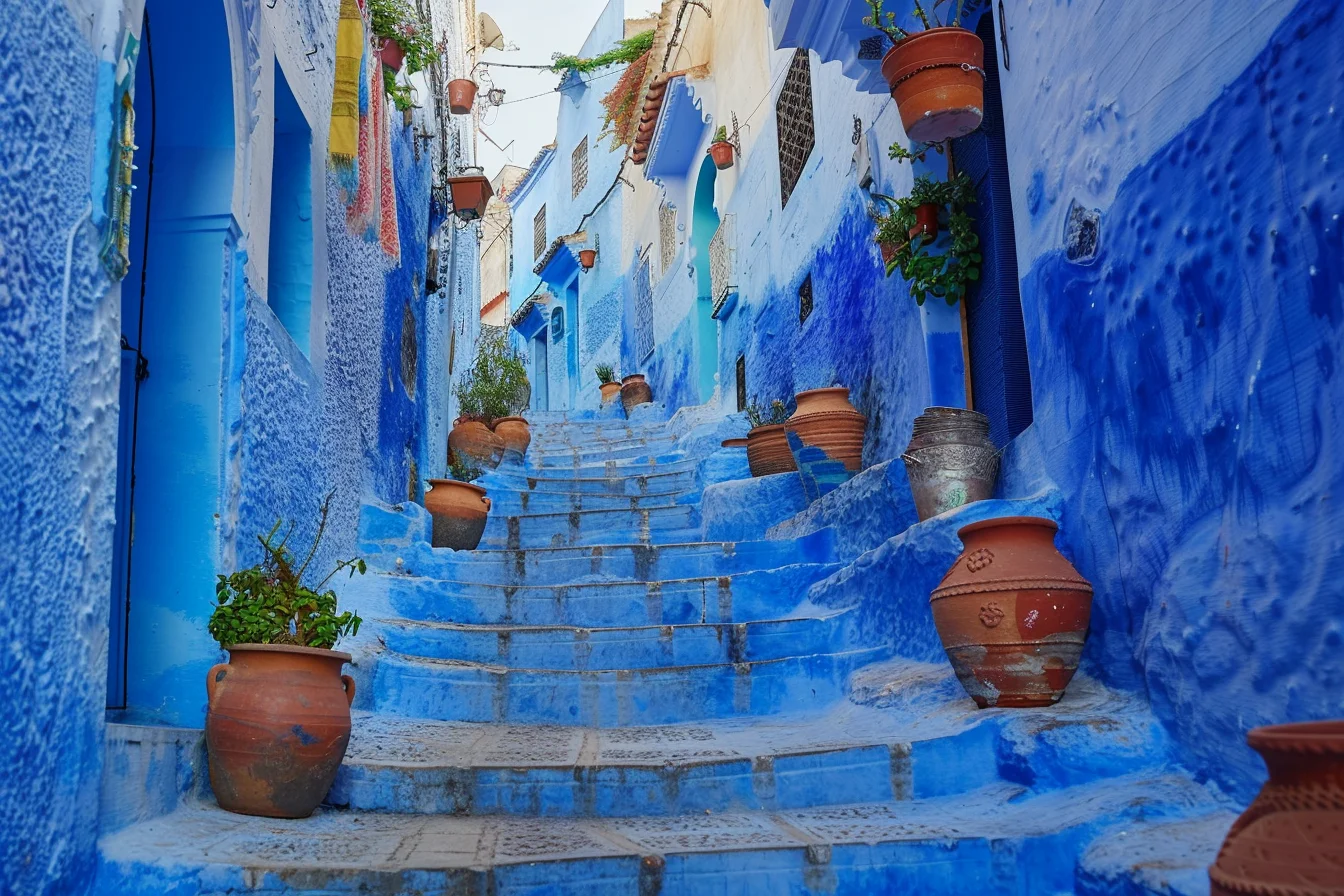
Tagine cooking layers flavors over hours — almonds, argan oil, and preserved butter are added at different stages and rarely appear on the menu.

Groundnut (ditloo) hides unlabeled in morogo and everyday relishes, mopane worm (phane) can cross-react with shellfish, and the fly-in safari camps that define the trip sit hours by light aircraft from the nearest hospital — geography, not cuisine, is what makes Botswana hard.

Padstal biltong has no ingredient list, the 1979 food ordinance has no allergen clause, and ambulance service is privatized and pre-paid — the disclosure gap, not the cuisine, is what makes this trip hard.

Sesame runs through mezze culture — from dips to pastries — and shared plates mean cross-contact is the default, not the exception.

Lupin flour (lupino) extends wheat in Spanish bread, churros batter, and croqueta breading — a legume that cross-reacts with peanut and is invisible to travelers from outside the EU.

Anchovy paste (inćuni) disappears into pašticada sauces and brodet stock bases — the “there is fish in my beef dish” pattern threads the Adriatic coast. Ajvar varies by producer; some brands hide fish.

Salt cod (bacalhau) hides in dishes that don’t read as fish, and nearly every traditional pastry is built on egg yolk — two beloved foods that are structurally allergens disguised by familiarity.

Butter and cream are mounted into sauces as technique rather than filed as ‘dairy,’ almond frangipane hides inside fruit tarts, and Dijon mustard binds nearly every vinaigrette — France hides its allergens inside its craft.

Pine nuts (pinoli) are Consortium-locked into Pesto Genovese DOP — a tree nut you can’t order around — and parmigiano and pecorino appear as assumed seasoning across the Four Roman Pastas. Specificity is the work.

Emulsified sausage (Wurst) reads as meat but is often bound with milk protein, and mustard is worked into sauces as a base flavor — two staples that hide an allergen behind a familiar name.

Aromat — a lactose-bearing seasoning salt — and Bouillon stock powder season Swiss dishes by reflex, hiding milk, celery, gluten, soy and mustard in food that reads as plain. Dairy is structural to the mountain table.


Dashi — the invisible broth base of Japanese cuisine — is a fish-and-kelp stock (usually bonito or sardine), with shellfish and seafood variants. It appears in dishes that look and taste entirely plant-based.

Fish sauce is the salt of Thai cooking — it’s in virtually every savory dish, including those labeled vegetarian at tourist-facing restaurants.

Mole can contain 30+ ingredients including multiple nuts and seeds — the full recipe is often a family secret, not a written list on the menu.

Canada’s Priority Allergen List covers 14 allergens on packaged food — but restaurant disclosure is voluntary, and cross-contact in shared fryers is a persistent gap even in allergy-aware kitchens.