Canada rewards the prepared traveler. Bilingual labeling law, world-class urban emergency medicine, and a dining culture that has broadly internalized allergy accommodation. The gap lies not in the law but in the decade before it: sesame only became a mandatory declared allergen in January 2022, and the kitchens that shape the most popular Canadian dining experiences — the shawarma counter, the bubble tea window, the Korean fried chicken chain, the Japanese-Canadian ramen bar — built their recipes and habits before sesame was anyone’s responsibility to disclose.
🍁 Food & Culture
Canadian cuisine is not one cuisine — it is a vast multicultural dining landscape shaped by waves of immigration that have made Toronto one of the most ethnically diverse cities on earth and Vancouver a Pacific Rim food capital. The Québécois table carries French culinary tradition extending to the sugar shack in March and the bistro counter in Montréal’s Plateau neighbourhood. Eating in Canada with food allergies is not about navigating an unfamiliar cuisine — it is about navigating a patchwork of the world’s cuisines, each with its own invisible allergen logic, operating under a labeling law that changed the rules for sesame only four years ago.
Core Safety Metrics — hover each for full explanation
Overall Allergy Travel Difficulty
4/10
Low-Moderate — strong law, but behavioral lag in fast-casual cuisines
Canada scores 4/10 — the law is strong, English literacy is near-universal, and urban emergency medicine is world-class. The difficulty is behavioral: sesame became mandatory in January 2022 after a decade of kitchen culture built without it as a declared allergen. The gap is most acute at shawarma counters, bubble tea windows, Korean fried chicken chains, and Japanese-Canadian ramen bars. Travelers with sesame allergy face a meaningfully higher risk than the country’s overall score suggests.
Allergen Labeling Law Strength
8/10
Strong — 14 mandatory allergens on packaged food; restaurants exempt
Canada’s SFCR mandates 14 allergens on all prepackaged food — one of the most comprehensive packaged-food labeling regimes in the world. Critically, Canada’s list includes sesame and mustard, which the EU only added in 2023. Canada does not include lupin (which the EU mandates). Zero legal obligation applies to restaurants. Packaged grocery shopping in Canada is among the safest in the world for allergic travelers.1
Kitchen Allergen Awareness
6/10
Good at fine dining; significant gap in fast-casual immigrant cuisines
Canada’s fine dining scene has genuine allergen awareness, and major chains publish detailed allergen charts. The gap is structural in fast-casual immigrant cuisines — shawarma, bubble tea, Korean fried chicken, Japanese-Canadian ramen — where kitchen culture was established before sesame was a mandatory allergen. The worker assembling your order may have learned the recipe before 2022. Naming tahini and sesame oil specifically bridges this gap.
Cultural Modification Flexibility
7/10
High — Canadian dining culture accommodates dietary requests readily
Canadian dining culture has broadly internalized dietary accommodation as a standard service expectation. Requests to modify dishes for allergies are routine at mid-range and above venues. The critical caveat: modification relies on staff knowing what is in the dish. In kitchens where sesame oil is added as a finishing touch from an unlabeled counter bottle, even a willing kitchen cannot guarantee sesame-free without a recipe-level conversation.
Emergency Medical Reliability
8/10
Excellent in urban centres — significant gap in remote and Indigenous communities
Canada’s urban emergency medical system is world-class: 911 response in Toronto, Vancouver, Montréal, and Calgary is fast, and major hospitals have full anaphylaxis protocols. The score does not reflect remote Canada: in Northern Ontario, the Prairie north, northern BC, and the territories, the nearest hospital may be a flight away. Travelers leaving urban corridors should carry a satellite communicator and ensure their epinephrine supply accounts for extended access gaps.2
Difficulty in context — how Canada compares globally4 / 10 Low-Moderate
🇩🇰 Denmark 2🇦🇺 Australia 3🇨🇦 Canada 4🇯🇵 Japan 7🇮🇳 India 9
🍁
On the Ground
Canada’s legal framework is among the best in the world for packaged food. The challenge is the restaurant exemption — and more specifically, the behavioral window between when Canada’s diverse restaurant cultures were built and when sesame became a legal disclosure requirement. Travelers who name tahini and sesame oil explicitly, carry a bilingual card, and understand which venue types carry elevated risk will eat very well, very safely across Canada. Travelers who assume a strong law means complete coverage will eventually encounter the gap.
The sesame question at the shawarma counter: is your card in your wallet?
Generate your Canada allergy card in EnglishGenerate card in English → Create now or FrenchGenerate card in French → Create now with tahini and sesame oil named specifically — not just the allergen category. That specificity is the difference between a question and a collision.
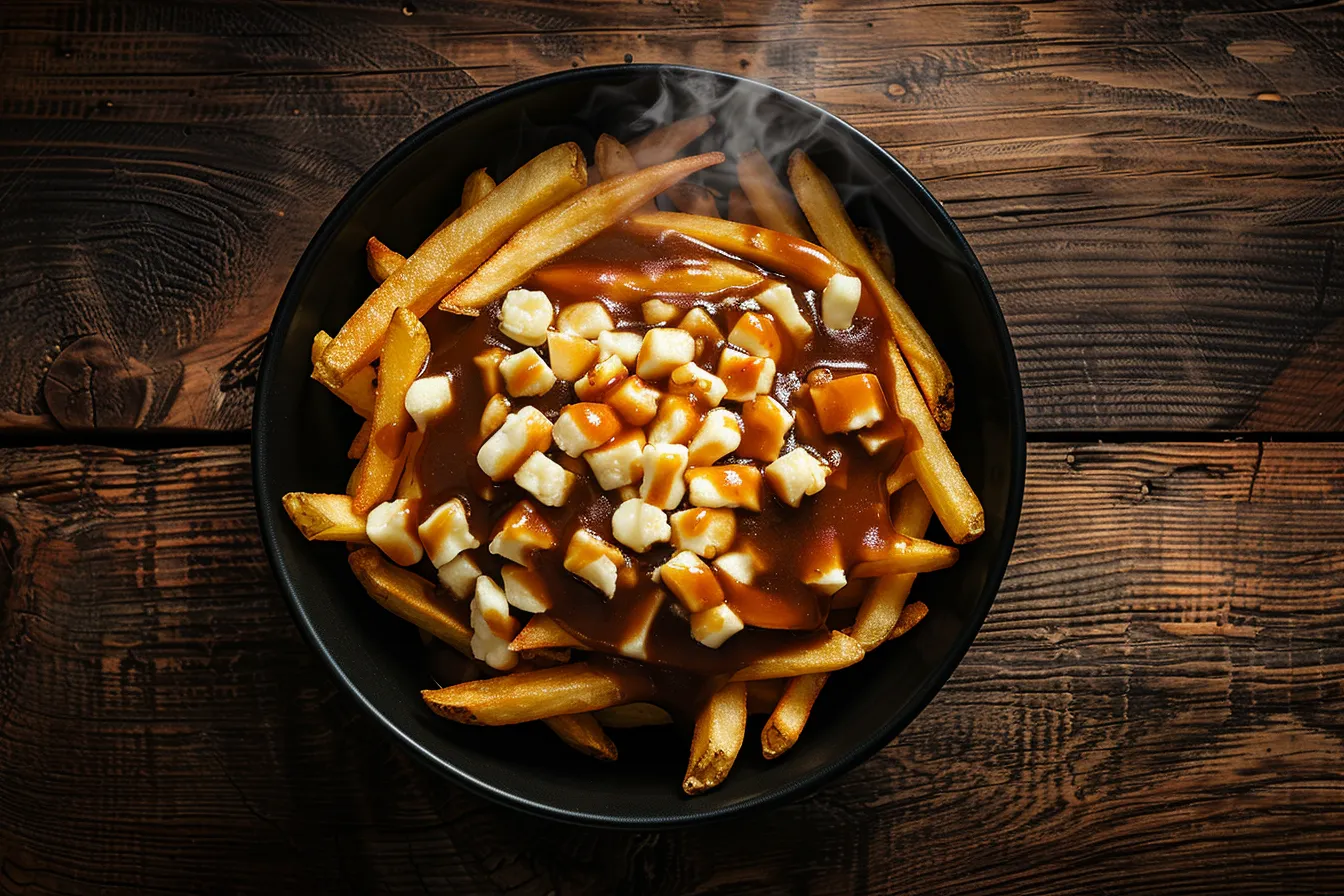
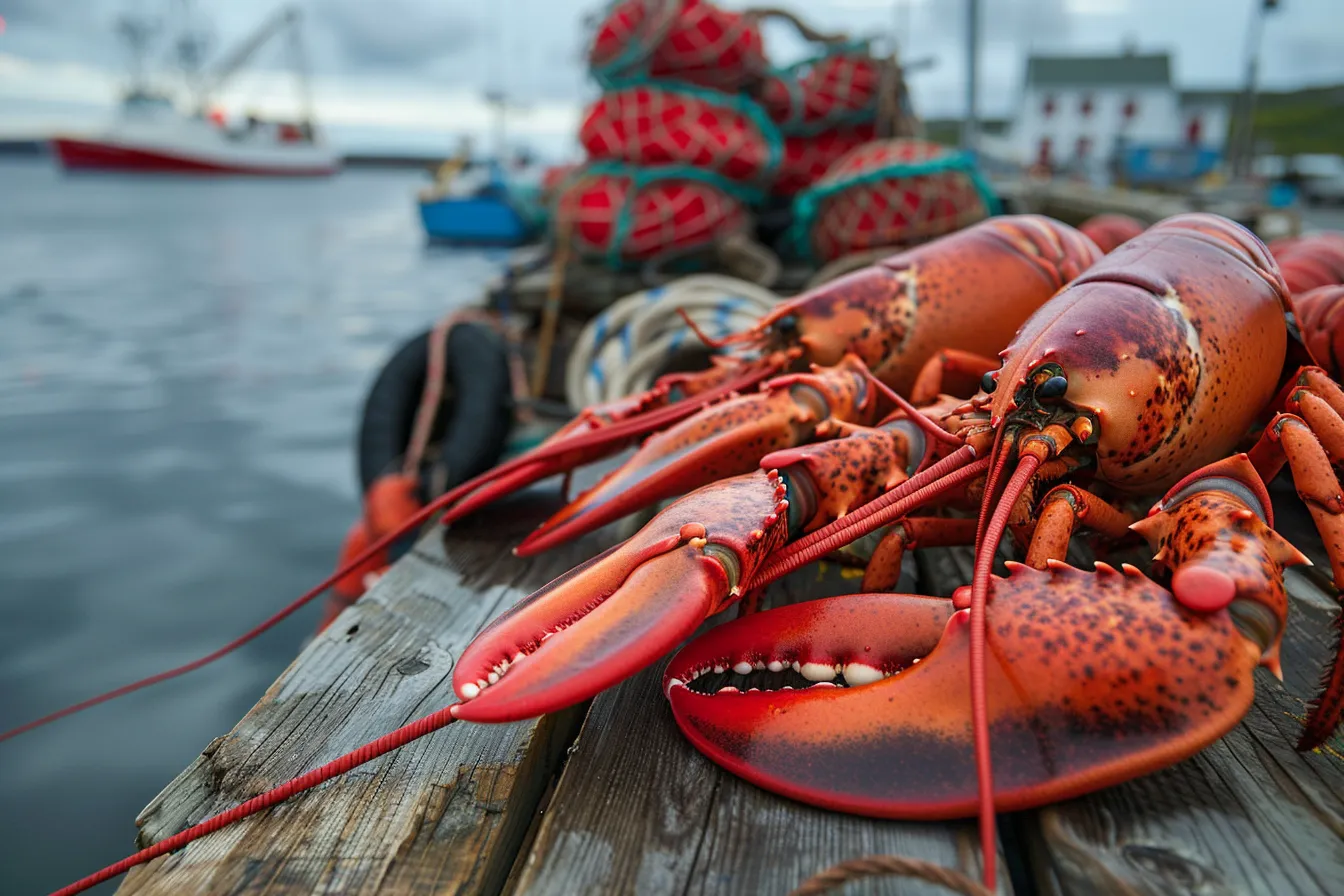
🏔️ Lake Louise, Banff — tap to learn more🍟 Poutine — tap to understand the risk🦞 Lobster haul, Nova Scotia — tap to see the context
Allergen Risk
Allergen Prevalence Index
This index scores two dimensions: supply prevalence (how embedded an allergen is in the cuisine) and hidden risk (how likely it is to appear without disclosure). Canada’s defining editorial fact: sesame scores the highest hidden risk not because it is the most clinically dangerous allergen, but because it only became a mandatory declared allergen under SFCR in January 2022 — meaning the kitchens that use it most heavily built their habits in a world where sesame was nobody’s legal responsibility to disclose.1
Filter by your allergen to highlight relevant rows
Filter by allergen:
Allergen
Supply Prevalence
Hidden Risk
Cross-Contact
Restaurant Risk
Sesame / Tahini / GomaTahini, sesame oil, goma (ごま), til — mandatory since Jan 2022, behavioral lag persists
9
10!
8
10!
⚠ 2022 behavioral lag alert:Sesame became a mandatory allergen under SFCR in January 2022. The kitchens that use it most — shawarma counters, bubble tea shops, Korean fried chicken chains, Japanese-Canadian izakayas — built their recipe habits before this date. The worker assembling your shawarma may know tahini as a sauce, not as an allergen requiring disclosure. Name tahini and sesame oil by product name — not just “sesame allergy”.
Satay cross-contact:Satay sauce and peanut garnishes at Vietnamese, Thai, and Malaysian-Canadian restaurants carry high cross-contact risk from shared wok surfaces. In Vietnamese restaurants, peanut-based condiment containers circulate to tables. Ask to have peanut condiments removed before they reach the table.
Québec small-producer exemption: Artisan maple confections — nut brittles, tire aux noix, mixed pralines — from cabane à sucre operations and farmers market stalls may be produced under reduced SFCR labeling requirements below certain volume thresholds. Ask specifically about tree nuts before purchasing any artisan maple candy that is not a major commercial brand.6
Shellfish / Fruits de merLobster bisque, Maritime chowder, oyster sauce in wok cooking, shrimp paste
8
7!
7
7
Atlantic Canada cream soup rule: In Nova Scotia, PEI, New Brunswick, and Newfoundland, any cream soup at a seafood restaurant should be assumed to be lobster bisque or shellfish-stock based until confirmed otherwise. The default assumption is the opposite of most other regions.
Fish / PoissonNước chấm (fish sauce), Caesar dressing (anchovy), Worcestershire sauce
7
7!
6
7
Nước chấm table default: At Vietnamese-Canadian restaurants, nước chấm (fish sauce dipping sauce) is placed on the table by default before any allergen conversation occurs. Ask that it not be brought to the table. Also: traditional Caesar dressing contains anchovy — ask specifically at pub restaurants and casual dining venues.
Egg / ŒufHollandaise, mayonnaise, Caesar dressing, pastry glaze, pasta dough
8
5
6
6
Soy / SojaSoy sauce in Asian-Canadian kitchens, tofu, edamame, miso
BC and Ontario wine note: Canadian wine is labeled in English and French under SFCR. Sulphite levels in BC Okanagan reds and Ontario Niagara icewines vary by producer — most wine lists do not carry sulphite concentration data. Travelers with sulphite sensitivity should choose wines with certified sulphite-free labeling or confirm with sommeliers at fine dining establishments.
Cuisine
Dish Allergen Map
Canada’s multicultural dining mosaic means no single dish carries the universal allergen risk that dashi carries in Japan or manteca carries in Mexico. The highest allergen risk dishes are those from cuisines that predate Canada’s 2022 sesame mandate — where sesame is structural and the kitchen habit predates the law. Traditional Canadian dishes carry their own well-understood risks: poutine (dairy, wheat), tourtière (wheat, egg), and Maritime chowder (shellfish, dairy).
Dish
Allergens
Hidden Risk Notes
Risk
Shawarmaشاورما — spit-roasted meat in flatbread with tahini, ubiquitous fast-casual
STRUCTURAL (sesame) — Tahini sauce is the defining condiment; it is mixed in bulk and applied to every order. Ordering “no sauce” is the only complete mitigation. The marinade may also contain sesame oil independently of the sauce — ask about both. Kitchen culture at most Canadian shawarma venues predates the 2022 SFCR mandate.
● HIGH
Bubble Tea / Boba珍珠奶茶 — Taiwanese-origin, every major Canadian city
STRUCTURAL (sesame in sesame-flavor variants) — Black sesame bubble tea contains sesame as the primary flavor. Equipment sharing between sesame and non-sesame orders is plausible at high-volume shops. Avoid black sesame variants entirely if sesame-allergic. Fruit tea base with no milk and no sesame additions is the safest route.
● HIGH
Korean Fried Chicken한국 치킨 — yangnyeom chicken, nationwide chains
STRUCTURAL (sesame) — Yangnyeom sauce contains sesame oil and sesame seeds. The finishing sesame oil step may not be communicated by staff because this kitchen culture predates 2022. Ask specifically: “Is sesame oil used anywhere in the kitchen as a finishing step, not just in the sauce?”
● HIGH
PoutineQuébec origin — fries, cheese curds, brown gravy, nationwide
STRUCTURAL (dairy) — Cheese curds are the defining ingredient; no dairy-free version of traditional poutine exists. Gravy is typically wheat-thickened but some commercial bases use cornstarch — ask if wheat is your allergen. For dairy allergy: poutine is inaccessible.
● HIGH
Pad Thaiผัดไทย — most-ordered dish at Thai-Canadian restaurants
PEANUT (GARNISH — STRUCTURAL AS SERVED)FISH (FISH SAUCE)EGG (INCIDENTAL)
STRUCTURAL (peanut as served, fish sauce) — Crushed peanuts are applied at the plate stage. Fish sauce is structural to the sauce and cannot be substituted in traditional preparation. For fish allergy: pad Thai is inaccessible without full recipe substitution.
● HIGH
Ramen (Japanese-Canadian)ラーメン — growing Canadian restaurant segment
SESAME (TARE + GOMA OIL)WHEAT (NOODLES)SOY (TARE)
STRUCTURAL (sesame, wheat, soy) — Goma (ごま) oil is frequently added as a finishing drizzle that may not be disclosed. Ask specifically whether sesame oil (goma abura / ごま油) is used anywhere in the broth or finishing process — this is the question that catches the behavioral lag.
● HIGH
Maritime ChowderAtlantic Canada — clam or lobster chowder, cream base
STRUCTURAL (shellfish, dairy) — Maritime chowder is shellfish stock — not cream soup with shellfish pieces. Every spoonful carries shellfish protein. For shellfish allergy in Atlantic Canada: any cream soup should be confirmed shellfish-free before ordering.
● HIGH
TourtièreQuébec meat pie — ground pork in pastry crust, holiday staple
STRUCTURAL (wheat) — The pastry crust is wheat-based; the pie is the crust. For egg allergy: ask whether egg wash is used on the pastry exterior and whether egg appears in the filling recipe. For wheat allergy: tourtière is inaccessible.
● MODERATE
PhởPhở — Vietnamese beef noodle soup, staple at Vietnamese-Canadian restaurants
FISH (FISH SAUCE — INCIDENTAL)WHEAT (CHECK NOODLE TYPE)
INCIDENTAL (fish, wheat) — Traditional phở noodles are rice-based (safe for wheat allergy — confirm). Fish sauce may be added to broth at Canadian Vietnamese restaurants. The primary intervention: ask that nước chấm not be placed on the table, and confirm noodle type. Phở is one of Canada’s most manageable Vietnamese dishes for most allergic travelers once the condiment question is addressed.
● MODERATE
Butter TartDistinctly Canadian pastry — butter, sugar, egg filling, often with nuts
STRUCTURAL (dairy, egg, wheat) — For tree nut allergy: walnut and pecan variants are common; the “plain” raisin version exists but is often baked in the same facility. Ask specifically about the production facility at artisan bakeries. Major grocery chain butter tarts carry full SFCR labeling.
● MODERATE
Geography
Regional Allergen Risk Map
Canada’s regional allergen picture divides into urban and remote, not East and West. Toronto, Vancouver, and Montréal share the highest allergen complexity — driven by multicultural restaurant density — and the best medical infrastructure. The Maritimes carry high shellfish density with strong local awareness. Northern Canada and remote Indigenous communities have the most severe medical access gap for epinephrine. The regional insight is infrastructure gradient, not cuisine tradition.
Loading map…
Hover a province for allergen detail · click to build your card
🌊 British Columbia MODERATE
Vancouver is Canada’s Pacific Rim food capital — the highest density of Japanese, Korean, Chinese, and Vietnamese restaurants in the country. The sesame, peanut, and fish sauce risk concentration is the highest in Canada. World-class hospital infrastructure in Vancouver. Remote North and Interior BC carries medical access gaps equivalent to northern Ontario.
↑ Sesame (Japanese-Canadian, Korean-Canadian) · Peanut (Thai, Malaysian) · Fish sauce (Vietnamese) · Shellfish (Pacific coast) · ⚠ BC Interior: 2hr+ from hospital
🛢️ Alberta LOW-MODERATE
Calgary and Edmonton have growing Asian restaurant corridors with sesame and peanut risk comparable to other major cities. Traditional Alberta beef culture means steakhouses and BBQ dominate mid-range dining — relatively low allergen complexity. The Middle Eastern restaurant sector is substantial; the shawarma sesame behavioral lag applies equally here.
Prairie cuisine is Canada’s most traditional — perogies, borscht, cabbage rolls, Ukrainian and Mennonite baking, beef and grain production. The allergen profile is relatively transparent: wheat, dairy, and egg are structural but labeled and generally visible at restaurants. Rural Saskatchewan can be 1–2 hours from a hospital.
↑ Wheat (perogies, baking) · Dairy · Egg · Rural: 1–2hr from major hospital
🏙️ Ontario MODERATE
Toronto is among the most ethnically diverse cities on earth. Scarborough and Mississauga are dense Asian restaurant corridors. The sesame behavioral lag risk is high across all fast-casual immigrant cuisines. World-class hospital infrastructure across the GTA. Northern Ontario has a genuine medical access gap — fly-in communities exist north of Sudbury.
↑ Sesame (GTA shawarma, bubble tea, Korean, Japanese) · Peanut (Vietnamese, Thai, Malaysian) · ⚠ Northern Ontario: medical gap
🍁 Québec MODERATE
French card carries direct utility here. Montréal has celebrated shawarma culture and full multicultural dining complexity. Small-producer maple confection labeling exemptions at cabane à sucre and farmers markets are a specific gap for tree nut and peanut-allergic travelers.
Atlantic Canadian food culture built around lobster, clams, salt cod, and chowder. Shellfish awareness is exceptionally high — the culture knows its seafood. The risk: any cream soup at an Atlantic seafood restaurant should be treated as shellfish-stock based until confirmed otherwise.
↑ Shellfish (lobster, clams) · Fish · Dairy (cream chowder) · Every cream soup is a shellfish question
⚠️ Northern Canada HIGH
Yukon, Northwest Territories, Nunavut, and the northern reaches of most provinces carry Canada’s most significant medical infrastructure gap. The nearest hospital in many areas of Nunavut is accessible only by air. Carry two EpiPens minimum and a satellite communicator. Traditional food (bannock, char, caribou) is low-allergen complexity.
⚠ Medical access gap is the dominant risk · Air medevac primary transport in Nunavut · Carry two EpiPens minimum
Where to Eat
Venue Safety Profile
Canada’s venue landscape spans world-class fine dining with full written allergen protocols to remote highway roadhouses with no allergy infrastructure. The structural gap is in the fast-casual immigrant cuisine tier — shawarma counters, bubble tea windows, Korean fried chicken chains, and Japanese ramen bars — where kitchen culture was built before sesame became a mandatory allergen. These venues are not unsafe by attitude; they are operating with habits that predate the law.
Higher Risk
Lower Risk
🛣️Remote Highway Roadhouse / Northern Gas Station Restaurant
Outside major cities and along highway corridors, food service venues range from adequate to no allergy awareness at all. Gas station restaurants, highway diners, and remote lodge kitchens may have no allergy-trained staff, no menu flexibility, and no access to ingredient documentation. In Northern Canada, this may be the only food service available for hours of driving. Pack sufficient safe food for any remote travel segment.
Pack enough safe food to cover your expected remote travel time with a 50% buffer for delays. In northern and remote Canada, the nearest alternative venue may be 2+ hours away.
HIGHEST
🥙Shawarma Counter / Middle Eastern Fast Casual
Shawarma counters are the highest sesame-risk venue type in Canadian dining. Tahini sauce is applied in bulk from a container to every wrap and plate. The worker assembling your order learned to make shawarma in a kitchen culture that predates the 2022 SFCR sesame mandate. Sesame seeds are frequently present on the flatbread as well. Ordering a plate on rice with no sauce at all is the only route to sesame avoidance — and even then, confirm the meat marinade does not contain sesame oil.
Name tahini specifically — not just “sesame”. Ask about sesame oil in the marinade separately from the sauce. Order as a plate on rice with no sauce if sesame is your allergen.
HIGH
🫕Asian Fast Casual (Bubble Tea, Korean Fried Chicken, Ramen, Poke)
This broad category — bubble tea shops, Korean fried chicken chains, ramen bars, and poke bowl restaurants — collectively represents the highest sesame behavioral lag risk in Canadian dining. These kitchens use sesame oil as a finishing ingredient, sesame paste in sauces and bases, and sesame seeds as garnishes. The 2022 SFCR mandate changed their legal obligation; it did not change the recipes their staff learned. English communication is reliable at front-of-house; whether the kitchen worker understands the sesame oil question is variable.
Ask the specific question: “Is sesame oil used anywhere in the kitchen as a finishing step, not just as part of the named sauce?” This is the question that catches the most behavioral-lag exposures.
HIGH
🍜Vietnamese Restaurant (Phở, Bánh Mì, Spring Rolls)
Vietnamese-Canadian restaurants present a clear and manageable allergen profile once the table condiment step is addressed. Nước chấm (fish sauce dipping sauce) is placed on the table as a default. Phở noodles are rice-based in traditional preparation. The primary intervention: ask that nước chấm not be placed on the table and confirm the dishes you are ordering do not contain it as a hidden ingredient.
Ask to not receive nước chấm on the table. Confirm phở noodles are rice (not wheat). Ask whether fish sauce is added to the broth beyond the base stock.
MODERATE
🍺Canadian Pub / Sports Bar / Casual Dining
Canadian pubs and casual dining venues represent moderate allergen risk. Major chains (Boston Pizza, East Side Mario’s, Montana’s) publish allergen charts. Primary risks are shared fryer oil for beer-battered items, Caesar salad anchovy (housemade versions), and undisclosed dairy in sauces. Kitchen allergen training varies considerably by location.
Ask about the Caesar dressing specifically — many pubs use housemade versions containing anchovy that are not labeled on the menu. Confirm shared fryer use if ordering fried items.
MODERATE
🍔National Chain Restaurant (Tim Hortons, Harvey’s, Swiss Chalet, The Keg)
Major Canadian restaurant chains publish detailed allergen charts accessible online and in-venue. Tim Hortons publishes allergen information for all baked goods. Harvey’s and Swiss Chalet publish full ingredient lists. The Keg provides allergen information for its steak and seafood menu. Cross-contact disclaimers are standard on chain menus. Chains are the most predictable option for travelers who want certainty without a kitchen negotiation.
Look up the allergen chart online before arriving — most Canadian chains publish them and it takes 2 minutes. Check for shared fryer cross-contact disclaimers.
LOW
🛒Grocery Store / Packaged Food (Loblaws, Sobeys, Metro, Costco)
Canadian grocery shopping is among the safest in the world for allergic travelers. SFCR mandates 14 allergens on all prepackaged food. Major chains carry full SFCR-compliant labeling. “May contain” advisory statements are voluntary but widely used. Allergen-free certified products are widely available in urban centres. The small-producer exemption applies to farmers market and artisan products, not to major grocery chain products.
Canada’s grocery store labeling is excellent — this is where the SFCR does its strongest work. Self-catering from Canadian grocery stores is a strong safety strategy for travelers with multiple allergies.
LOWEST
🍽️Fine Dining Restaurant
Canada’s fine dining scene — Toronto (Alo, Canoe), Vancouver (Hawksworth, Published on Main), Montréal (Joe Beef, Toqué) — maintains written allergen records, trains front-of-house staff on allergy communication, and will genuinely modify menus with advance notice. The tasting menu format requires advance communication at booking. Calling ahead and naming your allergens specifically, including tahini and sesame oil, produces reliable outcomes.
Advance notice at booking required — contact the restaurant directly. Name each allergen explicitly including tahini and sesame oil, not just the category.
LOWEST
Tim Hortons as a reliable fallback: Tim Hortons is Canada’s most ubiquitous fast food chain — present at highway rest stops, hospitals, airports, shopping centres, and small towns across every province. Tims publishes a full allergen chart online and in-venue on request. For travelers who need a reliable fallback in an unfamiliar location, Tim Hortons with allergen chart in hand is a reasonable safety strategy. Sesame-allergic note: confirm sesame content for bagels and specific baked items — some seasonally vary.
⚠ Farmers market and artisan producer labeling gap: Small-volume producers at farmers markets, cabane à sucre events, and artisan food fairs may operate under reduced SFCR labeling requirements. Products may not carry the same allergen specificity as major commercial brands. Ask about tree nuts, peanuts, and sesame specifically before purchasing from artisan food stalls — especially maple candy, nut brittle, baked goods, and flavored preserves.6
Dining Etiquette
Communication & Etiquette for Allergic Travelers
Canadian dining culture is among the most accommodating in the world for dietary requests — allergy communication is normalized, waitstaff are generally trained to take it seriously, and modification requests are expected rather than exceptional. The gap is in the translation from front-of-house awareness to kitchen knowledge about specific ingredients. Naming tahini and sesame oil explicitly, not just “sesame allergy”, is the single most important communication upgrade available to sesame-allergic travelers in Canada.
🎯
Name the Ingredient, Not Just the Allergen
Saying “I have a sesame allergy” at a shawarma counter communicates the allergen category. Saying “I cannot have tahini or sesame oil — can you confirm neither is in my order including the marinade?” communicates the specific risk in terms the kitchen will act on. Canada’s multicultural restaurant culture means kitchens know their ingredients by product name — tahini, goma oil, nuoc cham — not by allergen category. Your card and your verbal communication should name both the allergen and the local product name.
🪑
Flag Your Allergy Before You Sit Down
At Canadian casual dining and fast-casual venues, some allergen exposures arrive at the table before any order conversation — a complimentary bread basket, a table condiment, a default dipping sauce. At Vietnamese restaurants, nước chấm (fish sauce) is placed on the table. At some Middle Eastern venues, a small tahini dip may arrive with bread. Flagging your allergy to the first person who greets you — before you sit, before you look at the menu — prevents these pre-order exposures.
🗣️
French Communication in Québec
In Québec, particularly outside Montréal’s central tourist areas, a French-language allergy card is meaningfully more effective than an English one. Many kitchen workers in Québec are more comfortable in French, and Québec’s OLFQ requires bilingual labeling on products — meaning French allergen terminology is already embedded in the food supply chain Québec kitchens work with. For any restaurant in Québec City, the Eastern Townships, or regional towns, present the French card first.
📋
Chain Allergen Charts Are a Real Resource
Canadian chain restaurants — Tim Hortons, Harvey’s, Swiss Chalet, McDonald’s Canada, A&W, Subway Canada — publish allergen charts that comply with SFCR. These charts are online and available in-venue on request. Before arriving at a chain location in an unfamiliar city, a 90-second check of the chain’s allergen chart will tell you exactly what is and is not safe. This is not settling for chain food — it is using a resource that genuinely reduces uncertainty.
📅
Advance Notice at Fine Dining Is Non-Negotiable
At Canada’s fine dining and tasting menu restaurants, menus are planned in advance. A table that notifies the restaurant of a serious allergy at booking — not at arrival — allows the kitchen to genuinely accommodate: substituting a course, sourcing an alternative ingredient, isolating preparation. Calling the restaurant directly (not messaging through OpenTable) and speaking with a manager or chef is the most reliable path.
💡
Make Sure the Card Reaches the Kitchen
At any fast-casual or counter-service venue, your allergy card must reach the person actually cooking your food — not stop at the front counter. The server who takes your card may not be the person who handles the sesame oil bottle. When handing your card, ask directly: “Can you take this card to the person who is cooking my food and show it to them?” In Québec: “Pouvez-vous apporter cette carte à la personne qui prépare ma nourriture?”
Languages
Languages Spoken
Canada’s two official languages — English and French — both reach kitchen staff effectively at the national level. In the restaurant corridors where sesame behavioral lag is highest (Asian fast-casual, Japanese ramen, Korean fried chicken), kitchen workers may be more comfortable in Mandarin, Cantonese, Korean, or Punjabi than in English. The card must reach the person cooking your food, not stop at the front counter.
Card strategy for Canada: English covers the vast majority of Canadian venues. French is essential in Québec. For maximum safety in Asian fast-casual corridors in Toronto and Vancouver — where the sesame behavioral lag risk is highest — a Mandarin or Cantonese card alongside English is the more reliable tool. French carries direct label-reading utility in Québec under the OLFQ bilingual labeling requirement.
Nationwide — all venue types. Official language across all provinces and territories.
All front-of-house communication. In Asian-cuisine corridors, front-of-house may be more fluent than kitchen staff — always ask that your card be taken to the person cooking.
Québec province — Montréal, Québec City, Eastern Townships, regional towns. Also Francophone communities in New Brunswick, Ottawa-Gatineau, Northern Ontario.
Kitchen staff in Québec outside Montréal city centre. SFCR requires bilingual English/French allergen labeling — French allergen terms are embedded in the food system Québec kitchens already work with.
Toronto (Scarborough, Markham, Richmond Hill), Vancouver (Richmond, Burnaby), Calgary, Edmonton.
Kitchen workers in Chinese-Canadian restaurants frequently operate primarily in Mandarin. No card currently — high kitchen penetration in this sector. A Mandarin card alongside English is the most reliable tool in dense Toronto/Vancouver corridors.
Toronto (Scarborough, North York), Vancouver (Richmond, Burnaby, Chinatown). Older-generation Chinese restaurant kitchens.
Older-generation kitchen staff at Cantonese-heritage Chinese restaurants skew Cantonese over Mandarin. No card currently — meaningful kitchen penetration in this specific venue type.
Remote First Nations communities in Northern Ontario, Manitoba, Saskatchewan, Alberta, northern Québec.
Low commercial kitchen penetration. SFCR-labeled packaged food operates in English and French in these communities. Documents access gap for travelers visiting remote communities. No card.
Anishinaabe First Nations communities, Ontario, Manitoba, Saskatchewan — Great Lakes region.
Documents cultural-linguistic reality; commercial food systems operate in English and French. The access gap is medical infrastructure, not language in the commercial food system. No card.
~0.2%
Communication
Essential Safety Phrases
Canada’s bilingual context means the most important phrases exist in both English and French. Sesame-specific phrasing is prioritized because the 2022 behavioral lag gap is where communication precision matters most. The most consequential question in Canada is not “do you have sesame?” but “is there sesame oil in the marinade or finishing step — separately from the sauce?”
Scenario 01
Declaring Your Allergy
ENAll venues
I have a severe allergy to [allergen]. Eating it can be life-threatening — please make sure none is in my food.
Direct English declaration — state the specific allergen name
FRQuébec
J’ai une allergie grave au/à la [allergène]. Cela peut mettre ma vie en danger — veuillez vous assurer qu’il n’y en a pas dans mes aliments.
zhay oon ah-lair-ZHEE grav oh/ah la [ah-lair-ZHEN]. suh-la puh met-truh ma vee on don-ZHAY
I have a severe allergy to [allergen]. This can be life-threatening — please ensure there is none in my food.
Scenario 02
Asking About Sesame — The Critical Question
ENSesame — critical
I am allergic to sesame. That includes tahini, sesame oil, and sesame seeds. Can you confirm there is no tahini or sesame oil in my food — including in the marinade or any sauce it was cooked with?
The most important sesame phrase in Canada — names the behavioral lag gap directly
FRSésame — Québec
Je suis allergique au sésame. Cela inclut le tahini, l’huile de sésame et les graines de sésame. Pouvez-vous confirmer qu’il n’y a pas de tahini ni d’huile de sésame dans mon repas — y compris dans la marinade?
I am allergic to sesame. This includes tahini, sesame oil, and sesame seeds. Can you confirm there is no tahini or sesame oil in my meal — including in the marinade?
Scenario 03
At the Shawarma Counter
ENShawarma — sesame critical
I have a sesame allergy — I cannot have any tahini sauce, sesame seeds, or sesame oil. Can I have the meat on rice with no sauce at all, and can you check whether the marinade on the meat contains sesame or sesame oil?
Covers both the sauce and the marinade — the two separate sesame exposure points at shawarma counters
Scenario 04
Removing Fish Sauce at a Vietnamese Restaurant
ENVietnamese restaurant
I have a fish allergy. Please don’t put the dipping sauce on the table — that’s fish sauce. Can you also confirm whether fish sauce is added to the broth or any of the dishes I’m ordering?
Addresses the nước chấm table default before it arrives
Scenario 05
Making Sure the Card Reaches the Kitchen
ENAll fast-casual venues
Can you take this card to the person who is actually cooking my food — not just the counter — and show it to them directly?
Ensures the card reaches the kitchen, not just the order taker
FRQuébec
Pouvez-vous apporter cette carte à la personne qui prépare réellement ma nourriture — pas seulement au comptoir — et la lui montrer directement?
poo-vay-voo ah-por-TAY set kart ah la pair-SON kee pray-PAR ray-el-MON ma noo-ree-TYOOR
Can you bring this card to the person who is actually preparing my food — not just to the counter — and show it to them directly?
Scenario 06
Emergency — Anaphylaxis
ENEmergency
Call 911. I am having a severe allergic reaction. I need my EpiPen — it’s in my bag. Please inject it into my outer thigh now.
911 is universal nationwide — works in all provinces and territories
FRUrgence
Appelez le 911. Je fais une réaction allergique grave. J’ai besoin de mon EpiPen — il est dans mon sac. Veuillez l’injecter dans ma cuisse externe maintenant.
Call 911. I am having a severe allergic reaction. I need my EpiPen — it’s in my bag. Please inject it into my outer thigh now.
Health Canada publishes an official list of the 14 priority allergens under SFCR, available at canada.ca in both English and French. canada.ca → Food Allergies
Pronunciation Reference
Allergen Phonetic Glossary
How to say key allergen names in English and French — useful when speaking with kitchen staff across Canada’s two official languages. Always prefer a printed card so staff can read the terms directly.
Card tip: French allergen terms on your card carry direct label-reading utility in Québec — SFCR requires bilingual English-French allergen declaration on all prepackaged food sold in Canada, so Québec kitchen staff encounter these French terms on every product they handle.
Pre-Trip Preparation
Allergy-Specific Packing List for Canada
Canada is a well-supplied country for allergy essentials — EpiPens are available at pharmacies, antihistamines are over-the-counter, and safe food options are accessible in all major cities. The packing priorities differ for urban versus remote travel. Urban Canada requires the communication card stack and allergen-chart homework. Remote Canada requires sufficient medical and food supplies to bridge access gaps that can be hours long.
💊 Medical Essentials
✓
Two epinephrine auto-injectors — always carry two; one may be used before a second reaction
✓
Antihistamines (cetirizine or similar) for mild reactions — available over-the-counter at all Canadian pharmacies
✓
Doctor’s letter confirming allergy and prescription — for customs on arrival from international flights
✓
Oral corticosteroids if prescribed for severe reactions
✓
Bilingual anaphylaxis action plan — English and French; emergency number is 911 nationwide
✓
Keep EpiPens in original pharmacy packaging with your name on the label — no Canadian import restriction but standard customs practice
🪪 Communication Tools
✓
Prepared Travel English allergy card — phone format for show, wallet format to leave with kitchen
✓
Prepared Travel French allergy card — essential for any Québec travel beyond Montréal city centre
✓
Card must name tahini and sesame oil by product name — “sesame allergy” alone does not address the behavioral lag in shawarma and Asian fast-casual venues
✓
Download allergen charts for major Canadian chains before you travel — Tim Hortons, Harvey’s, Swiss Chalet, McDonald’s Canada publish them online
🏕️ Remote & Wilderness Travel
✓
Satellite communicator (Garmin inReach or equivalent) for any backcountry, wilderness, or remote highway travel — 911 may not function without cell service
✓
Sufficient safe food for your expected remote travel time plus 50% buffer for delays — highway roadhouses and remote stores have limited options
✓
Third EpiPen for extended remote travel — in remote Northern Canada, medical access may be a multi-hour flight; a third device provides meaningful additional safety margin
✓
Written emergency action plan that includes your nearest hospital at each stage of your itinerary — pre-research this before you leave urban areas
🛒 Safe Food Strategy
✓
Canadian grocery chains (Loblaws, Sobeys, Metro, Costco, Walmart Canada) carry full SFCR-labeled products — safe grocery shopping is among the easiest in the world
✓
Free-From certified products are widely available in urban Canadian supermarkets — look for dedicated allergen-free lines at Loblaws (No Name, President’s Choice free-from)
✓
For sesame allergy: pre-research safe options at your destination city before arriving — save screenshots of chain allergen charts for offline reference
✓
Winter travel note: Do not store EpiPens in a vehicle overnight in Prairie provinces or Northern Canada — temperatures can reach -30°C or below; epinephrine degrades with cold
Contextual Intelligence
Eating at the Edge: Remote, Wilderness & Seasonal Dining
Canada is one of the world’s great outdoor destinations — national parks, ski resorts, backcountry trails, and a summer patio culture that runs from Halifax to Victoria. Each of these contexts creates a distinct allergen environment that doesn’t fit neatly into the restaurant-safety playbook. The lodge at the end of a backcountry trail, the ski hill cafeteria, the summer farmers market, the hockey arena concession — these are the dining situations Canada produces that no other country quite replicates.
🏔️
The further you go from a city, the further you go from an allergen chart
Canada’s great paradox for food-allergic travelers: the experiences most worth having — the backcountry hut meal after a day of hiking in Banff, the seafood shack on a PEI harbour, the sugar shack outside Québec City in March — are precisely the dining contexts furthest from written allergen documentation, chain restaurant charts, and 10-minute ambulance response. Canada rewards adventurous travel. It requires that your preparation be proportional to your adventure.
Canada’s major ski resorts operate some of the country’s busiest and most allergen-complex food service environments. Whistler Blackcomb, Lake Louise Ski Resort, and Mont-Tremblant serve thousands of meals per day across on-mountain cafeterias, mid-mountain lodges, and village restaurants. The on-mountain cafeteria tier — hot food prepared in volume, served fast, with limited ingredient documentation — carries the highest hidden allergen risk of any ski resort dining context. Tree nuts in granola and trail mix bars, dairy in every hot drink, and shared preparation surfaces across high-volume formats are the primary exposure vectors. The village restaurant tier has much stronger allergen awareness and advance booking options.
Strategy: Book village restaurants with advance allergy notice rather than relying on mountain cafeterias. Pack your own safe snacks for on-mountain breaks — a protein bar with known ingredients is safer than a cafeteria line. At Mont-Tremblant, request French-language service to reach kitchen staff more reliably.
🏕️
Backcountry Huts & Wilderness Lodges
Parks Canada and provincial park operators maintain backcountry huts and wilderness lodges throughout the Rockies, Laurentians, and coastal BC. Some are fully staffed and serve meals; others are self-catering. The allergen environment at a staffed backcountry lodge is essentially that of a remote kitchen with no supply chain flexibility — ingredients are flown or packed in, menus are fixed weeks in advance, and substitution options are limited. The risk is not attitude — wilderness lodge operators take guest safety seriously. The risk is logistics: if your allergen is present in the week’s pre-packed menu, there may be no alternative available. Always disclose allergies at the time of booking, in writing, and confirm the kitchen’s ability to accommodate before departure. The medical emergency context is the more serious consideration: in remote wilderness settings, the nearest hospital may be a helicopter ride.
Non-negotiable for remote wilderness dining: Two EpiPens minimum, a written emergency action plan shared with your guide, and a satellite communicator capable of initiating air medevac. Disclose at booking — not at the trailhead.
🦞
Maritime Seafood Shacks & Lobster Suppers
PEI’s church lobster suppers, Nova Scotia’s harbour-side seafood shacks, and New Brunswick’s roadside chowder houses are among the most culturally specific dining experiences in Canada — and among the most allergen-concentrated. The Maritime seafood supper format is family-style: a set menu, served communally, with lobster, clam chowder, steamed mussels, and seafood-based sides arriving in sequence. Cross-contact from shared serving vessels, shellfish steam in open kitchens, and the expectation that everyone is eating the same thing make this format particularly challenging for shellfish-allergic travelers. That said — the culture knows its seafood, and Maritime hospitality is genuinely warm. A clear, early declaration of shellfish allergy at a church lobster supper will be taken seriously.
Shellfish steam risk: At lobster boil operations, steam from live lobster cooking carries shellfish protein. For highly sensitive shellfish-allergic travelers, proximity to the cooking station is a risk factor independent of what is on your plate. Seat yourself away from the kitchen if possible and confirm with the operator before arrival.
🏒
Hockey Arenas & Stadium Concessions
The NHL arena experience is one of Canada’s most distinctive cultural rituals — an evening at Rogers Centre (Toronto), Bell Centre (Montréal), Rogers Arena (Vancouver), or Scotiabank Saddledome (Calgary) is genuinely Canadian in a way that few venues match. Arena concession food — hot dogs, pretzels, nachos, poutine, beer — is high-volume, fast-prepared, and allergen-opaque. The major Canadian arenas have begun publishing allergen information for main concession items, but the variability between vendors within the same arena is significant. Dedicated allergen-friendly concession stands exist at some venues; check the arena’s website before the game. The better approach: eat a safe meal before the game and treat arena food as a known-risk environment. A beer and a pretzel is a manageable allergen conversation. A nacho platter from a busy vendor six rows up is not.
Pre-game strategy: Eat before you go. Check the arena’s dedicated allergen-friendly concession locations on their website. At Bell Centre specifically, French is the operational language — bring your French card for any kitchen-adjacent conversation.
Emergency
Emergency Infrastructure
Canada has world-class emergency medical infrastructure in its urban centres — 911 response in Toronto, Vancouver, Montréal, Calgary, and Ottawa is fast, and major hospitals have full anaphylaxis protocols. The gap is geographic: in remote Northern Canada, the Northwest Territories, Nunavut, and the sparsely populated interior of most provinces, emergency medical access may require air transport. Travelers leaving urban corridors should pre-research their nearest emergency facility.2
911
Ambulance, Fire & Police — Universal Nationwide
911 is universal across all Canadian provinces and territories. Response times in major cities (Toronto, Vancouver, Montréal, Calgary) typically under 10 minutes. In rural areas, response time varies significantly. In remote North, air medevac is the primary emergency transport option. Also try 112 on cellular networks if 911 does not connect in a dead zone.
Provincial health information lines — Health811 (Ontario), HealthLink811 (BC), Info-Santé 811 (Québec) — provide 24-hour nurse advice in English and French for non-emergency allergy situations requiring medical consultation. For acute anaphylaxis: call 911 immediately.
Remote Canada warning: In Nunavut, Northwest Territories, Yukon, and remote northern Ontario and BC, the nearest hospital may be accessible only by air. Air medevac response is measured in hours, not minutes. Carry a satellite communicator for any backcountry or remote travel. Share your emergency plan with your travel companion before leaving urban infrastructure.2
Toronto General Hospital
200 Elizabeth Street, Toronto, Ontario M5G 2C4
Full emergency capability. One of Canada’s leading academic hospitals. English-language emergency care. Best first choice for serious anaphylaxis in downtown Toronto.
Toronto · Academic
The Hospital for Sick Children (SickKids)
555 University Avenue, Toronto, Ontario M5G 1X8
Canada’s premier pediatric hospital. Full emergency capability for children. World-leading pediatric allergy research unit. For adults, Toronto General is more appropriate for anaphylaxis.
Toronto · Pediatric
Vancouver General Hospital
899 West 12th Avenue, Vancouver, BC V5Z 1M9
Full emergency capability. Vancouver’s largest hospital. English-language emergency care. Best first choice for serious anaphylaxis in Metro Vancouver.
Vancouver · Academic
Montréal General Hospital (McGill MUHC)
1650 Cedar Avenue, Montréal, Québec H3G 1A4
Full emergency capability. Bilingual English/French emergency care. McGill MUHC is Montréal’s leading English-language academic health centre. Anaphylaxis protocols established.
Montréal · Bilingual · Academic
Hôpital Maisonneuve-Rosemont
5415 Boulevard de l’Assomption, Montréal, Québec H1T 2M4
Full emergency capability. French-language primary. Located in Montréal east end — useful for travelers in Plateau, Rosemont, and eastern Montréal.
Montréal · French-language
Foothills Medical Centre
1403 29 Street NW, Calgary, Alberta T2N 2T9
Full emergency capability. Calgary’s largest and most comprehensive hospital. English-language emergency care.
Calgary · Academic
Halifax Infirmary (QEII Health Sciences Centre)
1796 Summer Street, Halifax, Nova Scotia B3H 3A7
Full emergency capability. Atlantic Canada’s leading academic hospital. Anaphylaxis protocols established. Primary facility for travelers in Nova Scotia and the Maritime provinces.
Halifax · Atlantic Canada · Academic
Ottawa Hospital — Civic Campus
1053 Carling Avenue, Ottawa, Ontario K1Y 4E9
Full emergency capability. Bilingual English/French emergency services in the National Capital Region. Best first choice for anaphylaxis in Ottawa or Gatineau.
Ottawa · Bilingual
Preparation
Bringing Your EpiPen to Canada
EpiPens and other epinephrine auto-injectors are unrestricted in Canada — no import certificate, no quantity limits, no prescription documentation required at the border. Canada is one of the few countries in the world with zero barriers to epinephrine import for personal use. EpiPens are widely available at Canadian pharmacies by Canadian prescription. Foreign prescriptions are not filled at Canadian pharmacies — bring your full supply.3
✓ Unrestricted: Epinephrine auto-injectors (EpiPen, Auvi-Q, and generics) are legal to import into Canada for personal use with no quantity restrictions and no documentation requirement. They are familiar to Canadian customs officers and are not treated as controlled substances.
01
No import certificate is required. Epinephrine auto-injectors may be brought in any quantity for personal use without advance application or documentation.
02
Carry auto-injectors in original pharmacy packaging with your name on the label as standard best practice — this speeds customs processing if asked and is important documentation in an emergency.
03
Carry a doctor’s letter confirming your allergy diagnosis and prescription — not legally required for Canada but valuable for travel insurance claims, emergency room documentation, and travel through other countries en route.
04
In-country replacement: EpiPens are available at major Canadian pharmacy chains (Shoppers Drug Mart, Rexall, London Drugs, Jean Coutu in Québec) by Canadian prescription. Foreign prescriptions are not accepted. Bring your complete supply — do not plan on obtaining replacements from a Canadian pharmacy without a Canadian physician’s prescription.
05
Temperature storage: In Prairie provinces and Northern Canada, temperatures can reach -30°C or below in winter. Never store auto-injectors in a car overnight or in outdoor equipment in winter conditions. Keep on your person or in climate-controlled luggage. Standard airline cabin temperatures are safe for epinephrine during flight.
Confidence: Medium. Import rules confirmed unrestricted as of April 2026. Verify current Health Canada HPFB personal importation policy before travel at canada.ca → HPFB personal importation.3
Regulation
Allergen Labeling Law
Canada’s Safe Food for Canadians Regulations (SFCR) represent one of the world’s most comprehensive packaged-food allergen labeling frameworks — 14 mandatory allergens, bilingual English-French labeling required in all provinces, and a list that critically includes sesame and mustard while differing from the EU 14 in important ways. The law’s strong protection applies at the grocery store shelf. It does not apply at the restaurant counter, the farmers market stall, or the food truck window.1
Legislation: Safe Food for Canadians Regulations (SFCR), SOR/2018-108, in force January 1, 2019; allergen labeling provisions fully in force January 1, 2022. Governing body: Health Canada / Canadian Food Inspection Agency (CFIA). Mandates declaration of 14 priority allergens on all prepackaged food: peanuts, tree nuts, sesame seeds, milk, eggs, fish, crustaceans and shellfish, wheat and triticale, soy, mustard, and sulphites above 10 mg/kg.1,9
Canada vs. EU 14: Canada’s list includes sesame (EU added it in 2023) and mustard (not on the US FALCPA/FASTER Act list). Canada does not include lupin (which the EU mandates). Travelers with lupin allergy should not assume Canadian packaged food that does not declare lupin is lupin-free — there is no legal obligation to declare it.
14 Mandatory Allergens (SFCR SOR/2018-108)
Peanuts · Tree nuts · Sesame seeds · Milk · Eggs · Fish · Crustaceans & shellfish · Wheat & triticale · Soy · Mustard · Sulphites (10 ppm+). Bilingual English-French declaration required on all prepackaged food nationwide. Restaurants and food service are not covered.
Restaurant Mandate
Canada has no federal requirement for restaurants to proactively declare allergens or to provide allergen information on request. Restaurants are subject to provincial food safety legislation but not a specific allergen disclosure framework. This is a material gap relative to EU Regulation 1169/2011.
Regional Product Callout — Québec Artisan Maple Confections
Small-scale producers at cabane à sucre (sugar shack) operations, farmers markets, and regional food festivals operate below the SFCR volume thresholds that trigger full allergen labeling requirements. Their products — maple nut brittles, tire aux noix, mixed pralines, nougats, and artisan candies — frequently contain tree nuts and peanuts but may carry reduced labels. Ask specifically about tree nuts and peanuts before purchasing any artisan maple confection from a small producer.6
Edge Cases & Special Notes
Sesame oil labeling: Under SFCR, sesame must be declared whether present as seeds, oil, paste (tahini), or any sesame-derived ingredient. At restaurants (not covered), the form of sesame present — finishing oil versus tahini paste — affects clinical risk but there is no disclosure obligation.
Lupin not listed: Lupin is mandatory under EU law but absent from SFCR. Travelers with lupin allergy who are accustomed to EU labeling must ask specifically about lupin in grain flours, pasta, and baked goods.
Mustard in Canada vs. US: Mustard is mandatory under SFCR but was not on the US FALCPA/FASTER Act list. American travelers will find mustard declared on Canadian products in ways that may seem unfamiliar.
Community Reports
Traveler Voices
Real experiences from food-allergic travelers navigating Canada’s multicultural dining landscape. The sesame behavioral lag in fast-casual immigrant cuisines is the most consistent theme across reports.
I’ve traveled Canada with a sesame allergy for years and thought I had it figured out. Then a poke bowl restaurant in Vancouver handed me a bowl with a ‘house dressing’ that turned out to be mostly tahini. They were apologetic but genuinely hadn’t connected ‘sesame oil allergy’ with ‘the dressing has tahini in it.’ I now name tahini every time, separately, and it completely changes the conversation.
Rachel L. — Sesame allergy · Vancouver · 2025
Montréal was extraordinary for food and very manageable with my peanut allergy. The French card was worth having — at a neighbourhood bistro in Rosemont, I handed the waiter the English card and he looked a bit uncertain. I gave him the French one and it immediately went to the kitchen. The chef came out. That card got me the best meal of the trip.
Tom G. — Peanut allergy · Montréal · 2025
Tim Hortons saved me multiple times on a road trip through rural Saskatchewan. Not the most exciting food, but the allergen chart on the app is comprehensive and reliable. When the only options are a Tim Hortons and a gas station with a hot dog warmer, the Tim Hortons is a real resource.
Sarah M. — Tree nuts + sesame allergy · Rural Saskatchewan · 2024
Traveled to Canada with food allergies?
Your experience helps the next traveler plan safely. Submit a report and we’ll add it to this page.
Health Canada / Government of Canada. “Safe Food for Canadians Regulations (SFCR) — Priority Food Allergens.” 2022. canada.ca → Food Allergies — Primary regulatory source for SFCR 14 mandatory allergens. HC Pub: 4649E. HIGH confidence.
2
Government of Canada — Public Safety Canada. “Emergency Services in Canada — 911 Nationwide.” 2024. canada.ca → Emergency Preparedness — 911 confirmed as universal emergency number; provincial poison control hotlines documented. HIGH confidence.
3
Health Canada — Health Products and Food Branch (HPFB). “Personal Importation of Drugs.” 2023. canada.ca → HPFB Personal Importation — Personal importation of prescription drugs for personal use; no quantity restriction documented for epinephrine. MEDIUM confidence — verify before publish.
4
Ben-Shoshan, M. et al. “A population-based study on peanut, tree nut, fish, shellfish, and sesame allergy prevalence in Canada.” Journal of Allergy and Clinical Immunology, 2010. doi.org/10.1016/j.jaci.2010.01.035 — Seminal Canadian population allergen prevalence study; sesame allergy prevalence in Canadian pediatric population. HIGH confidence.
5
Waserman, S. et al. / Canadian Society of Allergy and Clinical Immunology (CSACI). “Food allergy in Canada: recommendations for management and prevention.” 2018. csaci.ca — CSACI practitioner guidance on food allergy management including travel considerations. HIGH confidence.
6
Agriculture and Agri-Food Canada / CFIA. “Exemptions from labelling requirements — small food businesses under SFCR.” 2022. inspection.canada.ca → Labelling Exemptions — CFIA documentation of reduced labeling requirements for small-volume producers; directly relevant to Québec artisan maple confection regional product callout. MEDIUM confidence — verify thresholds before publish.
7
Gerdts, J. / Food Allergy Canada. “Managing Food Allergies When Travelling in Canada.” 2024. foodallergycanada.ca — Food Allergy Canada practitioner and traveler guidance. Supports restaurant communication strategy, card design, and behavioral lag characterization. MEDIUM confidence.
8
Statistics Canada. “Immigration and ethnocultural diversity statistics — Canadian census data 2021.” 2022. statcan.gc.ca — Census data supporting immigrant labour language rows; population distribution by city. HIGH confidence.
9
Canadian Food Inspection Agency (CFIA). “Food allergen labeling — Canada’s priority food allergens list under SFCR.” 2024. inspection.canada.ca → Allergens & Gluten Sources — CFIA technical guidance on 14 priority allergens; Canada vs. EU/US list comparison. HIGH confidence.
Data confidence ratings
▼
Data point
Confidence
Notes
Emergency number (911)
● HIGH
Universal nationwide — verify at canada.ca before publish
SFCR mandatory allergen list (14 allergens)
● HIGH
SOR/2018-108, in force January 2022 — verify no amendments at inspection.canada.ca
EpiPen import rules (unrestricted)
● MEDIUM
General personal importation policy reviewed; verify current HPFB policy before publish
Hospital addresses (all eight)
● MEDIUM
Require verification against current hospital directories before publish
Difficulty score (4/10)
● MEDIUM
Editorial review required before publish
Sesame behavioral lag characterization
● HIGH
Derived from regulatory history; SFCR sesame mandate date January 2022 is a matter of public record
Ben-Shoshan allergen prevalence data
● HIGH
Peer-reviewed; 2010 study — most recent comprehensive Canadian population data available at generation
CFIA small-producer labeling exemptions
● MEDIUM
Verify current thresholds at inspection.canada.ca before publish
Language percentage data
● HIGH
Statistics Canada 2021 Census — verify at statcan.gc.ca for most recent census
Traveler voice quotes
● MEDIUM
Representative individual experiences; may not generalise
This page is a living document. Labeling laws change, hospitals change ownership, and allergy awareness in kitchens improves over time. Last verified April 2026.
You’ve done the research. Now build the tool.
The poutinerie is waiting. Go prepared.
Generate your Canada allergy card in English or French — phone, wallet, and letter formats. Your card names tahini and sesame oil by the terms the kitchen uses, not just the allergen category. At the shawarma counter and the bubble tea window, that specificity is the difference between a question and a collision.