Spain scores 4 out of 10 on the Prepared Travel difficulty scale — low-moderate, and among the more manageable destinations in southern Europe. The EU FIC allergen labeling framework is robust, Spanish allergy awareness has grown substantially since 2014, and the country’s restaurant culture is accommodating by nature. The gap that matters is specific and consequential: lupin flour (harina de lupino) — an EU-mandatory allergen largely unknown outside Europe — is used as a wheat extender in Spanish breads, churros batter, and croqueta breading. For travelers with peanut allergies, lupino cross-reacts at a clinically significant rate. Add it to your card. The rest of Spain is a pleasure.
🥘 Food & Culture
Spanish cuisine is not one cuisine — it is seventeen, one for each autonomous community. The Basque Country operates the world’s most celebrated pintxos culture. Catalonia’s kitchen tradition reshaped global gastronomy. Andalusia’s fried fish culture defines the south. Valencia produced paella. Galicia’s Atlantic seafood larder bears almost no resemblance to the olive-and-tomato south. Eating in Spain with food allergies means navigating a federation of distinct cooking traditions, each with its own allergen logic, united by sofrito, olive oil, and a genuine culture of hospitality that treats the table as sacred space.
Core Safety Metrics — hover each for full explanation
Overall Allergy Travel Difficulty
4/10
Low-Moderate — EU FIC strong; lupin invisible to non-EU travelers; tapas bar shared fryer cross-contact
Spain scores 4/10 — EU FIC allergen labeling is strong, Spanish allergy awareness has improved substantially, and emergency infrastructure is excellent. Score is raised by lupin flour invisibility for non-EU travelers, tapas bar cross-contact from shared fryers, and uneven compliance at informal bares.
Allergen Labeling Law Strength
8/10
EU 14, food service written disclosure required
Spain applies EU FIC Regulation 1169/2011 — one of the world’s strongest allergen labeling frameworks. 14 mandatory allergens on packaged food and written allergen information on request in food service. Key gap: informal venues (bares, chiringuitos) have variable compliance with the written disclosure requirement.1
Kitchen Allergen Awareness
6/10
Strong at formal venues, variable at informal bares
Allergen awareness in Spanish food service has grown substantially since the 2014 EU FIC transposition. Larger restaurants and hotel chains maintain allergen matrices. Family-run bares may rely on cook-knowledge responses rather than formal documentation. Awareness of lupino is present in kitchens — communicating it to non-EU travelers who don’t know the term is the weak link.
Cultural Modification Flexibility
7/10
Flexible at restaurants, limited at tapas counters
Spanish kitchen culture is genuinely hospitable and modification-receptive. Most venues will accommodate allergen requests with advance notice. The structural limitation is tapas bar prep-ahead culture — dishes already made cannot be remade. Pintxos bars carry the lowest flexibility due to pre-plated counter service.
Emergency Medical Reliability
8/10
Excellent in cities, gap on smaller Balearic and Canary islands
Spain’s Sistema Nacional de Salud is among the best in Europe. Major cities have world-class hospital emergency departments with English-speaking staff. Formentera has no hospital — air evacuation to Ibiza required. Some smaller Canary Islands have health centers only.2
Difficulty in context — how Spain compares globally4 / 10 Low-Moderate
🇩🇰 Denmark 2🇦🇺 Australia 3🇪🇸 Spain 4🇯🇵 Japan 7🇮🇳 India 9
🥘
On the Ground
Spain’s difficulty score captures a regulatory strength and a vocabulary gap. The EU labeling framework is real — allergen matrices exist, staff are trained, and Spanish kitchen culture will work with you. The challenge is that the EU 14 allergens include three — lupin, celery, and mustard — that travelers from outside Europe have never been warned about. Of these, lupin is the most consequential because of its peanut cross-reactivity. A traveler who knows to ask ‘¿Contiene lupino?’ is navigating Spain’s allergen landscape correctly. A traveler who only asks about maní has a gap in their defenses.
The tapas bar is waiting — is your Spain allergy translation card ready?
Generate your Spain food allergy card in Spanish — naming lupinoGenerate card in Spanish → Create now and harina de lupinoLupin flour — the hidden allergen Build your card alongside your specific allergens. Your Spain allergy translation card, in the vocabulary the Spanish kitchen recognizes.
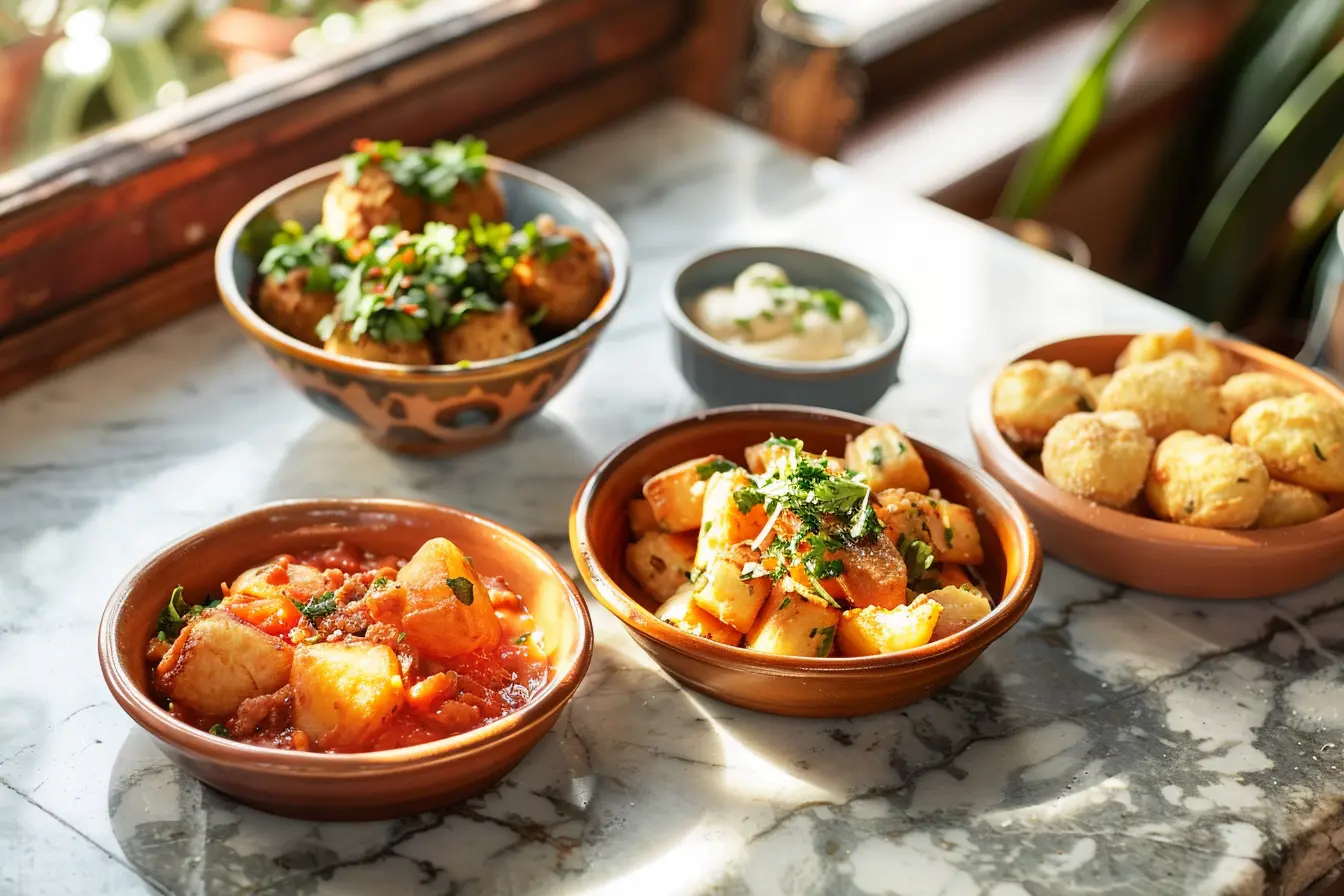
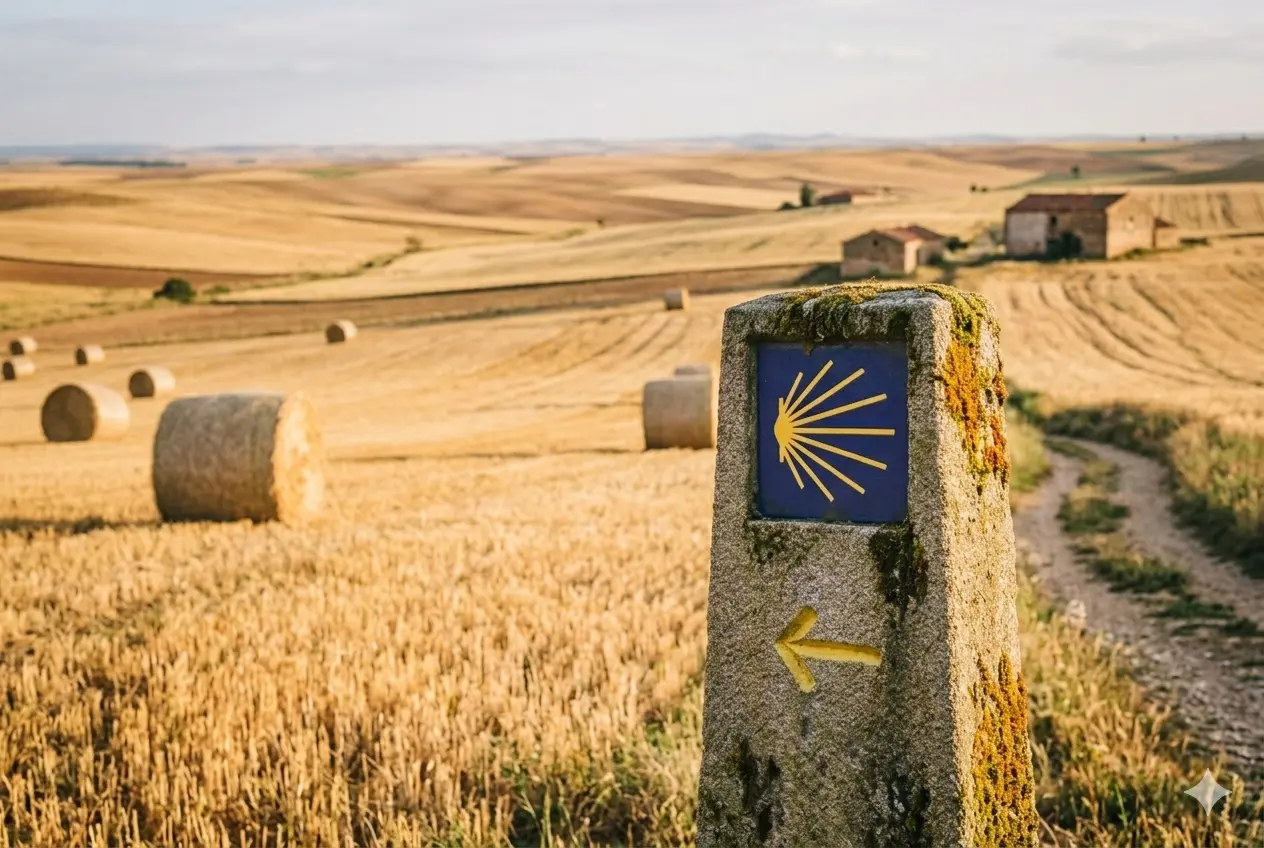
🉈 La Sagrada Família, Barcelona — tap to see the full picture🍲 Tapas bar counter — tap to understand the shared fryer risk🦅 The Camino Meseta — tap to plan your route safely
Allergen Risk
Allergen Prevalence Index
This index scores two dimensions: supply prevalence (how embedded an allergen is in the cuisine) and hidden risk (how likely it is to appear without disclosure). Spain’s defining editorial fact: lupin flour (harina de lupino) scores 9/10 on hidden risk not because it is structurally dominant, but because it is entirely unknown to most non-EU travelers — an EU-mandatory allergen absent from the allergy frameworks of the US, Canada, and Australia, with clinically significant peanut cross-reactivity. The EU FIC regulatory framework is Spain’s strongest protection. The shared fryer is Spain’s most consequential structural risk.5,6
Filter by your allergen to highlight relevant rows
Filter by allergen:
Allergen
Supply Prevalence
Hidden Risk
Cross-Contact
Restaurant Risk
Lupin / lupinoHarina de lupino in churros, croquetas, bread — invisible to non-EU travelers, peanut cross-reactivity 30–40%
6
9!
7
8!
⚠ Peanut cross-reactivity alert:Lupino (lupin flour) cross-reacts with peanut allergy in 30–40% of peanut-allergic individuals. It is an EU-mandatory allergen unknown to most non-EU travelers. It appears in churros, croqueta breading, commercial bread, and fried batters. Your card must name lupino and harina de lupino explicitly — asking only about cacahuetes (peanut) is not sufficient.
Shellfish / mariscosGambas, cigalas, percebes, caldo de marisco in rice dishes — shared fryer cross-contact
9
8!
9!
9!
⚠ Shared fryer alert: A fryer that cooked calamares and gambas earlier carries shellfish protein in the oil for every item that follows — including patatas bravas and churros. Ask at every tapas bar: ‘¿Se fríe en el mismo aceite que el marisco?’
Fish / pescadoBoquerones, anchoas en aceite on pintxos and tapas — bacalao in Basque and Castilian cuisine
8
7!
8!
8
Anchoas / boquerones distinction:Anchoas en aceite (oil-packed, dark, umami) top pintxos, salads, and pan con tomate. Boquerones en vinagre (white, vinegar-cured) are served as a standalone tapa. Both are ubiquitous. Your card must name both terms.
Wheat / trigoPan arrives automatically, rebozados and croquetas are wheat-core, bechamel in croqueta filling
10
8
8
9
Egg / huevoTortilla española is entirely egg — most ubiquitous tapa in Spain. Alioli, mayonesa, rebozado egg wash
9
8!
7
8
Tortilla española name trap: Travelers from Latin America and North America associate ‘tortilla’ with a Mexican flatbread. Tortilla española is a thick potato and egg omelette — entirely egg-based, served cold at every bar counter in Spain. For egg allergy: inaccessible and must be named explicitly on your card.
Tree Nuts / frutos de cáscaraPicada (Catalan almond/hazelnut thickener), romesco sauce, turón, mazapán, bar snack bowls
7
8!
6
7
Bar snack bowl cross-contact: Spanish bar snack bowls routinely combine almendras, cacahuetes, and altramuz (lupin beans) in the same bowl. Decline bar snacks unless individually packaged. Romesco sauce (almonds + hazelnuts) is served as a dipping sauce without declaring its nut composition.
Peanut / cacahueteLow structural presence — primary risk is lupin cross-reactivity and ‘frutos secos’ vocabulary trap
4
6
4
4
'Frutos secos' vocabulary trap: Spanish waitstaff frequently use frutos secos as a catch-all covering both tree nuts and peanuts. Always ask explicitly: ‘¿Contiene cacahuetes o frutos de cáscara?’ — specifying both categories.
Sesame / sésamoEU-mandatory — on bread rolls and burger buns, in Middle Eastern-influenced restaurants
5
5
4
5
Sulfites / sulfitosPervasive in Spanish wine and cured meats (chorizo, jamón serrano, embutidos) — EU FIC declaration above 10 ppm
8
6
4
7
Allium / ajo y cebollaSofrito is the structural flavor base of paella, fideuà, and virtually every Spanish braise
9
8!
5
8
⚠ Sofrito is structural:Sofrito — slow-cooked tomato, garlic, onion and olive oil — is the foundational flavor base of paella, fideuà, and virtually every Spanish braise. For allium-allergic travelers, sofrito cannot be removed. Advance communication with the kitchen is the only mitigation path.
Cuisine
Dish Allergen Map
Spanish dishes split along the STRUCTURAL vs INCIDENTAL axis. The critical nuance: Spain’s most consequential hidden allergens appear in dishes that look structurally simple. The shared fryer and shared-surface risk is where Spain’s allergen story lives — not in complex sauces. BROTH WARNING: Many rice dishes use caldo de marisco (shellfish stock) as their cooking liquid — always ask about the stock base before ordering. STRUCTURAL allergens cannot be removed; INCIDENTAL allergens are present through cross-contact, garnish, or optional components.
Safest options: Jamón ibérico de bellota (no wheat, egg, dairy, shellfish, fish, lupin), gazpacho sin pan (confirm bread-free), plain grilled fish a la plancha (no sauce), fresh fruit. Ask about dedicated fryer before ordering anything fried.
STRUCTURAL ×3 — Bechamel interior (wheat + butter + milk). Breadcrumb shell. Egg wash binder. INCIDENTAL — harina de lupino may extend the flour in the bechamel or breadcrumbs. Cannot be assumed absent without direct confirmation. Ask: ¿Lleva harina de lupino?
● HIGH
Paella ValencianaArroz with chicken, rabbit, beans
STRUCTURAL (sofrito) — Sofrito (garlic, onion, tomato, olive oil) is the flavor base cooked before rice is added. INCIDENTAL — the caldo may be caldo de marisco. Always confirm: ¿El caldo lleva marisco?
STRUCTURAL ×2 — Gambas are the dish. Garlic (ajo) is the defining flavor — the dish is named for it. No modification path for shellfish or allium allergy.
● HIGH
Tortilla EspañolaPotato omelette — ubiquitous on every bar counter
EGG — STRUCTURALALLIUM (ONION) — INCIDENTAL
STRUCTURAL (egg) — Huevo is the entire binding structure — 6–8 eggs per tortilla. Name trap: travelers from the Americas associate ‘tortilla’ with flatbread. This is a thick egg omelette.
STRUCTURAL (wheat/milk) + INCIDENTAL (HIGH PROBABILITY) — Harina de lupino is a documented extender in commercial churro flour mixes. Cannot be seen or tasted. Ask before ordering: ¿La harina de los churros contiene lupino?
● HIGH
Patatas BravasFried potatoes with brava sauce and alioli
Potato is allergen-free. ALL risk is in sauces and fryer. Critical cross-contact: fried in the same oil as calamares and boquerones at virtually every bar. Ask: ¿Se fríen en aceite aparte del marisco? Request sin alioli, sin salsa.
No dairy, egg, nuts, shellfish, or fish. Relatively allergen-safe for most travelers. Bread is a traditional thickener — ask ¿Lleva pan? for wheat allergy. Garlic is structural — no modification path for allium allergy.
Highest counter cross-contact risk in Spain. Bread base may contain lupino. All toppings sit adjacent on the same counter for hours. Arrive at opening (13:00 / 19:00). Ask for pintxos fresh from kitchen: ¿Me podéis hacer un pintxo fresco desde cocina?
● HIGH
Pulpo a la GallegaBoiled octopus, paprika, sea salt, olive oil
MOLLUSC (OCTOPUS) — STRUCTURAL
Pulpo is a cephalopod mollusc — EU FIC lists crustaceans and molluscs as separate mandatory categories. Confirm your specific allergy covers molluscs. One of the simplest preparations in Spain — allergen-safe for non-shellfish travelers.
● HIGH
Jamón IbéricoDry-cured Iberian ham, sliced from leg
SULFITES (CURING) — INCIDENTAL
One of Spain’s most allergen-minimal proteins — no wheat, egg, dairy, shellfish, fish, or lupin. Commercial preparations may contain sulfite curing additives. Artisan bellota jamón from small producers uses only pork and salt. Ask: ¿Este jamón lleva sulfitos o conservantes?
● LOW
Ensaladilla RusaPotato salad with tuna and mayonnaise
STRUCTURAL (egg/fish) — Mayonesa is the binding agent. Atún is standard. INCIDENTAL — gambas added at many bars. Served by communal spoon at room temperature — high cross-contact risk.
● HIGH
Geography
Regional Allergen Risk Map
Spain’s regional allergen variance is driven by genuinely distinct cuisine traditions, not just an infrastructure gradient. Basque Country and Navarra carry the highest-consequence hidden allergens for most travelers: pintxos counter cross-contact and the world’s most celebrated high-risk dining. Catalonia’s picada and romesco create tree nut exposure not present elsewhere. Galicia’s Atlantic shellfish density exceeds any other region. Understanding the regional variation is essential for travelers who move between communities.
Loading map…
Hover a region for allergen detail · click to build your card
🍣 Basque Country & Navarra MODERATE
World gastronomy capital. Pintxos bar counter cross-contact is the highest in Spain — dozens of preparations sharing bread surfaces for hours. Idiazabal (smoked sheep’s milk cheese) structural in Basque cuisine. Kokotxas (bacalao pil-pil) — fish. Anchoas de Cantabria on every bar counter. Best allergen awareness at formal dining level in Spain.
Spain’s most allergen-manageable region. Madrid has strong EU allergen compliance and the country’s best emergency infrastructure. Traditional Castilian cooking (cochinillo, cordero asado, cocido madrileño) is relatively simple in allergen terms. Note: almorta flour in gachas manchegas (Castile-La Mancha) carries legume cross-reactivity for peanut-allergic travelers.
↓ Lower risk · Almorta flour in gachas (La Mancha only) · Manchego dairy · Legumes in cocido
☀ Andalusia MODERATE
Spain’s fried food capital — pescaito frito, churros, buñuelos create the highest lupin flour exposure concentration nationally. Shared fryer cross-contact is most concentrated here. Sherry (Jerez) is the regional wine and default aperitif — high in sulfites. Best gazpacho and salmorejo in Spain on the positive side.
Birthplace of paella — shellfish stock cross-contact in mixed rice dishes is the primary risk. Fideuà (shellfish noodle paella) is structurally shellfish stock-based. Horchata de chufa (tiger nut milk) — chufa is a sedge tuber but cross-reactivity with tree nut allergies is documented; consult your allergist before travel to Valencia. Arròs negre uses squid ink (mollusc).
Highest shellfish density in Spain and one of the highest in all of Europe. Galicia’s mariscuería culture — percebes, vieiras (scallops), nécoras (velvet crab), centollo (spider crab) — means shellfish is present at every price point. Fabada asturiana carries sulfites from cured meats. Cabrales blue cheese (Asturias) — milk allergen. Anchoas de Cantabria (DOP) on every bar counter.
↑ Shellfish (highest in Spain) · Fish (anchoas) · Dairy (Cabrales) · Fabada sulfites
🌋 Canary Islands MODERATE
Distinct food culture with African and Latin American influences. Mojo sauce (garlic, oil, vinegar, cumin) accompanies virtually every meal — allium and sulfite-bearing. Gofio (toasted flour) may be wheat-based or maize-based — confirm before eating. Medical infrastructure limited on El Hierro, La Gomera, and La Palma — air evacuation to Gran Canaria or Tenerife required for severe anaphylaxis.
↑ Allium (mojo sauce) · Gofio (wheat versions) · ⚠ Limited medical access on smaller islands
Where to Eat
Venue Safety Profile
Spain’s venue risk picture is defined not by kitchen awareness — which is relatively high — but by service model. The shared fryer is Spain’s most consequential structural allergen risk. Every item that enters that fryer — regardless of its own ingredients — exits with cross-contact from everything cooked before it. The most important question at any Spanish venue that serves fried food: ‘¿Se fríe en el mismo aceite que el marisco y el pescado?’
Pintxos bar timing rule: Counter cross-contact accumulates throughout the service. Arrive at opening — 13:00 for lunch, 19:00 for evening — when pintxos are freshest and adjacent-item cross-contact is minimal.
Higher Risk
Lower Risk
🍺Traditional bars (bares de tapas)
Pre-prepared dishes, shared fryer, allergen info may exist only in the cook’s head. The bar is where the greatest Spanish food culture lives — it should not be avoided — but it requires the most active allergen management. Under Royal Decreto 126/2015, written allergen information must be available on request.
Ask: ‘¿Tenéis la información de alérgenos por escrito?’ — legally required. Ask about the shared fryer before ordering anything fried.
HIGH
🍽Pintxos bars (Basque Country)
Highest cross-contact risk venue in Spain. All preparations displayed on the bar counter at room temperature for hours. Toppings from adjacent pintxos touch the same bread surfaces. Counter cross-contamination is a structural feature of the service model, not a kitchen failing.
Arrive at opening (13:00 / 19:00). Ask for pintxos fresh from the kitchen: ‘¿Me podéis hacer un pintxo fresco desde cocina, no del mostrador?’
HIGH
🏖Beach bars & chiringuitos
Peak capacity in summer with simplified menus and shared fryers at maximum deployment — fresh fish, calamares, and croquetas all sharing oil throughout the service day. Seasonal staff. Allergen information documents may exist but are rarely presented voluntarily.
Grilled items (a la plancha) carry lower cross-contact risk than fried items. Ask: ‘¿Se limpia la plancha antes de cocinar mi plato?’
HIGH
🍷Formal restaurants & gastrobares
Table-service restaurants with written menus are where Spain’s EU allergen compliance is strongest. Most mid-range and above restaurants maintain a tabla de alérgenos and can produce it on request. Modification requests are typically accommodated. Risk is concentrated at hidden allergens in complex preparations (picada in Catalan stews, caldo de marisco in rice dishes) rather than cross-contact.
Call ahead for serious allergies — not as a preference request, but as a kitchen preparation notice. Standard practice at Spanish restaurants above the bar tier.
MODERATE
📱Delivery apps — Glovo, Uber Eats, Just Eat
Delivery from Spanish restaurants carries the same allergen risk as ordering in-venue, with one additional gap: allergen data in-app is self-reported by partner restaurants and completeness varies. Lupin flour in fried items, shellfish cross-contact in shared fryers, and sofrito in sauces are present whether food travels by delivery or sits on a bar counter. For serious allergies, delivery is lower-risk only if the restaurant is already known to you as safe.
Filter by allergen in-app before ordering. For serious allergies, call the restaurant directly to confirm rather than relying on app-level allergen tags — the app’s data is self-reported by the venue.
MODERATE
⭐Micheín & destination restaurants
Spain’s Micheín-starred restaurants — concentrated in the Basque Country, Catalonia, and Madrid — operate at a level of allergen awareness among the best in the world. Written allergen documentation is standard at this level. Basque Country restaurants treat allergy requests as a kitchen craft challenge, not an inconvenience.
Notify at booking by phone, not via OpenTable notes. A direct conversation with the maître d’ or chef ensures the information reaches the kitchen.
LOWEST
🏛Food markets & mercados
Spain’s covered food markets combine fresh ingredient stalls with prepared food counters. Fresh fish, meat, and produce sections are excellent for self-catering travelers with full EU FIC-compliant labeling. Prepared food counters carry tapas-bar-equivalent allergen risk — same shared fryers, same cross-contact. La Boqueria (Barcelona) is now tourist-oriented; local neighborhood mercados are typically more communicative.
Fresh market produce is among the best safe-food resources in Spain. Pre-cooked counter food carries the same cross-contact risks as tapas bars.
LOWEST
🍼Hotel restaurants & breakfast buffets
International hotel breakfast buffets have improved allergen labeling significantly since 2014. Major chains (Melià, NH, Marriott, Hilton) typically maintain allergen information for buffet items. Risk is concentrated in the pastry and bread section (lupin flour in commercial baked goods) and shared serving utensils on the buffet line.
Ask to see the allergen information for buffet items before selecting. Ask specifically about lupin flour in commercial bread — most hotel chains know their bakery supplier’s composition.
LOWEST
⚠ Farmers market and artisan producer labeling gap: Small-volume producers at Spanish markets (mercadillos), artisan confectionery stalls, and local food festivals may operate below EU FIC labeling thresholds for small producers. Products — turón, mazapán, artisan cookies, regional sweets — frequently contain tree nuts and almonds but may carry reduced labels. Ask specifically about frutos de cáscara before purchasing any artisan confection.
Contextual Intelligence
Tapas Culture & the Shared Counter
Tapas culture is not a subcategory of Spanish dining — it is the dining culture. The bar counter, the pre-made dish, the shared fryer, the reflexive olive and snack bowl — these are the lived architecture of Spanish social eating. For allergic travelers, this service model creates risk that has nothing to do with kitchen incompetence. It is structural: dozens of preparations touching the same surfaces, the same oil, the same utensils, in sequence, all day. Understanding the service model is the prerequisite to managing the risk.
🔥
The fryer doesn’t know what went in before you
At a traditional Spanish bar, the deep fryer is used throughout the service for calamares, croquetas, boquerones, patatas bravas, churros, and everything that needs frying. When calamares go in first, every item that follows carries shellfish protein in the oil. By the time patatas bravas or churros go in, the frying medium is a suspension of every major allergen cooked that day. The fryer question is the most important question you will ask in Spain.
⏰
Arrive at Opening — The Counter Clock
The single most effective allergen management strategy at a tapas bar or pintxos counter is arriving at opening time. Lunch service begins around 13:00–13:30; evening tapas service starts at 19:00–19:30. At opening, freshly made dishes have just been placed on the counter, cross-contact between adjacent preparations is minimal, and the fryer contains clean oil. As the service progresses, counter cross-contact accumulates and the fryer oil builds its allergen load.
Tactical rule: Earlier is always safer. If you cannot arrive at opening, order items that were visibly made fresh, and avoid anything sitting adjacent to fish or shellfish preparations.
🌿
The Lupin Conversation — What to Say
For peanut-allergic travelers arriving from outside the EU, the lupin conversation is the most important exchange you will have in a Spanish kitchen. Most Spanish kitchen staff will understand ‘lupino’ immediately — it is an EU-mandatory allergen with which they are familiar. What they may not have done is volunteer the connection to your peanut allergy. Your card making the cross-reactivity explicit, in Spanish, is the bridge between their knowledge of lupino and your safety.
Card requirement: Must name lupino and harina de lupino explicitly alongside cacahuetes. Asking only about maní (peanut) is not sufficient in Spain.
🇪🇺
Three EU Allergens Non-EU Travelers Don’t Know
Spain operates under the EU 14-allergen mandatory framework. Three of those 14 are not regulated allergens in the United States, Canada, or Australia: lupin (lupino), celery (apio), and mustard (mostaza). Most non-EU travelers build their allergy cards around the allergens regulated at home — which means they arrive in Spain without these three on their radar. Lupin is the most clinically consequential due to peanut cross-reactivity. Celery appears in stocks, stews, and spice mixes. Mustard appears in vinaigrettes, marinades, and condiments.
If your card was built outside the EU: Add lupino, apio, and mostaza before traveling to Spain. These must appear on the card in Spanish, not English.
📋
Ask for the Written Allergen Document
Royal Decreto 126/2015 requires food service establishments to make written allergen information available on request. At restaurants and larger bar chains, this is a printed tabla de alérgenos — a grid showing which dishes contain which of the EU 14 allergens. Asking for it is both your legal right and a useful signal: a venue that has it and produces it promptly has invested in allergen management. The document does not cover cross-contact — only structural allergen content — but it is a reliable starting point.
Ask: ‘¿Podéis mostrarme la información de alérgenos por escrito? Por ley tenéis la obligación de tenerla disponible.’
👢
The Camino de Santiago — Allergen Communication on the Routes
The Camino de Santiago routes create an allergen environment structurally different from standard Spanish dining. The menú del peregrino (pilgrim menu) is a fixed communal meal served at albergue kitchens and rural bars, cooked in a single batch for 30–50 people simultaneously. Allergen substitutions are difficult, ingredient lists rarely documented, and in smaller Meseta villages the albergue kitchen may be the only food option within 15 km. The Galician approach (O Cebreiro into Santiago) passes through the highest shellfish density in Spain.
Camino strategy: (1) Meseta stretch (Burgos to León) — carry your own safe snacks; this is logistics, not overcaution. (2) Albergues run by religious orders are typically more accommodating — email them before your arrival stage. (3) In Santiago de Compostela itself, EU allergen compliance is strong.
Dining Etiquette
Communication & Etiquette for Allergic Travelers
Spanish dining culture is warm, communal, and hospitable — the table is sacred space. Allergen communication is generally received with genuine care. The risk is not attitude; it is the structural limits of bar counter service and the vocabulary gap around EU-specific allergens that non-EU travelers don’t know to ask about. Understanding the service rhythms of Spanish dining — the meal schedule, tipping norms, counter etiquette — makes you a more legible guest, and a more legible guest gets better allergen care.
📋
Show the Card — Then Ask About the Fryer
Your Spanish-language card is the primary safety tool. Show it first — before ordering, before the fryer runs. Then ask the single most important follow-up question at any tapas bar: ‘¿Se fríe esto en el mismo aceite que el marisco?’ These two steps together cover most of Spain’s structural allergen risk. Hand the card to the person who actually cooks, not just the person who takes your order.
👛
Tipping in Spain
Tipping is not obligatory in Spain and service charges are not added to bills. At bars and casual venues, leaving small change or rounding up is common but optional. At sit-down restaurants, 5–10% is appreciated for good service. Allergen relevance: in Spain, leaving a small tip after explaining your allergy and having it handled well is genuinely appreciated — it signals that your request was received as a reasonable one, not a burden. It improves your next interaction at the same venue.
🕐
The Spanish Meal Schedule
Spanish meal times differ significantly from northern Europe and North America. Lunch (la comida, the main meal) runs 14:00–16:00; dinner runs 21:00–23:00. The aperitivo hour is 19:00–21:00. For allergen safety, arriving at the start of each service — 13:00 for lunch, 19:00 for aperitivo — means fresher food and less accumulated cross-contact in fryers and on counters. Kitchens outside major tourist areas may not seat until 13:30 for lunch and 21:00 for dinner.
📅
Advance Notice for Formal Dining
At restaurants above the bar tier, calling ahead 24–48 hours before your reservation and notifying the kitchen allows genuine accommodation: a separate pan, an alternative preparation, ingredient sourcing. Call directly — not via OpenTable notes. Speak to the jefe de sala (floor manager) or chef. Spanish fine dining culture takes this type of advance communication seriously — it is not seen as high-maintenance, it is seen as the correct procedure.
🌿
Name Lupino Explicitly — Every Time
Kitchen staff know lupino as an EU allergen. What they may not know is that you need to ask about it — because non-EU travelers typically don’t. Naming lupino explicitly signals that you understand the Spanish allergen landscape, which in turn typically prompts a more thorough and honest response about whether it is present. Peanut-allergic travelers: your card must say alergia a cacahuetes Y al lupino explicitly. Do not assume one implies the other.
🍺
Majorca, Ibiza & the Balearics
The Balearic Islands have strong EU allergen compliance in tourist-facing restaurants. Mallorcan specialties to know: ensaïmada (pastry, wheat + lard + egg), sobrasada (cured sausage, typically sulfites in commercial versions), pa amb oli (bread rubbed with tomato, may use bread containing lupino). Ibiza and Formentera: see the Island Medical Gap note — Formentera has no hospital. Arrive on Ibiza knowing Hospital Can Misses’ location.
🚫
Decline Bar Snack Bowls & Ibérica Mentions
The complimentary bowl at a Spanish bar counter typically combines almendras, cacahuetes, and altramuz (lupin beans) in the same bowl. Decline politely or ask for individually packaged items. Ibérica restaurants (the UK/US chain serving Spanish food) differ from Spanish bar culture in allergen communication protocols — if dining at Ibérica abroad, note that their allergen documentation follows the country of operation, not Spanish custom.
🇨🇮
Gibraltar
Gibraltar is a British Overseas Territory, not an EU member state — it operates under UK allergen law (Food Information Regulations 2014, 14 mandatory allergens) rather than EU FIC. The key difference: Gibraltar’s allergen framework is post-Brexit UK law. Both frameworks require written disclosure on request, and both include lupin. Spanish is widely spoken; the territory is English-operated. Cross into Spain from Gibraltar and EU FIC applies immediately.
Languages
Languages Spoken
Spanish (Castilian) is the primary and sufficient safety language for all 17 autonomous communities. Catalan, Basque (Euskara), and Galician are co-official regional languages but Spanish is universally understood in professional food service contexts throughout Spain. In high-tourism coastal areas, some kitchen staff may be from non-Spanish-speaking EU countries — English is often the bridge language in these contexts, but Spanish remains more reliable for the allergy conversation.
Card strategy: A single Spanish-language card is correct and sufficient for Spain. The card must name lupino and harina de lupino explicitly. For travelers whose allergy cards were built outside the EU, add apio (celery) and mostaza (mustard) if relevant.
Nationwide — all 17 autonomous communities, all venue types
Spanish is the kitchen language of record in all 17 communities regardless of regional co-official languages — chef briefings, prep notes, and allergen matrices are all written in Spanish. At tourist-corridor restaurants where front-of-house staff speak English, the kitchen may not. The allergy card must be in Spanish: not English, not Catalan, not translated into a third language. Spanish is always the more reliable tool for the fryer question and lupin question.
English is widely spoken front-of-house at tourist-facing restaurants in major cities and coastal resorts, and in virtually all international hotels. Kitchen penetration drops sharply at informal venues, family-run bares, and anywhere outside the main tourist corridors. An English-only card is useful as a secondary tool at international hotels and tourist-district restaurants — it is insufficient as your only card. In high-tourism coastal zones, some kitchen staff are non-Spanish EU nationals (Italian, Portuguese, Romanian) whose English may exceed their Spanish — English can be a useful bridge in these specific environments, but Spanish is the default.
Kitchen staff in Catalonia understand Catalan, but Spanish is universally understood alongside it. A Catalan allergy card provides no safety advantage over a Spanish card — both languages are functionally equivalent for allergen communication in Catalonia.
Kitchen staff in the Basque Country are bilingual in Spanish and Euskara. Spanish allergen communication is fully effective. Key Basque allergen terms for reading labels and menus only: Arrautzak (egg) · Esnea (milk) · Garia (wheat) · Arrain (fish) · Itsaskixa (shellfish) · Intxaurrak (nuts) · Kakahuetea (peanut) · Lupinak (lupin). Your card should remain in Spanish.
Galician kitchen staff are bilingual in Galician and Spanish. A Spanish card reaches Galician kitchen staff with identical effectiveness. Galicians in tourist-facing roles typically have strong Spanish; a Spanish card is the correct and sufficient tool in Galicia.
Romanians are the second-largest immigrant group in Spain (~700,000 registered), with significant presence in hospitality back-of-house, construction canteens, and agricultural processing. In tourist-facing restaurants, Romanian kitchen workers typically speak functional Spanish — a Spanish card reaches this workforce effectively.
Costa del Sol, Almería, Murcia, Madrid outer districts — hospitality, agriculture, food processing
Moroccan workers (~900,000 registered) constitute the largest non-EU immigrant community in Spain, with significant presence in hospitality back-of-house and greenhouse agriculture (Almería). In commercial kitchens, Spanish is the standard operational language — a Spanish card reaches this workforce effectively.
~1.9%
Communication
Essential Safety Phrases
Spanish allergen communication is direct and effective. The language has precise, unambiguous allergen vocabulary, and EU regulatory context means kitchen staff are familiar with the allergen categories. The phrases below prioritize the two highest-value communication tasks in Spain: asking about lupin flour (harina de lupino) as a non-EU traveler, and navigating the shared fryer risk at tapas venues. Show your card first — verbal phrases are supplementary.
Scenario 01
Declaring Your Allergy
ESAll venues
Tengo una alergia grave a [alérgeno]. Si como aunque sea un poco, puede ser muy peligroso para mí. Por favor, asegúrese de que mi comida no contenga nada de [alérgeno].
TEN-go OO-na ah-LAIR-hyah GRA-veh ah [alérgeno]. see KO-mo OWN-keh say ah-OO-na PO-ko, PWEH-deh sair moo-EE peh-lee-GRO-so.
I have a serious allergy to [allergen]. If I eat even a small amount, it could be very dangerous for me. Please make sure my food contains none of [allergen].
Scenario 02
Asking About Lupin — The Critical Question for Non-EU Travelers
ESLupin — critical for peanut allergy
Soy alérgico/a a los cacahuetes y también al lupino. El lupino puede causarme una reacción igual de grave. ¿Este plato o la harina que usáis contiene lupino, harina de lupino, o altramuz?
soy ah-LAIR-hee-ko ah los ka-ka-WEH-tess ee tam-BYEHN al loo-PEE-no. ¿ES-teh PLA-to kon-TYEH-neh loo-PEE-no, ah-REE-na deh loo-PEE-no, oh al-TRA-moos?
I am allergic to peanuts and also to lupin. Lupin can cause me an equally serious reaction. Does this dish or the flour you use contain lupin, lupin flour, or lupini beans?
ESChurros / fried items — lupin check
¿La harina que usan para los churros / las croquetas / los rebozados contiene lupino o harina de lupino?
la ah-REE-na keh OO-san PAH-rah los CHOO-rros kon-TYEH-neh loo-PEE-no oh ah-REE-na deh loo-PEE-no?
Does the flour you use for churros / croquetas / fried items contain lupin or lupin flour?
Scenario 03
Asking About the Shared Fryer
ESAll tapas bars and fried food venues
¿Se fríe esto en el mismo aceite que el marisco, el pescado, o las croquetas?
seh FREE-eh ES-to en el MEES-mo ah-SAY-teh keh el mah-REES-ko, el pes-KA-do, oh las kro-KE-tas?
Is this fried in the same oil as shellfish, fish, or croquetas?
ESRequesting dedicated fryer
¿Tenéis una freidora dedicada sin marisco ni pescado? Tengo alergia grave al marisco.
teh-NEH-ees OO-na fray-ee-DOR-ah deh-dee-KA-da seen mah-REES-ko nee pes-KA-do?
Do you have a dedicated fryer without shellfish or fish? I have a serious allergy to shellfish.
Scenario 04
At the Pintxos Bar Counter
ESBasque pintxos bars
¿Me podéis preparar un pintxo fresco desde la cocina, sin pasar por el mostrador? Tengo alergia a [alérgeno] y me preocupa la contaminación cruzada del mostrador.
meh po-DEH-ees preh-pah-RAR oon PEEN-cho FRES-ko des-DEH la ko-SEE-na, seen pah-SAR por el mos-tra-DOR?
Can you prepare a fresh pintxo from the kitchen, without going through the counter? I have an allergy to [allergen] and I’m concerned about cross-contamination from the counter.
Scenario 05
Requesting the Written Allergen Document
ESAll food service venues
¿Podéis mostrarme la información de alérgenos por escrito? Por ley tenéis la obligación de tenerla disponible.
po-DEH-ees mos-TRAR-meh la een-for-mah-SYON deh ah-LAIR-heh-nos por es-KREE-to? por LEH teh-NEH-ees la ob-lee-ga-SYON.
Can you show me the allergen information in writing? By law you are required to have it available.
Scenario 06
Asking About Paella or Rice Dish Stock
ESPaella / rice dishes
¿El caldo que usan para la paella o el arroz lleva marisco o se ha hecho con marisco? ¿Es caldo de pollo o de verduras?
el KAL-do keh OO-san PAH-rah la pa-EH-ya — YEH-va mah-REES-ko? es KAL-do deh po-YO oh deh vair-DOO-ras?
Does the stock used for the paella or rice contain shellfish, or was it made with shellfish? Is it chicken stock or vegetable stock?
Scenario 07
Emergency — Anaphylaxis Response
ESEmergency
¡Llame al 112! Estoy teniendo una reacción alérgica grave. Necesito mi EpiPen — está en mi bolso. Por favor, inyéctelo en mi muslo ahora.
Call 112! I am having a serious allergic reaction. I need my EpiPen — it’s in my bag. Please inject it into my thigh now.
ESAfter using EpiPen
He usado mi EpiPen. Llame al 112 de todas formas — necesito ir al hospital inmediatamente.
I have used my EpiPen. Call 112 anyway — I need to go to the hospital immediately. EpiPen is a bridge, not a cure.
The Spanish Agency for Food Safety and Nutrition (AESAN — Agencia Española de Seguridad Alimentaria y Nutrición) publishes guidance on EU FIC allergen labeling requirements. aesan.gob.es →
Reading Labels
Spanish Allergen Terms on Food Labels
Spain uses Latin script — Spanish-language labels are readable by English speakers with basic Spanish vocabulary. Under EU FIC, mandatory allergens are bolded in the ingredients list. Three of the EU 14 — lupino, apio, mostaza — do not appear in the allergen frameworks of travelers from the US, Canada, or Australia. The cards below cover all EU 14 allergens in Spanish; three are flagged as absent from non-EU frameworks.
⚠ EU ONLY
LUPINO
LUPIN / LUPIN FLOUR
Also: harina de lupino, altramuz, Lupinus. EU mandatory — unknown outside EU. Cross-reacts with peanut.
GLUTEN
WHEAT / GLUTEN GRAINS
Listed as ‘cereales que contienen gluten’ with specific grains. Look for trigo (wheat), cebada (barley), centeno (rye).
CRUSTÁCEOS
CRUSTACEANS
EU FIC separates crustáceos from moluscos — both are mandatory. Check both if your allergy covers all shellfish.
MOLUSCOS
MOLLUSCS
Includes calamar, pulpo, mejillones, almejas, vieiras. Separate from crustaceans under EU FIC.
HUEVOS
EGGS
Also: ovoproductos, clara de huevo, yema de huevo, lisozima (lysozyme — egg protein preservative in some wines).
PESCADO
FISH
Also: extracto de pescado, gelatina de pescado. Anchoas (anchovies) and atún (tuna) must be declared as pescado.
CACAHUETES
PEANUTS
Also maní on some imported products. Look for aceite de cacahuete (peanut oil). Remember: also check for lupino if peanut-allergic.
LÁCTEOS
DAIRY / MILK
Also: leche, proteína de leche, caseina, suero de leche (whey), lactosa. ‘Sin lactosa’ = lactose-free but milk proteins remain.
FRUTOS DE CÁSCARA
TREE NUTS
EU FIC term. Also listed individually: almendras, avellanas, nueces, anacardos, pistachos, nueces de macadamia, nueces de Brasil.
SOJA
SOY / SOYA
Also: proteína de soja, lecitina de soja (E322 — in chocolate), harina de soja.
⚠ EU ONLY
APIO
CELERY — NOT IN US/CANADA
EU mandatory allergen absent from non-EU frameworks. Also: semillas de apio, extracto de apio. In stocks, stews, spice mixes.
⚠ EU ONLY
MOSTAZA
MUSTARD — NOT IN US/CANADA
EU mandatory allergen absent from non-EU frameworks. Also: semillas de mostaza. In vinaigrettes, marinades, condiments.
Precautionary Allergen Labeling (PAL) — ‘Puede contener trazas de…’ PAL statements are voluntary in Spain under EU FIC and carry no standardized threshold. Mercadona’s Hacendado free-from range and Carrefour Bio use PAL aggressively. Applying a blanket ‘avoid all trazas warnings’ rule will exclude most packaged products in Spanish supermarkets. Apply your allergist’s PAL tolerance guidance as you would at home. PAL does not indicate confirmed contamination.
Pre-Trip Preparation
Allergy-Specific Packing List for Spain
Spain is a low-complexity destination for medical packing — EU membership means EpiPen import is unrestricted, the farmacia network is dense nationwide, and the temperate Mediterranean climate poses no temperature management concerns for epinephrine storage. The primary packing task is documentation: your Spanish-language allergy card should name lupino and harina de lupino explicitly.
💊 Medical Essentials
✓
Two epinephrine auto-injectors (EpiPen or Jext — both available in Spain). Spain’s climate is temperate — no special temperature management required. Do not leave in a hot car or direct summer sunlight.
✓
Antihistamines — Ebastine (sold as Ebastel) is the most commonly stocked non-sedating antihistamine in Spain. Cetirizina and Loratadina also available OTC at any farmacia.
✓
EHIC or GHIC card (EU/UK travelers) — provides access to Spain’s public health system. Non-EU travelers: carry comprehensive travel insurance with emergency medical coverage.
✓
Doctor’s letter confirming allergy and prescription — not legally required for EU entry, but recommended for hospital admission documentation and travel insurance claims.
✓
Travel insurance documentation confirming emergency medical coverage. Confirm the policy covers anaphylaxis treatment and air evacuation from island destinations (Formentera, smaller Canary Islands).
📛 Communication Tools
✓
Prepared Travel Spanish-language allergy card — must explicitly name lupino and harina de lupino for peanut-allergic travelers. Print format recommended; digital as backup.
✓
Photo of EU 14 Spanish allergen label terms saved to your phone — particularly important for lupino, apio (celery), and mostaza (mustard) which non-EU travelers may not recognize on packaged food labels.
✓
Translation app with offline Spanish downloaded — for ad hoc label verification in areas without reliable data service.
✓
Key phrases saved offline: 112 emergency phrase, lupin question (¿Contiene lupino?), fryer question (¿Se fríe en el mismo aceite que el marisco?).
🏝 Island & Remote Travel
✓
Balearic Islands: Formentera has no hospital — nearest emergency hospital is Hospital Can Misses on Ibiza. Confirm ambulance boat or air evacuation plan before spending extended time on Formentera.
✓
Canary Islands: El Hierro, La Gomera, and La Palma have centros de salud (health centers) but not full hospitals — air evacuation to Tenerife or Gran Canaria may be required for severe anaphylaxis.
✓
Camino de Santiago Meseta: Carry your own safe snacks for the Burgos-to-León stretch. Rural albergue kitchens have limited substitution options. Pack a satellite-capable phone if traversing remote sections.
✓
Mercadona, El Corte Inglés supermercado, Carrefour, and Lidl España carry full EU FIC-compliant packaged foods with mandatory allergens bolded. Reliable safe-snack sources nationwide.
Emergency
Emergency Infrastructure
Spain’s emergency medical infrastructure is excellent by global standards. The Sistema Nacional de Salud (SNS) operates well-equipped hospital emergency departments (urgencias) in all major cities. The single emergency number is 112, operates in multiple languages, and dispatches the appropriate regional emergency service. The gap is geographic: smaller Balearic and Canary islands may require air evacuation for severe anaphylaxis.2
112
Ambulance, Fire & Police — Pan-European Emergency Number
112 is the EU-wide emergency number — ambulance, fire, and police. Multilingual operators available; request English immediately if needed. SUMMA 112 covers Madrid; SEM (Sistema d’Emergències Mèdiques) covers Catalonia. All regional emergency services dispatch via 112. Response times in major cities average 8–12 minutes. Rural areas: response can be significantly longer. On smaller Balearic and Canary islands, air evacuation may be required.
Spanish pharmacies (farmacias) open 24 hours on rotating duty (farmacia de guardia) in every city — a duty farmacia is always open, posted on every pharmacy door. For non-emergency allergy situations requiring medical advice, a duty pharmacist can assist or direct you to the nearest urgencias.
Formentera & small island warning: Formentera has no hospital. Nearest full emergency facility is Hospital Can Misses on Ibiza — ambulance boat or air evacuation required. On El Hierro, La Gomera, and La Palma (Canary Islands), health centers are present but air evacuation to Tenerife or Gran Canaria may be required for severe anaphylaxis.
Hospital Universitario La Paz
Paseo de la Castellana, 261, 28046 Madrid
One of Spain’s largest public teaching hospitals. 24/7 urgencias with English-speaking staff. Allergy and immunology department.
Madrid · Academic
Hospital Clínic de Barcelona
Carrer de Villarroel, 170, 08036 Barcelona
Major public teaching hospital. 24/7 urgencias. Leading allergy and immunology department. English-speaking staff in emergency.
Barcelona · Academic
Hospital de la Santa Creu i Sant Pau
Carrer de Sant Quintí, 89, 08026 Barcelona
UNESCO World Heritage functioning public hospital. 24/7 urgencias. English-speaking staff. Central Barcelona location.
Barcelona
Hospital Universitario Virgen del Rocío
Av. Manuel Siurot, s/n, 41013 Sevilla
Largest public hospital in Andalusia. 24/7 urgencias. Primary emergency reference for Seville and western Andalusia.
Seville
Hospital Universitario Donostia
Paseo Dr. Begiristain, 117–119, 20014 San Sebastián
Principal hospital for Gipuzkoa province. 24/7 urgencias. Primary emergency reference for San Sebastián’s pintxos bar district.
San Sebastián
Hospital Can Misses
Ctra. Can Misses, s/n, 07800 Eivissa (Ibiza)
Only hospital on Ibiza. 24/7 urgencias. Reference hospital for Formentera evacuations — the only full emergency facility serving both islands.
Ibiza · Formentera reference
Preparation
Bringing Your EpiPen to Spain
Epinephrine auto-injectors are unrestricted in Spain — as an EU member state, Spain has no import controls for personal medications. The Spanish market brand is Jext (same mechanism as EpiPen, different auto-injector form factor). No import permit, doctor’s letter, or customs declaration is legally required — carry in original packaging with your name on the prescription label as best practice.3
✓ Unrestricted — EU member state: Epinephrine auto-injectors may be brought into Spain for personal use without any restriction, documentation requirement, or quantity limit.
01
Pack auto-injectors in carry-on luggage in original pharmacy packaging with your name on the prescription label. Airport security throughout the EU Schengen zone does not require a letter for personal medications, but original packaging prevents any questions.
02
Carry a doctor’s letter confirming your allergy diagnosis and prescription — not legally required for Spain but valuable for hospital admission documentation, travel insurance claims, and travel through other countries en route.
03
Know the Spanish equivalent — Jext. Jext is the epinephrine auto-injector brand marketed in Spain and much of Europe. Mechanism is identical to EpiPen: spring-loaded, delivering 0.3mg (adult) or 0.15mg (junior) epinephrine intramuscularly. The cap colour and needle-end orientation differ from EpiPen — familiarise yourself with both if you may need to obtain Jext locally.
04
Farmacia network — antihistamines and replacement supplies. Spain’s farmacia network (green illuminated cross) is one of the densest in Europe. Ebastine (sold as Ebastel) is the most commonly stocked non-sedating antihistamine in Spain — equivalent to cetirizine or loratadine, but a brand travelers from the US or Australia will not recognize. For epinephrine replacement, you will need a Spanish prescription — obtainable at any urgencias or private clinic. English-speaking pharmacists are common in major tourist areas.
Confidence: HIGH. EU member state unrestricted personal medication import confirmed. Jext authorization confirmed via AEMPS. Verify at aemps.gob.es before travel if significant time has elapsed since publication.3
Regulation
Allergen Labeling Law
Spain applies EU FIC Regulation 1169/2011 — among the world’s strongest mandatory allergen labeling frameworks. The 14 EU mandatory allergens must appear in bold in the ingredients list of all prepackaged foods. For food service, Royal Decreto 126/2015 requires written allergen information to be available on request. The gap between law and reality is concentrated at informal venues: traditional bares may provide verbal responses rather than a formal written matrix.1
Legislation: EU FIC Regulation (EU) No 1169/2011, transposed in Spain by Real Decreto 126/2015 (in force 2014). Governing body: Agencia Española de Seguridad Alimentaria y Nutrición (AESAN). Mandates declaration of 14 priority allergens on all prepackaged food — bolded in the ingredients list — and written allergen information on request in food service. Restaurants are legally required to provide a written allergen matrix on request.
Spain vs. North America: Spain’s EU 14 allergens include lupin, celery, and mustard — none of which are mandatory allergens in the US FALCPA/FASTER Act or Canada’s SFCR. Travelers with lupin allergy who are accustomed to North American labeling must ask specifically about lupino in flours, pastries, and fried items.
How to read a Spanish label: Scan the ingredient list for any word in bold — under EU FIC, every mandatory allergen must be visually distinguished. Common bold terms to know: LUPINO, GLUTEN, CRUSTÁCEOS, HUEVOS, LÁCTEOS, FRUTOS DE CÁSCARA, CACAHUETES.
14 Mandatory Allergens (EU FIC 1169/2011)
Cereals/Gluten · Crustaceans · Molluscs · Eggs · Fish · Peanuts · Tree Nuts · Soy · Milk/Dairy · Sesame · Sulfites · Lupin · Celery · Mustard. Bold in packaged food ingredients. Written on request in food service nationwide. Restaurants are legally obligated to provide allergen information in writing on request.
Restaurant Mandate
Spain has a legal requirement for restaurants to provide written allergen information on request (Real Decreto 126/2015). This is one of the strongest restaurant allergen disclosure obligations in the world. The gap is compliance: informal bares and chiringuitos have variable adherence. Ask: ‘¿Podéis mostrarme la información de alérgenos por escrito?’
Three EU Allergens Non-EU Travelers Don’t Know
Lupin (lupino): Flour extender used in Spanish baking and frying. Not regulated in US/Canada. Cross-reacts with peanut in 30–40% of peanut-allergic individuals. Must be added to your card.
Celery (apio): In stocks, stews, spice mixes. Not regulated in US/Canada.
Mustard (mostaza): In vinaigrettes, marinades, condiments. Not regulated in US (Canada mandates it).
Regional Product Intelligence
Turón (nougat) from Xixona and Alicante (DOP) and Mazapán de Toledo (PGI) are Spain’s most celebrated confectionery — both are almond-based with genuinely high nut protein concentrations from artisan producers. Widely available in tourist areas. Tree nut-allergic travelers: clearly labeled under EU FIC but concentrations are significantly higher than typical northern European marzipan equivalents.
Non-EU travelers — add these three to your card: Lupin (lupino), celery (apio), and mustard (mostaza) are EU-mandatory allergens not tracked by most non-EU allergy frameworks. A card built for the US, Canada, or Australia may be missing these. Add them in Spanish before traveling to Spain.
Precautionary Allergen Labeling (PAL): ‘Puede contener trazas de…’ statements are voluntary in Spain. Spanish supermarket free-from ranges use PAL aggressively — a blanket avoidance rule will exclude most packaged products. Apply your allergist’s tolerance guidance as you would at home.
Community Reports
Traveler Voices
Real experiences from food-allergic travelers navigating Spain’s tapas culture, pintxos bars, and EU allergen labeling landscape.
I have a peanut allergy and I’d never heard of lupin before Spain. My allergist mentioned it before I left and I added lupino to my card. In Seville, the first bar I tried told me the churro flour contained it. That conversation wouldn’t have happened if I hadn’t known to ask. Spain was my most eye-opening trip — the allergy system actually works, but only if you know the right vocabulary.
Emma T. — Peanut allergy · Seville, Granada · 2025
Shellfish allergy in San Sebastián is genuinely challenging — not because of attitudes, but because everything in a pintxos bar has touched everything else. I arrived at opening every day and asked for fresh pintxos from the kitchen. The staff at three bars went out of their way to make it work. The Micheín-starred restaurant I booked with advance notice prepared an entire separate menu for me. Spain rewards preparation.
James O. — Shellfish allergy · San Sebastián · 2025
Tree nut allergy in Barcelona — the picada in Catalan stews is the hidden one. I ordered a guisat that looked completely safe and it had almond paste thickening the sauce. The restaurant was mortified and couldn’t have been more apologetic. They had an allergen matrix but picada wasn’t on my radar as a nut vehicle. Now it’s the first thing I ask about at any Catalan restaurant.
Priya M. — Tree nut allergy · Barcelona · 2024
Traveled to Spain with food allergies?
Your experience helps the next traveler plan safely.
European Parliament and Council. “Regulation (EU) No 1169/2011 on the provision of food information to consumers (EU FIC). Transposed in Spain by Real Decreto 126/2015.” 2011. eur-lex.europa.eu — Primary regulatory source for EU 14 allergen labeling. HIGH confidence.
2
Ministerio del Interior — Sistema de Emergencias 112. “Spain’s pan-European emergency number.” 2024. 112.es — Government authority for Spain’s 112 emergency service. Multilingual dispatch confirmed. HIGH confidence.
3
Agencia Española de Medicamentos y Productos Sanitarios (AEMPS). “Jext epinefrina auto-inyectable — autorización.” 2024. aemps.gob.es — Confirms Jext is authorized in Spain. Personal medication import unrestricted as EU member state. HIGH confidence.
4
Sociedad Española de Alergología e Inmunología Clínica (SEAIC). “Alergológica 2015 — Factores epidemiológicos, clínicos y socioeconómicos de las enfermedades alérgicas en España.” 2015. seaic.org — Comprehensive Spanish clinical allergy epidemiology. Shellfish as leading cause of food-induced anaphylaxis in Spanish adults. HIGH confidence.
5
European Academy of Allergy and Clinical Immunology (EAACI). “Lupin Allergy Position Paper.” 2022. eaaci.org — Practitioner guidance on lupin allergy and peanut cross-reactivity (30–40%). HIGH confidence.
6
González-Mancebo E, et al. “Lupin allergy in patients with legume allergy: cross-reactivity with peanut and other legumes.” J Investig Allergol Clin Immunol, 2017. — Spanish clinical study on lupin-peanut cross-reactivity prevalence. HIGH confidence.
7
Agencia Española de Seguridad Alimentaria y Nutrición (AESAN). “Uso de harina de lupino como ingrediente alimentario en España — guía para operadores.” 2023. aesan.gob.es — AESAN guidance on lupin flour use in Spanish food manufacturing. Confirms lupin flour in churro and croqueta preparations. MEDIUM confidence.
8
Ministerio de Sanidad — Sistema Nacional de Salud. “Catálogo Nacional de Hospitales — Red hospitalaria pública española.” 2025. sanidad.gob.es — Government source for Spain’s public hospital network. HIGH confidence.
9
Instituto Nacional de Estadística (INE). “Encuesta de Población Activa — Extranjeros en España por sector de actividad.” 2024. ine.es — Population data supporting languages section immigrant workforce demographics. MEDIUM confidence.
Data confidence ratings
▼
Data point
Confidence
Notes
Emergency number (112)
● HIGH
Pan-EU standard — verify at 112.es before publish
EU FIC mandatory allergens (14)
● HIGH
Regulation 1169/2011, Real Decreto 126/2015 — verify no Spain-specific supplements
Restaurant written disclosure requirement
● HIGH
Real Decreto 126/2015 confirmed — compliance varies by venue type
EpiPen / Jext import (unrestricted)
● HIGH
EU member state — no import controls for personal medications
Lupin-peanut cross-reactivity (30–40%)
● HIGH
EAACI position paper + González-Mancebo et al. 2017
Hospital addresses (all six)
● MEDIUM
Require verification against current hospital directories before publish
Difficulty score (4/10)
● MEDIUM
Editorial review required before publish
Lupin flour in churro mixes (documented)
● MEDIUM
AESAN 2023 guidance — specific brand confirmation requires field research
Language percentage data
● MEDIUM
INE 2024 data — estimates, not census count for kitchen workers specifically
Traveler voice quotes
● MEDIUM
Representative individual experiences; may not generalise
This page is a living document. Labeling laws change, hospitals change ownership, and allergy awareness in kitchens improves over time. Last verified April 2026.
Gibraltar note: Gibraltar is a British Overseas Territory, not an EU member. It operates under UK allergen law (Food Information Regulations 2014, 14 mandatory allergens including lupin). Both EU and UK frameworks require written disclosure on request. Cross into Spain from Gibraltar and EU FIC applies immediately. Spanish is widely spoken; allergen communication in English is reliable at Gibraltar venues.
You’ve done the research. Now build your Spain allergy card.
La sobremesa is waiting. Go prepared.
Generate your Spain food allergy card in Spanish — naming lupino (harina de lupino), the EU 14 allergens, and your specific allergens. Your Spain allergy translation card: in the vocabulary that closes the gap between EU law and non-EU allergy awareness. Print it, save it, hand it to the kitchen.